-
by sayum
01 October 2026 8:21 AM







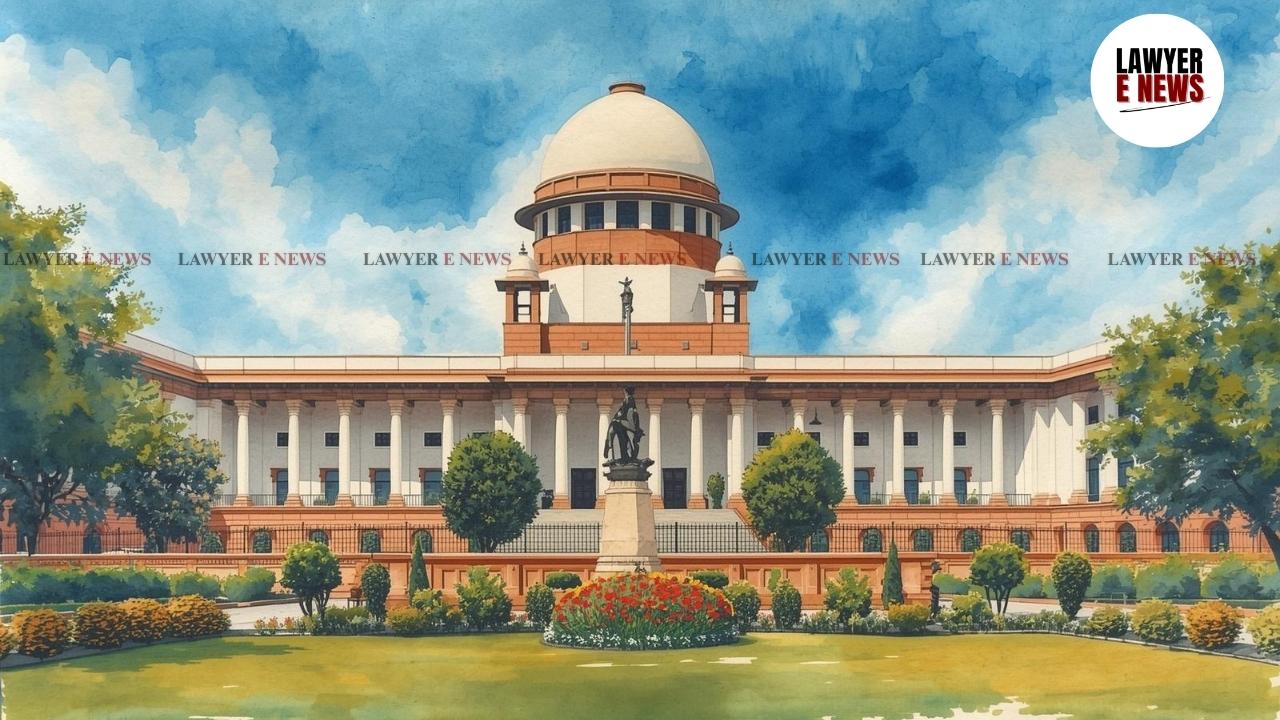
"We are of the firm opinion that mere admission of a document in evidence does not amount to its proof. In other words, mere marking of exhibit on a document does not dispense with its proof, which is required to be done in accordance with law." Supreme Court of India, in a significant, held that the mere marking of a document as an exhibit does not equate to the proof of its contents, emphasizing that the burden of proving the truth of the document's contents remains on the party relying upon it.
A bench comprising Justice Sanjay Karol and Justice Nongmeikapam Kotiswar Singh observed that courts should avoid stalling trials by deciding on the admissibility of every document at the evidence-collecting stage.
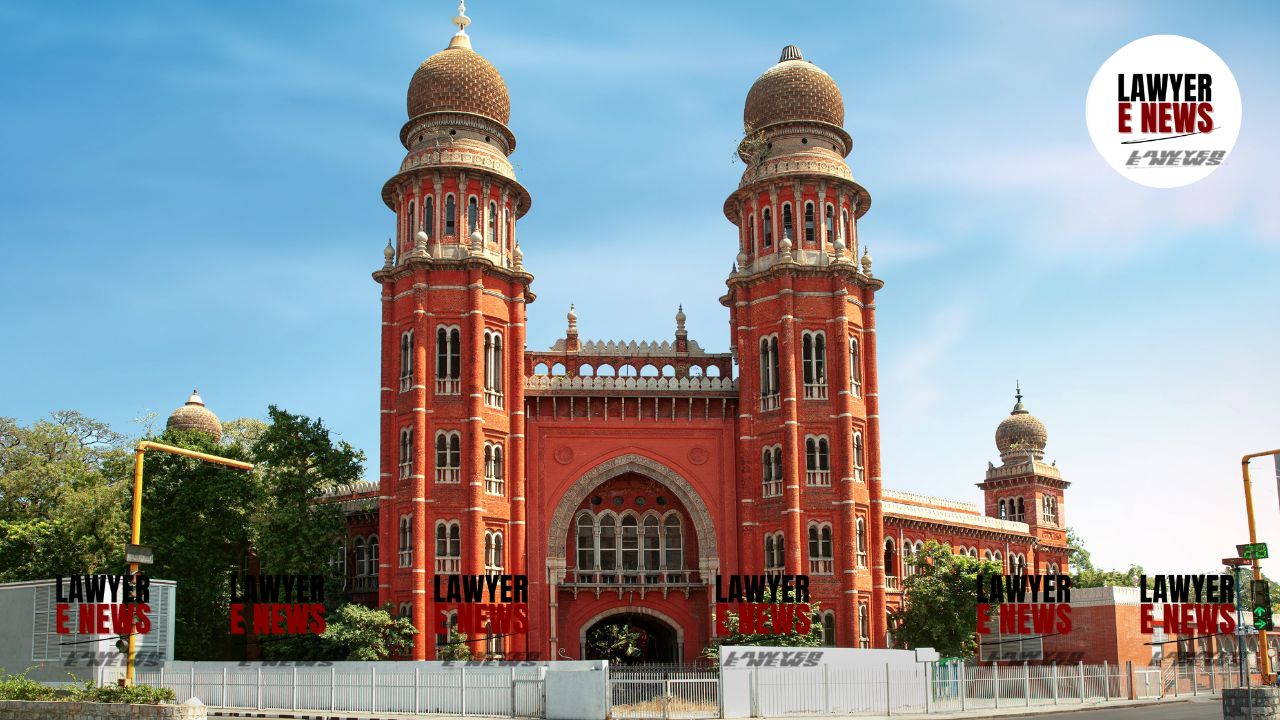
The appellant had moved the Madras High Court to eschew a proof affidavit and several documents filed by the respondent in a testamentary suit pending since 2021. The appellant argued that the documents and certain averments were irrelevant and inadmissible, urging the court to reject them at the threshold. Both the Single Judge and the Division Bench of the Madras High Court dismissed these pleas, noting that the trial should proceed and that the objections could be addressed during the final adjudication.
The primary question before the Supreme Court was whether the High Court correctly refused to exercise its powers under Order XIII Rule 3 of the CPC to reject documents at the initial stage. The Court was also tasked with determining the threshold for admitting evidence in testamentary proceedings and the legal effect of marking documents as exhibits.
Court Rejects Piecemeal Adjudication
The bench reiterated the principles laid down in the landmark case of Bipin Shantilal Panchal v. State of Gujarat, cautioning against the "archaic practice" of stopping trial proceedings to decide on the admissibility of every piece of evidence. The Court observed that such a practice often results in unnecessary delays and procedural bottlenecks.
"Trial Courts Should Tentatively Mark Evidence"
The Supreme Court noted that when an objection is raised regarding the admissibility of a document, the court should simply make a note of such objection and mark the document tentatively as an exhibit. This allows the trial to continue while preserving the right of the objecting party to challenge the admissibility during the final judgment.
"No Illegality In Tentative Exhibits"
The Court clarified that except for objections relating to the deficiency of stamp duty—which must be decided upfront—all other objections to admissibility should be decided only at the final stage of the suit. This approach ensures that the appellate or revisional courts are not deprived of evidence that might have been erroneously excluded by the trial court.
"Mere Filing Is Not Proof"
Refining the legal position on evidence, the bench underscored that admission of a document does not dispense with the requirement of proving its truth. Citing the Division Bench ruling in LIC v. Ram Pal Singh Bisen, the Court emphasized that documents must be proved by primary or secondary evidence as mandated by the Indian Evidence Act.
"Truth Of Contents Must Be Established"
The Court stated that at most, the admission of a document may amount to an admission of its existence, but it certainly does not establish the truth of its contents. A document, even if marked, cannot be relied upon unless its contents are proven in accordance with the law of evidence, as mere filing does not substitute for substantive proof.
The Supreme Court ultimately upheld the Madras High Court's order, dismissing the appeal and vacating the stay on the ongoing testamentary proceedings. The Court made it clear that the trial court must proceed with the suit uninfluenced by its observations, ensuring that the evidentiary value of the marked documents is assessed only upon final hearing.
Date of Decision: 07 August 2026