-
by sayum
26 August 2026 4:42 AM







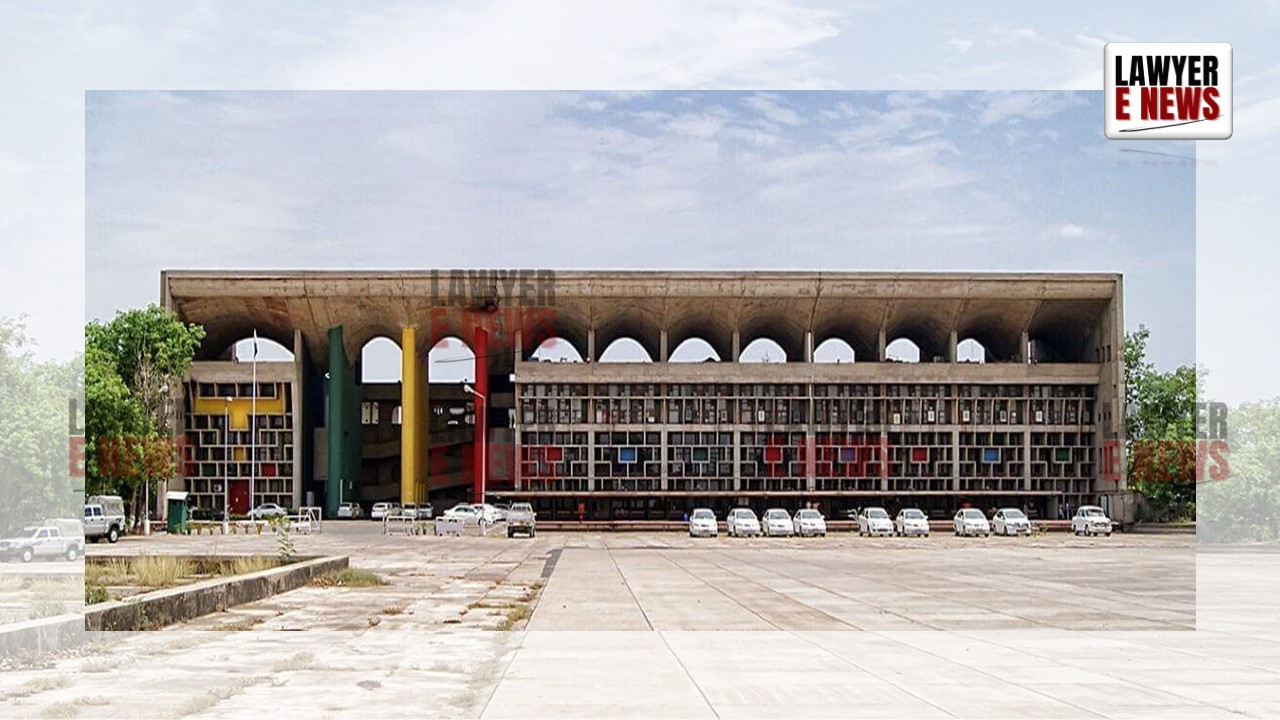
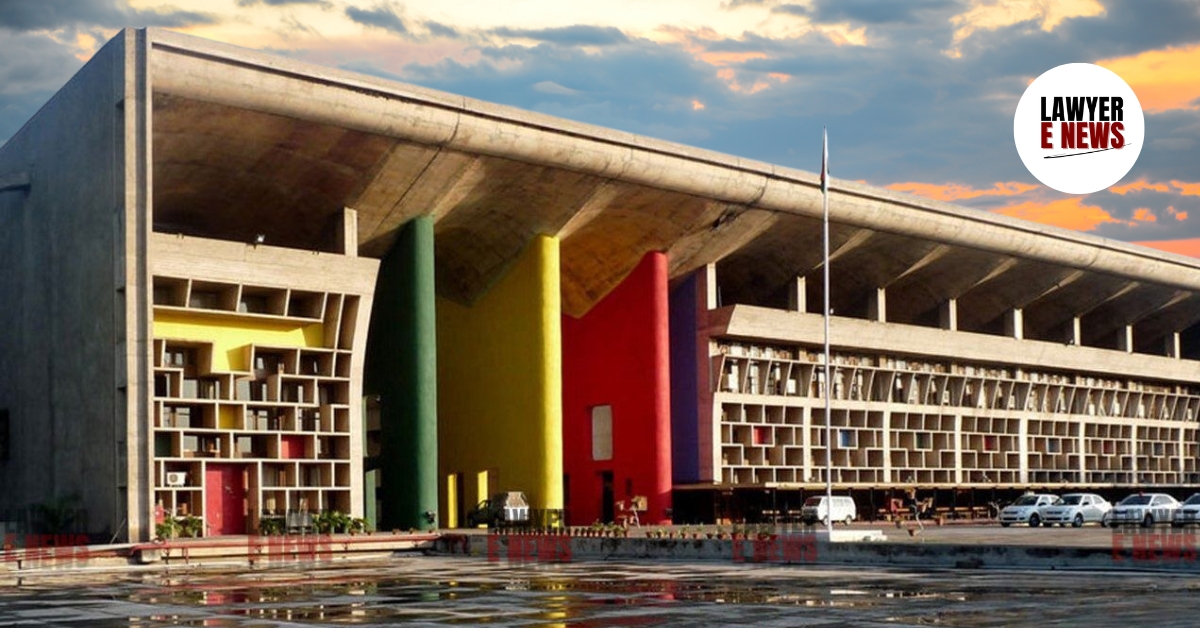
In a strongly worded decision Punjab and Haryana High Court dismissed a petition seeking condonation of 212 days’ delay in filing a criminal revision against an order granting probation to accused persons. Justice Sumeet Goel held that vague, unsubstantiated excuses, especially those lacking bona fide or documentary support, cannot be grounds for delay condonation under Section 5 of the Limitation Act, 1963.
Emphasizing the principle that “merits of the case are not a ground for condoning delay”, the Court dismissed both the application for condonation as well as the revision petition in Jasbir Kaur @ Kulwant Kaur v. State of Punjab & Others, citing absence of “any genuine, exceptional or unavoidable circumstance” to justify the delay.
“Delay Is Both Inordinate And Inexplicable”: Court Finds No Sufficient Cause Under Section 5 Limitation Act
In this matter arising from CRM-2774-2023 in CRR-199-2023 (O&M), the petitioner Jasbir Kaur sought to challenge a probation order passed on 29.09.2021 in favour of six private respondents by the Additional Sessions Judge, Sangrur. The revision petition was filed 212 days late, with the petitioner attributing the delay to mistaken legal advice about the appropriate remedy under Section 482 CrPC. However, the High Court found this explanation to be unsatisfactory, vague, and bereft of supporting material.
The Court reaffirmed the limits of judicial discretion in delay condonation, holding that a “liberal” approach under Section 5 of the Limitation Act does not permit condonation where negligence and casualness are evident.
The petitioner alleged that the delay occurred due to a “bona fide mistake” that the impugned order had to be challenged under Section 482 of the Code of Criminal Procedure, which she believed carried no limitation. The initial revision was returned by the Registry with objections in March 2022, and the revised filing was only undertaken many months later.
Counsel for the petitioner argued that delay should be condoned in the interest of substantial justice, contending that the case had merit and no prejudice would be caused to the respondents.
The State, represented by Ms. Aiman J. Chisthi, opposed the application, asserting that no sufficient cause had been shown and that the delay was unexplained and unjustified.
The case revolved around the core issue:
Whether the petitioner had shown “sufficient cause” for condonation of a 212-day delay under Section 5 of the Limitation Act, 1963, read with Sections 397 and 401 CrPC.
Justice Goel reviewed both the legal standard and recent precedents and decisively rejected the petitioner’s claim:
“No cause much less sufficient cause, as required in law, has been shown to justify or condone the significant delay of 212 days... The delay is both inordinate and inexplicable.”
The Court emphasized that the plea was “bereft of any specific details” that might reflect diligence or bona fides on part of the petitioner.
The judgment drew upon and quoted at length the guiding principles laid down in Deepak v. Noori, CRR(F)-1844-2023, decided on 29.02.2024, and Pathapati Subba Reddy v. Special Deputy Collector, (2024 INSC 286), where the following points were highlighted:
“A liberal approach… cannot be stretched to mean that a prayer ought to be granted sans reasonable explanation.”
“Merits of the case are not required to be considered in condoning the delay.”
The Court reiterated that delay condonation requires “cogent, credible and lucid reasons”, and mere assertion of “good case on merits” cannot override statutory timelines.
Importantly, the judgment clarifies that even the return of the petition by the Registry did not explain the long gap between March 2022 and final filing.
“The applicant-petitioner has failed to provide any concrete explanation or document to demonstrate his genuine efforts… Merely attributing the delay to unforeseen circumstances, without any supporting details… does not meet the legal threshold.”
The Court viewed the delay as indicative of a deliberate attempt to embroil the respondents in prolonged litigation, stating clearly that the law “does not favour casualness or tactical delay.”
Since the delay application was rejected, the main criminal revision petition challenging the grant of probation also stood dismissed automatically, without being heard on merits. The Court concluded:
“The explanation for the delay… is wholly unsatisfactory… The application seeking condonation of delay of 212 days merits dismissal.”
All other pending applications were disposed of accordingly.
This judgment marks a strict reaffirmation of the principle that procedural discipline is a cornerstone of the justice system. The Punjab and Haryana High Court has made it unequivocally clear that delay condonation is not a matter of course, and vague claims about legal advice or case merit cannot substitute for a specific, timely and credible explanation. The Court refused to permit the “liberal” approach to be misused as a shield for negligence, reinforcing that “substantial justice” must walk hand-in-hand with procedural rigor.
Date of Decision: 4 November 2025