-
by sayum
28 August 2026 8:44 AM







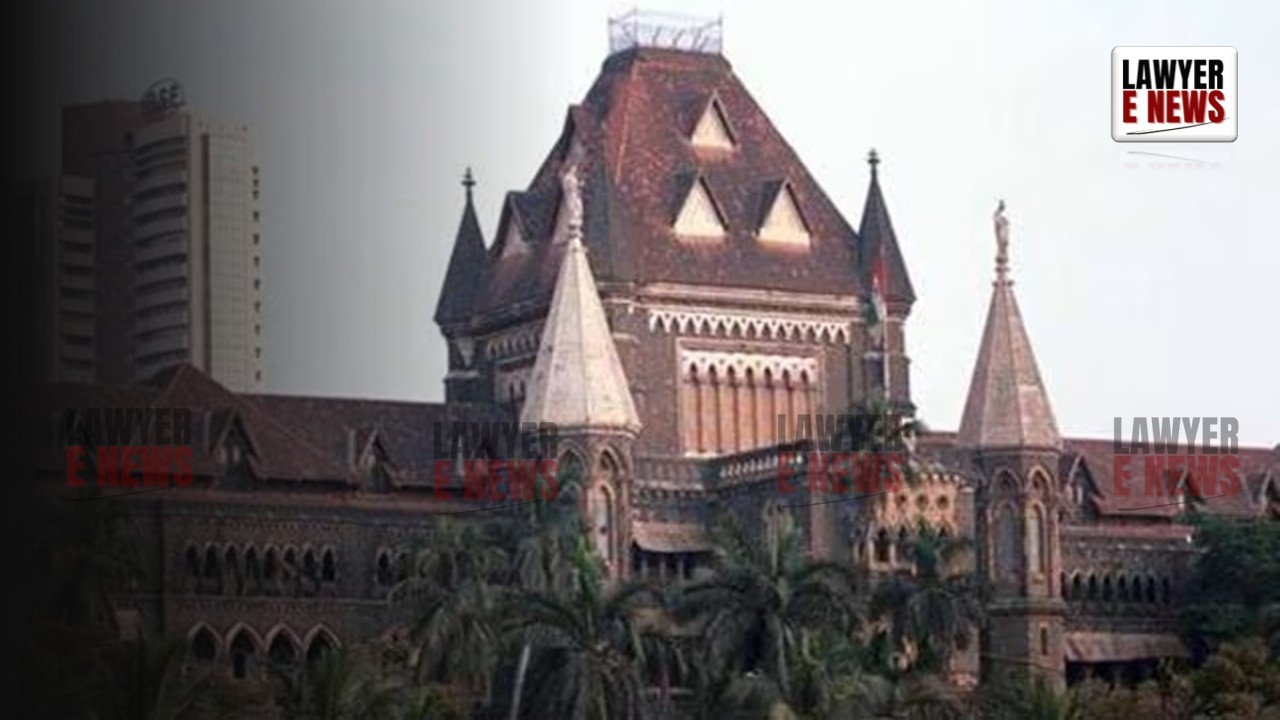
Petitioner Challenges 38-Year-Old Land Acquisition Without Justification—Bombay High Court, in a judgment delivered on March 17, 2025, dismissed Writ Petition No. 6027 of 2010, rejecting a challenge to the acquisition of land in Akurdi, Pune, by the Maharashtra Industrial Development Corporation (MIDC) in 1971. The Court ruled that a land acquisition completed nearly four decades ago cannot be reopened through a writ petition, especially when the original owner accepted the acquisition and never challenged it in his lifetime.
Upholding the validity of the Maharashtra Industrial Development Act, 1961 (MID Act) and the procedures followed therein, the Court stated, "Judicial review under Article 226 is a discretionary and equitable remedy. It cannot be used to unsettle land acquisitions completed decades ago, especially when the petitioner offers no reasonable explanation for the delay."
"Land Acquired in 1971, Possession Taken in 1972—Petitioner Files Writ in 2010"
The case concerned Survey No. 137/2 in Akurdi, Pune, originally owned by Vasantlal Mohanlal Khinvasara, who agreed to its acquisition in a consent order dated December 3, 1968, before the High Court. The land was formally acquired in 1971, and possession was taken on February 11, 1972.
Despite this, in 2010—nearly 38 years later—Abhay V. Khinvasara, the petitioner, approached the Court, claiming that the acquisition was never completed and that he remained in possession of the land. He argued that no compensation was paid, and the land was never physically taken over by the authorities. He further alleged that he only discovered the government’s claim over the land when he saw the official records just before filing the petition.
Rejecting these claims, the Court observed, "There is not a whisper of explanation for such inordinate delay. The original landowner never questioned the acquisition, nor did he or his legal heirs challenge it for decades. Such a plea is nothing but an abuse of the legal process."
"High Court Slams Petitioner for Suppressing Material Facts and Misleading the Court"
The Court found that the petitioner had deliberately suppressed the fact that his father had agreed to the acquisition and even undertook not to challenge it. It observed, "A party that willingly consents to land acquisition before a court cannot, decades later, turn around and claim ignorance of the proceedings."
The judgment further stated, "The petitioner has taken advantage of the passage of time and the non-availability of old records to fabricate a case that the land was never acquired. Courts cannot entertain such deceptive claims."
"Land Acquisition Becomes Final Once Possession Is Taken—Challenge After Decades Is Legally Impermissible"
Analyzing the Maharashtra Industrial Development Act, 1961, the Court ruled that once land is acquired and possession is taken, it vests permanently with the government. Referring to the Supreme Court’s ruling in The Special Land Acquisition Officer, KIADB v. Anasuya Bai (2017) 3 SCC 313, the Court emphasized, "Once land vests with the State after acquisition, the original owner has no right to reclaim it, nor can the acquisition be undone."
The Court also cited M/s. Super Electrical and Engineering v. The Collector, Pune (2017), reaffirming that "mere delay in development or change in land use does not nullify a legally completed acquisition."
"Petition Dismissed with Costs—Judiciary Cannot Be Used to Revive Dead Claims"
Dismissing the petition, the Court ruled, "A land acquisition that attained finality in 1971 cannot be challenged after 38 years on vague and baseless grounds. Entertaining such pleas would set a dangerous precedent, leading to chaos in land governance."
The Court also took serious note of the petitioner’s attempts to mislead authorities and observed, "The petitioner systematically approached different government departments to create confusion over the acquisition, despite clear legal records showing that the land was acquired and possessed by MIDC."
"A Strong Precedent Against Delayed Challenges to Land Acquisition"
This judgment sends a strong message that courts will not entertain challenges to land acquisition decades after their completion. The ruling establishes that:
• Land acquisition, once completed and possession taken, is final and cannot be undone.
• Petitioners who delay challenges for decades without justification will face dismissal.
• Courts will not permit the abuse of the legal system to revive long-settled matters.
With this decision, the Bombay High Court has reaffirmed that judicial review is not meant to reopen closed transactions and that landowners must challenge acquisitions within a reasonable timeframe.
Date of Decision: 17 March 2025