-
by sayum
04 August 2026 9:39 AM







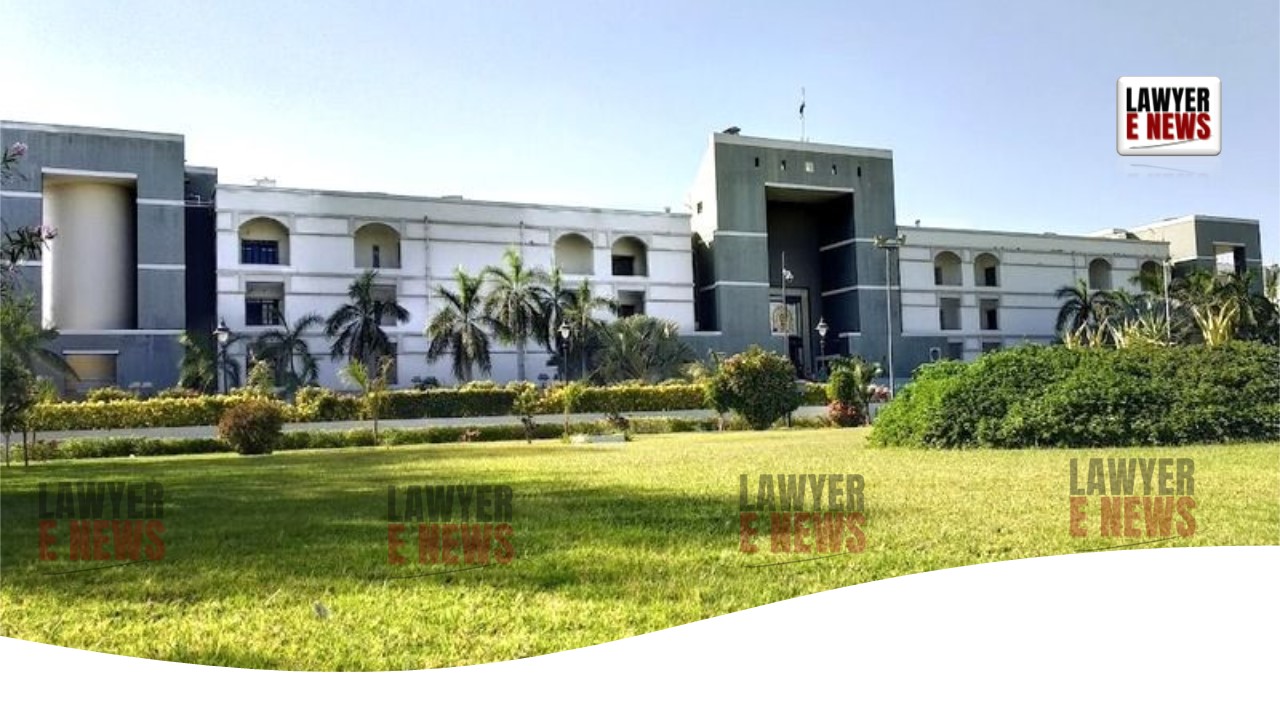
“Police has no power to retain cash when requisition is issued under Section 132A... the cash must be handed over to Income Tax Department for proceedings under the Act” - Gujarat High Court ruled in favour of the Income Tax Department, allowing it to seize ₹35.28 lakhs in unexplained cash recovered during a criminal theft investigation. Justice Divyesh A. Joshi held that once a valid requisition is made under Section 132A(1)(c) of the Income Tax Act, the police must hand over such “muddamal” (seized cash) for further investigation under tax law, rejecting contrary orders of the Magistrate.
The Court quashed orders dated 10.08.2023 and 18.10.2022 passed by the Additional Chief Judicial Magistrate and Principal Senior Civil Judge, Prantij, which had earlier directed the cash to be kept in fixed deposit in the name of the original complainant.
“Requisition Made Under Section 132A Cannot Be Defeated by Criminal Court’s Custody Directions”: Court Cites Settled Precedent
The case arose after police in Sabarkantha investigated a theft case and recovered ₹60.29 lakhs in cash, along with a Swift car and jewellery. Though the original FIR registered only ₹90,000 worth of theft (jewellery), the complainant later reported that ₹1.40 crore in cash was also stolen.
During interrogation by the Income Tax Department, the complainant failed to satisfactorily explain the source of ₹35.28 lakhs. A warrant under Section 132A(1)(c) of the Income Tax Act was issued. However, the local police refused to act on it, citing pendency before the Magistrate.
The High Court held: “Section 132A permits requisition where the officer has reason to believe that any assets represent income not disclosed... the requisitioned assets are to be delivered to the requisitioning officer.”
It further reiterated that: “The Criminal Court has no authority to order handing over of property, i.e., jewellery or cash to persons claiming it... once requisition is made, the Income Tax authority is to retain custody and proceed under the Act.”
“Criminal Courts Cannot Override Tax Authority’s Jurisdiction Under Income Tax Act”: Magistrate’s Orders Quashed
The Court found fault with the Magistrate’s directions to place the money in fixed deposit in the complainant’s name, stating: “There is no mechanism for fixing cash in FD in someone else’s name under the IT Act... requisition is a precondition for initiating proceedings under the Act.”
Quoting from precedent, the Court emphasized: “Currency notes seized by police are to be handed over to the Income Tax Department when requisition is made... any delay may result in substantive loss to the Revenue.”
The High Court cited prior judgments in Vipul Chavda v. State of Gujarat, Uday Sangani v. Vikrant Singh, and Deputy Director of IT v. State of Gujarat to confirm that police cannot retain or return muddamal once requisitioned.
“Better Practice Is Deposit in P.D. Account, Not Fixed Deposit in Complainant’s Name”: Clarifies Execution of Seizure
In modifying the earlier directive, the Court ordered: “The department shall deposit the entire amount of ₹35,28,000/- in the P.D. (Personal Deposit) Account in accordance with provisions and rules of the Income Tax Act within four weeks.”
It directed the Investigating Officer to hand over the seized cash to the IT Department after preparing a panchnama with serial numbers of the currency notes.
The Court added: “Prior to handing over, if necessary, the Investigating Officer shall carry out the Panchnama... a copy shall be placed before the Court and furnished to both the Income Tax Department and the original informant.”
The Gujarat High Court has fortified the authority of the Income Tax Department to act upon unexplained cash discovered during criminal proceedings. It held that once a requisition is made under Section 132A, the criminal court and police must cooperate and facilitate transfer of such cash for assessment under tax law. The ruling also clarifies procedural compliance—requiring timely deposit into government accounts and proper documentation via panchnama and videography.
Justice Divyesh A. Joshi concluded: “The department is free to undertake all actions permitted under the law... the orders of the Magistrate are quashed.”
Date of Decision: April 30, 2025