
-
by sayum
25 August 2026 12:32 PM







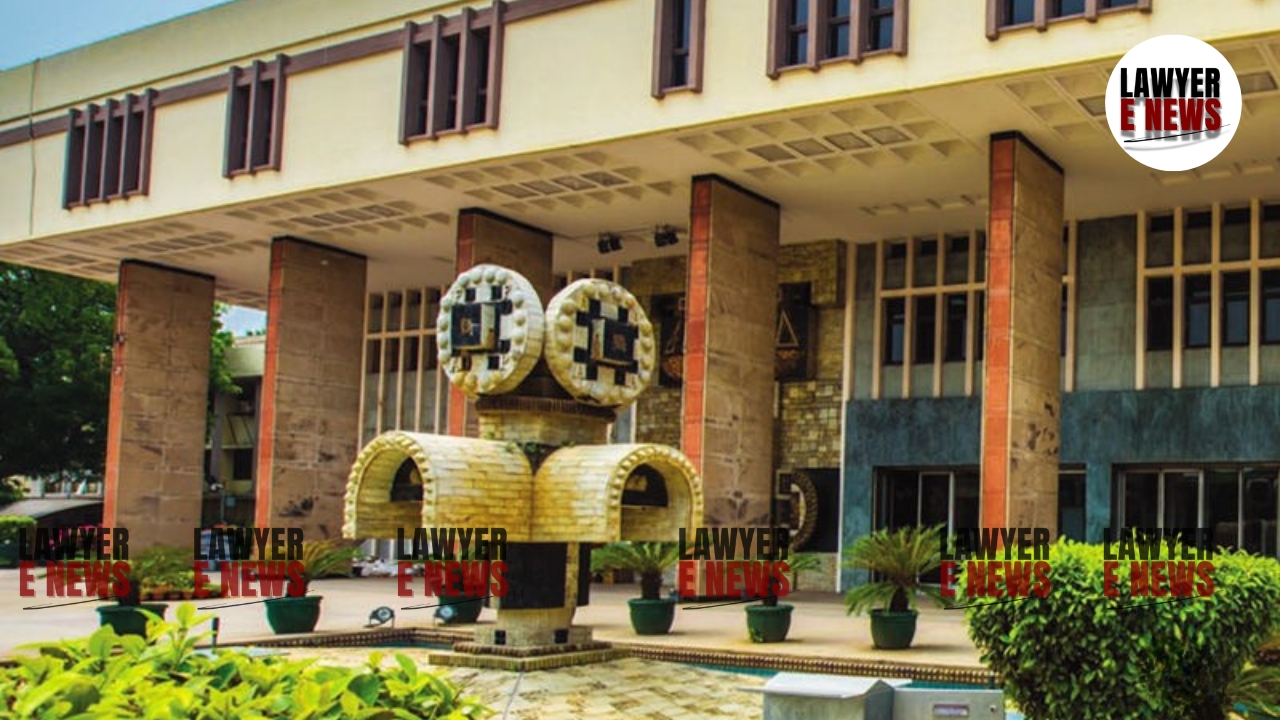
“The law of limitation binds everyone equally—government officers are not entitled to hide behind bureaucratic lethargy or blame games” — In a sharply worded ruling Delhi High Court upheld the trial court’s refusal to condone a delay of over two years in filing a written statement by a government body. The High Court not only dismissed the petition but also imposed ₹10,000 in costs, ordering recovery from the salary of negligent officials responsible for the procedural lapse.
Justice Girish Kathpalia, presiding over the matter, delivered a scathing critique of casual governmental litigation practices:
“Petitioner is not a lay person or some illiterate individual litigant. Petitioner is a government body and is assumed to have a law department... none of whom kept track of the proceedings.”
The Court held that Order VIII Rule 1 CPC, while directory, does not permit blanket condonation of delay beyond 90 days except in rare and exceptional cases, which the petitioner completely failed to establish.
“Two-Year Delay After Summons is Not Exceptional—It’s Negligence”
Timeline of Default and Judicial Findings
The petitioner, a statutory welfare board for construction workers, had been served with summons on 01.07.2019. However, it failed to file a written statement within the prescribed 30 days or even the extended period of 90 days under Order VIII Rule 1 CPC. The right to file a written statement was closed by the trial court on 26.09.2020. The Board belatedly filed its written statement on 27.10.2021, accompanied by applications under Section 151 CPC and Section 5 of the Limitation Act, 1963, seeking condonation.
The trial court dismissed both applications. This decision was challenged before the High Court, which found no error in the reasoning adopted by the lower court.
Justice Kathpalia summarized the position of law as follows:
“Beyond 90 days, the Court is not powerless... but this discretion must be exercised only in exceptional cases... where the delay is explained by reasons beyond the party’s control.”
Referring to the landmark ruling in Kailash v. Nanhku, the Court reiterated that negligence, laxity, or tactical delay by a party or its counsel does not entitle the litigant to indulgence:
“In no case shall the defendant be permitted to seek extension of time when the Court is satisfied that it is a case of laxity or gross negligence on the part of the defendant or his counsel.” (Kailash, 2005)
“Blaming the Lawyer is No Shield—Litigants Must Remain Vigilant”
The petitioner claimed that the delay occurred because its panel counsel resigned without returning the case files, and administrative delays prevented quick appointment of a new advocate. However, the High Court pointed to contradictions in the petitioner’s own pleadings, where it admitted that the files had in fact been returned.
The Court asked: “If the previous counsel was at fault, what action did the Board take?” The answer: none.
Justice Kathpalia reminded the litigant of the binding precedent in Salil Dutta v. T.M. & M.C. Pvt. Ltd. (1993) 2 SCC 185:
“The advocate is the agent of the party. His acts and statements… are the acts and statements of the principal. A litigant cannot disown its advocate at any time and seek relief.”
Further, the Court quoted Moddus Media Pvt. Ltd. v. Scone Exhibition Pvt. Ltd. [2017 SCC OnLine Del 8491]:
“The litigant owes a duty to be vigilant… cannot blame the advocate and wake up after years as if the court is a storage of suits filed by such negligent litigants.”
In other words, even if the lawyer defaulted, the litigant — especially a government body — is not free to shift blame and seek blanket indulgence.
“Being a Government Body Doesn’t Mean a Free Pass” — Law of Limitation Applies Equally
The petitioner also relied on its status as a government organisation, pleading that procedural delays in appointing new counsel caused the delay. The Court rejected this excuse outright, citing the Supreme Court’s frustration with routine governmental inefficiency in filing appeals and managing litigation.
Referring to State of Madhya Pradesh v. Bherulal [(2020) 10 SCC 654] and Office of the Chief Post Master General v. Living Media India Ltd. [(2012) 3 SCC 563], the High Court reiterated:
“The law of limitation undoubtedly binds everybody including the Government.”
The Supreme Court had previously cautioned that:
“Condonation of delay is an exception and should not be used as an anticipated benefit for government departments… The government cannot expect courts to condone delay mechanically merely because it is a party.”
Justice Kathpalia reinforced this position by observing:
“There is no reasonable explanation, much less any exceptional circumstances which can explain such colossal delay of two years.”
“Frivolous Litigation Must Be Penalised” — Costs Imposed, Recovery Ordered from Salaries
Terming the petition “not just devoid of merit but also totally frivolous”, the Court imposed ₹10,000 in costs, to be paid to the respondent-union within two weeks. Importantly, the Court directed:
“The same shall be recovered from salary of the erring officials… on account of whose negligence and lethargy, the written statement was not filed in time.”
This marked a clear accountability measure against irresponsible litigation conduct by government departments and bureaucrats.
“Procedure is the Handmaid of Justice, Not an Excuse for Abuse”
The Court reiterated the jurisprudential ethos expressed in Opera Global Pvt. Ltd. v. Travel Planners Pvt. Ltd. [169 (2010) DLT 271], where it was held:
“Procedure as laid down by legislature is handmaid of justice… but parties cannot be given liberty to prolong trials as per their wishes.”
Thus, allowing procedural lapses to continue unchecked, especially by institutional litigants, would amount to inviting anarchy and undermining legislative intent.
In a robust affirmation of judicial discipline and equal treatment under procedural law, the Delhi High Court has laid down yet another clear warning to government bodies that seek to exploit their position by casually bypassing procedural norms.
“The law shelters everyone under the same light and should not be swirled for the benefit of a few.”
By holding bureaucratic inefficiency and counsel blame games as unacceptable grounds for delay, and ordering personal cost recovery, this judgment sets an important precedent on accountability in litigation, especially for government litigants.
Date of Decision: 13 November 2025





