-
by sayum
28 August 2026 12:24 PM







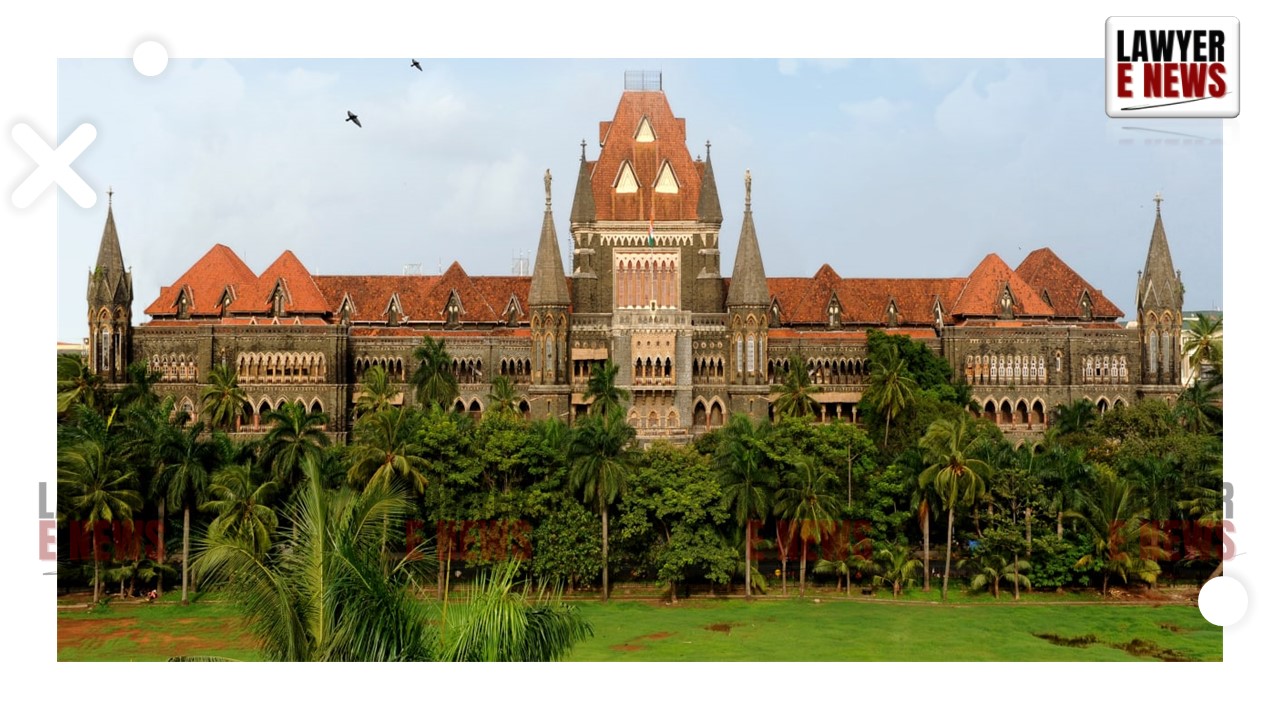
Mandatory FASTag Use on National Highways Is a Policy Decision—Judicial Interference Unwarranted - The Bombay High Court, in a judgment pronounced on March 13, 2025, dismissed a Public Interest Litigation (PIL No. 75 of 2021) that challenged the compulsory imposition of double toll charges on non-FASTag vehicles at National Highway toll plazas. The Court ruled that the implementation of FASTag and the penalty for non-compliance were policy decisions of the government and could not be interfered with unless they were arbitrary, unreasonable, or unconstitutional.
Rejecting the petitioner’s argument that the double toll charge for non-FASTag vehicles amounted to an unfair penalty, the Court clarified, "The additional toll charge is not a penalty but a mechanism to encourage seamless digital toll payment. The policy has been implemented gradually since 2014 and is aimed at reducing congestion and fuel wastage at toll plazas."
"Petitioner Challenges FASTag Policy, Seeks Hybrid Lanes for Cash Payments"
The PIL was filed by Arjun Raju Khanapure, who contested the National Highways Authority of India (NHAI) Circulars dated February 12 and 14, 2021, which mandated that from February 15, 2021, all cash lanes at toll plazas be converted to FASTag-exclusive lanes. The petitioner argued that forcing cash-paying commuters to pay double the toll fee was arbitrary and violated their rights under Article 19(1)(d) of the Constitution (right to freedom of movement).
The petition sought quashing of these circulars and a direction to keep at least one hybrid lane open for commuters to pay toll fees using cash or other modes of payment. The Union of India, Ministry of Road Transport & Highways, and NHAI were made respondents in the case.
"FASTag Is a Well-Planned Policy—Court Refuses to Enter Policy Domain"
The High Court, after examining government records, noted that the FASTag system was introduced in 2014 and implemented in a phased manner, with incentives such as cashback offers to encourage voluntary adoption. The Court ruled, "The policy was neither sudden nor arbitrary. Sufficient time was given to the public to transition to digital toll payments."
The Court further held that policy decisions taken in public interest must not be interfered with unless they violate constitutional or statutory provisions, stating, "Judicial review of policy matters is limited. Courts cannot strike down policies merely because a different approach could have been taken."
Citing the Supreme Court’s ruling in Ugar Sugar Works Ltd. v. Delhi Administration (2001) 3 SCC 635, the Court emphasized that "courts should not intervene in policy decisions unless they are shown to be patently arbitrary or unconstitutional."
"Double Toll Fee Is Not a Fine—Users Have the Choice to Adopt FASTag"
The petitioner argued that charging double toll fees for non-FASTag vehicles amounted to an illegal penalty. The High Court dismissed this claim, clarifying, "The additional fee for non-FASTag vehicles is not a fine but a policy measure to promote digital toll payments. There is no prohibition on using highways without FASTag—vehicles without FASTag can still use the toll plaza by paying double the fee, as per Rule 6 of the National Highways Fee Rules, 2008."
The Court found that there was no violation of fundamental rights, ruling, "The argument that FASTag mandates violate Article 19(1)(d) is misplaced. The government has provided multiple options for obtaining and using FASTag, making the transition accessible to all users."
The Court also noted that Aadhaar was not mandatory for obtaining FASTag and that FASTag could be linked to any prepaid wallet or bank account, making it user-friendly and widely available.
"High Court Dismisses PIL, Upholds FASTag Policy"
Concluding its judgment, the Court ruled, "Once a policy decision has been implemented nationwide with sufficient safeguards and time for adaptation, courts should not interfere in its execution. The FASTag system is designed for public benefit and is legally justified."
Dismissing the PIL, the Court held, "The petitioner’s claim of inconvenience does not override the larger public interest served by FASTag. There is no merit in the plea, and judicial intervention is unwarranted."
The Bombay High Court’s ruling establishes an important precedent by upholding the government’s authority to implement digital payment mandates in public infrastructure projects. The judgment reinforces that:
• FASTag is a well-planned policy and has been implemented lawfully.
• Charging double toll for non-FASTag vehicles is not a penalty but a policy measure to encourage digital toll payments.
• Courts should not interfere in policy decisions unless they are arbitrary or unconstitutional.
With this ruling, the Court has sent a strong message in favor of digital transformation in public services, ensuring that government policies aimed at efficiency and transparency are not hindered by litigation based on personal inconvenience.
Date of Decision: 13 March 2025