After Admitting Lease, Defendant Cannot Turn Around and Call It Forged—Contradictory Stand at Advanced Trial Stage Impermissible: Punjab & Haryana High Court Dismisses Revision Against Rejection of Amendment Plea Dismissed Employee Has No Right to Leave Encashment Under Statutory Rules: Punjab and Haryana High Court Section 13 of Gambling Act Is Cognizable — Magistrate Can Take Cognizance on Police Report: Allahabad High Court Clarifies Surveyor’s Report Not Sacrosanct, Arbitral Tribunal Has Jurisdiction to Apply Mind Independently: Bombay High Court Dismisses Insurer’s Challenge to Award in Fire Damage Dispute Anti-Suit Injunction in Matrimonial Dispute Set Aside: Calcutta High Court Refuses to Stall UK Divorce Proceedings Filed by Wife Res Ipsa Loquitur Not a Substitute for Proof of Negligence: Delhi High Court Affirms Acquittal in Fatal Road Accident Case NSA Detention Doesn’t Bar Framing of Charges If Prima Facie Evidence Exists: Punjab & Haryana High Court Upholds Charges in Ajnala Police Station Violence Case Continued Contractual Service Despite Sanctioned Posts Is Unfair Labour Practice: Orissa High Court Orders Regularization Of ECG Technicians After 15 Years Will Duly Proved Even If Witnesses Forget Details After Eight Years: Madras High Court Validates Bequest, Sets Aside Partition Decree Writ Petition Not Maintainable Where Commercial Appeal Remedy Exists: Karnataka High Court Dismisses Petition, Permits Conversion Under Commercial Courts Act Circumstantial Evidence Must Be Cogent, But Caste-Based Offences Demand Specific Intent: Supreme Court Draws Line Between Heinous Crimes and Caste Atrocities Court Must Step into Testator’s Shoes, Not Substitute His Intent: Supreme Court Upholds Will Excluding One Daughter Production of Arbitration Clause is Enough - Not Conduct Mini-Trials on Capacity or Consortium Structure: Supreme Court Title to Property Must Be Proven by Evidence, Not Just Claimed by Deed: Supreme Court Strikes Down Injunction Order Rejecting Police Investigation Is Not Interlocutory Where It Affects Complainant’s Right to Fair Probe in Murder Case: Madhya Pradesh High Court Restores Revision in 156(3) Application Rejection Conviction Cannot Rest On Contradictions, Hostility And Conjecture: Supreme Court Acquits Seven Accused In 2010 Village Murder Power to Lower NEET Percentile Lies Only With Centre - States Can’t Dilute NEET by Administrative Letters: Supreme Court Imposed 10 Crore Cost On Private Dental College Identification Without TIP, Electronic Records Without 65B Certificate – Conviction Set Aside: Patna High Court Nothing Inflicts A Deeper Wound On Our Constitutional Culture Than A State Official Running Berserk Regardless Of Human Rights: Jharkhand High Court Orders ₹1.5 Lakh Interim Compensation Identification Vitiated, Diamonds Not Produced, Last Seen Theory Unreliable: Bombay High Court Acquits Two in 2011 Diamond Courier Murder Dishonour Due to ‘Account Blocked’ Not Attributable to Drawer—No Offence Under Section 138 NI Act: Delhi High Court Quashes Criminal Proceedings Presumption Under Section 139 NI Act Cannot Be Rebutted By Mere Assertions: Delhi High Court Affirms Conviction In 32-Year-Old Cheque Bounce Case Accused Cannot Demand Documents During Investigation Merely to Assist in Answering Queries: Delhi High Court Upholds Dismissal of S.91 CrPC Plea in Bank Fraud Probe Once a Person is a Major, They Are Free to Choose Their Partner – Absence of Marriage No Ground To Deny Protection: Allahabad High Court Connivance Can’t Be Washed Away by Exoneration: P&H High Court Upholds Penalty on Forest Guard Despite Enquiry Clean Chit Disciplinary Authority Cannot Override Enquiry Officer’s Clean Chit Without Hearing the Employee: Madhya Pradesh High Court Remands Termination for Procedural Lapse Appointment Secured by Misstating Marks Is Void Ab Initio; Human Error No Excuse Where Advantage Gained: Allahabad High Court Appeal Maintainable Despite Modified MACT Award — Kerala High Court Clarifies Scope of Appellate Review in Motor Accident Claims Signature Alone Doesn’t Prove Debt: Kerala High Court Upholds Acquittal in Cheque Bounce Case, Rejects Blanket Presumption Under Section 139 NI Act

Cross-Objections Not Maintainable in Income Tax Appeals Before High Court: Delhi High Court Rejects Assessee’s Plea

11 March 2025 12:26 PM

By: Deepak Kumar


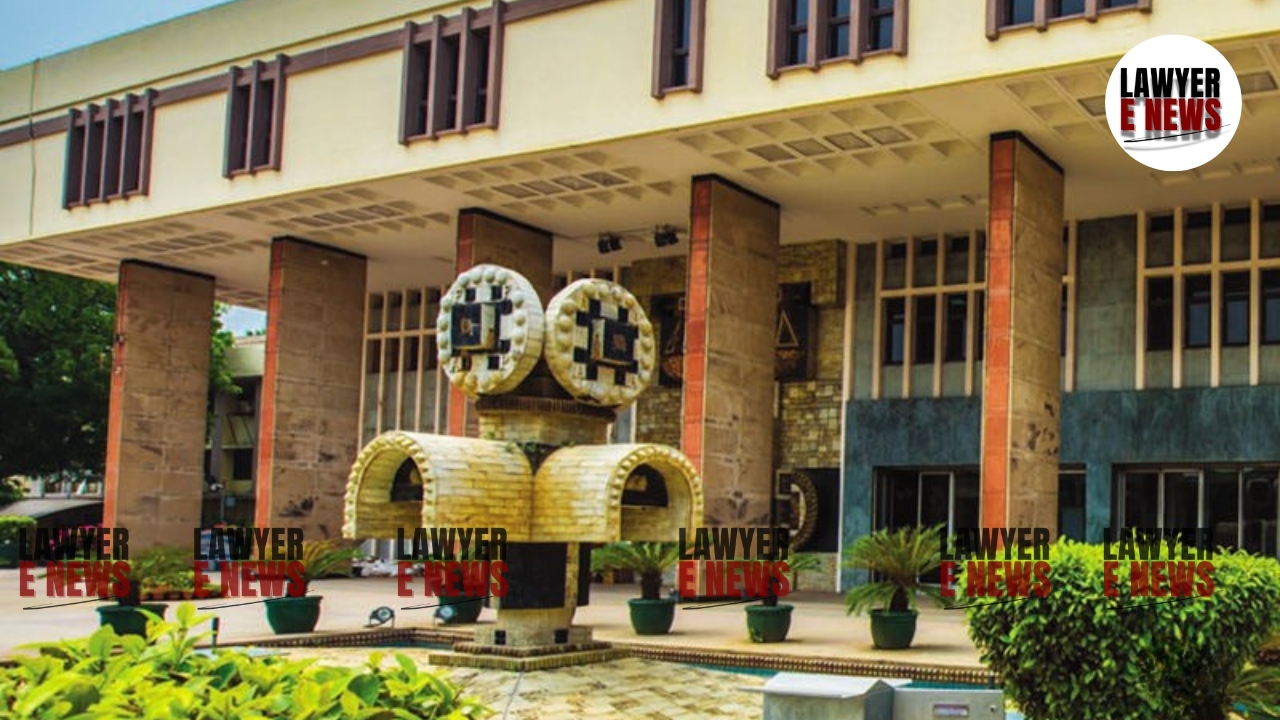
Section 260A of the Income Tax Act Does Not Provide for Cross-Objections; Appeal Must Be Based on a Substantial Question of Law - In a significant judgment Delhi High Court ruled that cross-objections are not maintainable in appeals filed under Section 260A of the Income Tax Act, 1961. The decision came in the case of Principal Commissioner of Income Tax (Central)-2 v. Nagar Dairy Pvt. Ltd., where the respondent-assessee had filed cross-objections against the revenue’s appeal.

The Court observed that "cross-objections are a substantive right and cannot be read into Section 260A unless explicitly provided by the statute. Since Section 260A only allows appeals on substantial questions of law, cross-objections have no place in such proceedings."

"Assessee Cannot Use Cross-Objections to Challenge Tribunal's Findings in a Revenue Appeal"
The case arose from a search and seizure operation conducted on September 17, 2010, on the Nagar Dairy Group, leading to tax assessments under Section 153C of the Income Tax Act. The assessee contested the invocation of Section 153C, but the Income Tax Appellate Tribunal (ITAT) upheld its validity while granting partial relief on certain tax additions.

The revenue appealed against the ITAT’s decision to delete various tax additions, and in response, the assessee filed cross-objections, arguing that the Tribunal erred in upholding the invocation of Section 153C.

Rejecting the maintainability of the cross-objections, the Court ruled that "Section 260A provides a limited appellate remedy only on substantial questions of law. The respondent-assessee, if aggrieved by the Tribunal’s ruling on Section 153C, should have filed an independent appeal instead of attempting to challenge it through cross-objections."

"Cross-Objections in Income Tax Appeals Cannot Be Read Into Section 260A"

The assessee contended that Order XLI Rule 22 of the Civil Procedure Code (CPC), which allows cross-objections in civil appeals, should be applied to appeals under Section 260A. However, the High Court rejected this argument, stating that "Order XLI Rule 22 applies to first appeals but does not extend to second appeals under Section 100 CPC, which is similar in structure to Section 260A of the Income Tax Act."

Referring to the Karnataka High Court's ruling in Jyoti Kumari v. Assistant Commissioner of Income Tax (2010 SCC OnLine Kar 5147), the Court reiterated that: "Cross-objections are not maintainable in second appeals under Section 100 CPC, and since Section 260A follows a similar appellate framework, the same principle applies. The provision for cross-objections cannot be inferred merely because Section 260A states that CPC provisions shall apply ‘so far as may be’."

"Right to Appeal Must Be Expressly Provided by Law"

The High Court emphasized that the right to appeal is a statutory creation and cannot be assumed unless expressly granted. The Court noted that: "An appeal is a substantive right, and cross-objections are in the nature of an appeal. Since Section 260A does not explicitly provide for cross-objections, the assessee cannot claim such a right."

The Court further explained that the absence of a cross-objection provision does not deprive the assessee of legal recourse. If an assessee is aggrieved by an ITAT ruling, they can file a separate appeal under Section 260A(2) within the prescribed 120-day period.


Dismissing the cross-objections, the Court ruled: "The cross-objections filed by the respondent-assessee are not maintainable under Section 260A of the Income Tax Act. The appeals filed by the Revenue shall proceed solely on the substantial question of law already framed."

The Delhi High Court’s ruling reaffirms that "cross-objections cannot be entertained in tax appeals before the High Court under Section 260A. Only substantial questions of law framed by the Court can be considered."

By rejecting the assessee’s attempt to challenge the ITAT’s findings through cross-objections, the judgment reinforces the limited scope of appellate review under Section 260A, ensuring that tax litigation remains confined to substantial legal issues.

Date of Decision: 03 March 2025

 

Latest Legal News