-
by sayum
25 August 2026 11:12 PM







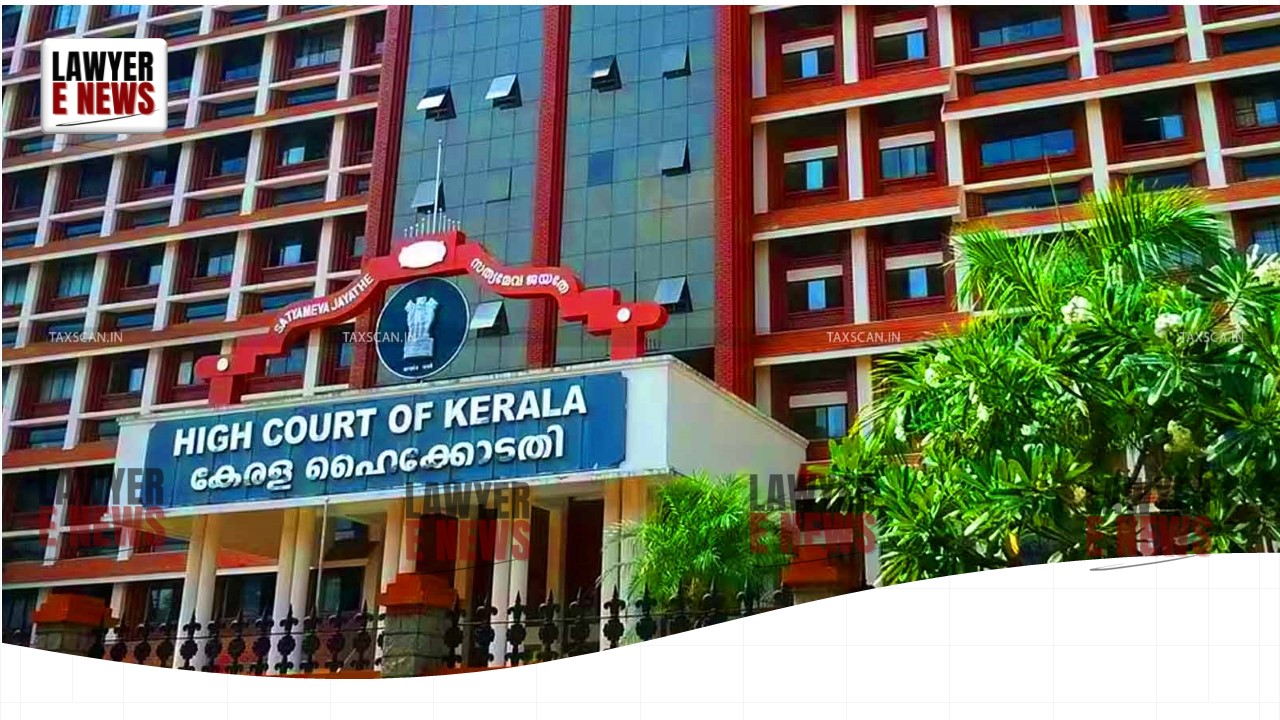
In a significant judgment Kerala High Court dismissed a contempt petition filed by Rajeevan P.M. against the Malabar Devaswom Board and the trustee of Parassinikadavu Muthappan Temple, ruling that delays in distributing ‘Dakshina’ among eligible families due to legal disputes and the COVID-19 pandemic did not constitute willful contempt. The Court held that "for an act to amount to contempt, there must be a deliberate and willful defiance of a court order, and mere procedural delays or unforeseen circumstances do not meet this threshold."
The petitioner, claiming to be a member of the Kovval family, alleged that the temple authorities had failed to distribute the share of ‘Dakshina’ in accordance with the High Court’s 2018 judgment in W.P.(C) No. 26300 of 2009. However, the Devaswom Board countered that the delay was due to internal legal challenges and COVID-related disruptions, and all dues had been subsequently cleared.
Agreeing with the temple authorities, the High Court ruled that "since the revenue was eventually distributed and no deliberate violation of the Court’s orders was established, no contempt is made out."
"Temple Authorities Had Justifiable Reasons for Delay" – High Court Rejects Contempt Claims
The 2018 judgment had directed that the offerings (Dakshina) placed at the ‘Sopanam’ of the temple should be collected daily, deposited in a bank, and distributed equally among three designated families—Kovval, Kannoth, and Vadakkal. The petitioner alleged that from July 2021 onward, the Madayan (Chief Priest) had failed to distribute the money to the Kovval family, violating the court’s orders.
The temple authorities, however, explained that the delay was caused by legal disputes over hereditary rights and an injunction placed on bank withdrawals, followed by disruptions due to the COVID-19 pandemic. The Devaswom Board submitted evidence showing that the revenue had been duly counted and distributed once these issues were resolved.
Relying on State of Maharashtra v. Mahboob S. Allibhoy (1996) 4 SCC 411, the High Court reiterated that: "Mere non-compliance with a court order due to external difficulties does not amount to contempt unless there is deliberate and intentional disobedience."
The Court found that "the temple authorities did not willfully withhold the revenue but were prevented from distributing it due to uncontrollable factors, which were later resolved."
"Legal Disputes Within the Family Cannot Be Used to Allege Contempt"
The High Court also noted that internal disputes among family members over temple administration contributed to the delay. One member of the Kovval family had filed an injunction stopping the withdrawal of ‘Dakshina’ funds from the bank, leading to disruptions in distribution.
Rejecting the petitioner’s argument that such disputes should not have affected the implementation of the court’s orders, the Court held: "When an injunction order or a legal dispute prevents compliance with a court order, it cannot be considered willful defiance. Courts must take a realistic view of such situations."
The Court observed that "it was a member of the petitioner’s own family who had filed objections preventing withdrawal, yet the petitioner still sought contempt proceedings against temple authorities. Such an approach is legally unsustainable."
"Revenue Distribution is Now Regular – No Contempt Exists"
After reviewing the bank statements and revenue records from August 2023 to January 2024, the Court found that:
• The temple authorities resumed daily collection and counting of Dakshina.
• The revenue was deposited in the bank and distributed as per court directions.
• All pending payments from 2021 were cleared by May 2023.
Since the system was now functioning as per the 2018 court order, the High Court ruled that: "With all past dues settled and the system restored, there is no continuing violation of the 2018 judgment. The contempt petition is, therefore, unsustainable."
Dismissing the case, the High Court ruled: "There is no willful or deliberate non-compliance of the 2018 judgment. The temple authorities have explained the reasons for the delay, and the revenue distribution system is now functioning properly. The contempt petition is dismissed."
The Kerala High Court’s ruling clarifies that "not every failure to comply with a court order amounts to contempt—only deliberate and intentional defiance qualifies."
By dismissing the contempt plea on the grounds of legal disputes and pandemic-related disruptions, the judgment ensures that "judicial authority is exercised in a balanced manner, without penalizing individuals for delays beyond their control."
Date of Decision: 06 March 2025