Consensual Relationship That Later Turns Sour Is Not Rape: Andhra Pradesh High Court Grants Bail in Breach of Promise Case Double Presumption of Innocence Applies; No Interference Unless Trial Court Judgment Is Perverse: Allahabad High Court in Murder Appeal Under BNSS A Single Act of Corruption Warrants Dismissal – 32 Years of Service Offers No Immunity: Punjab & Haryana High Court Upholds ASI’s Removal Suit Against Trustee Without Charity Commissioner’s Consent Is Statutorily Barred: Bombay High Court Government Can't Deny Implied Surrender After Refusing to Accept Possession: Madras HC Clarifies Scope of Section 111(f) of TP Act Custodial Interrogation Must Prevail Over Pre-Arrest Comfort in Hate Speech Cases: Punjab & Haryana High Court Denies Anticipatory Bail for Provocative Remarks Against Migrants Mutation Order Without Notice Cannot Stand in Law: Orissa High Court Quashes Tahasildar's Rejection for Violating Natural Justice Cruelty Must Be Grave and Proven – Mere Allegations of Disobedience or Demand for Separate Residence Don’t Justify Divorce: Jharkhand High Court Rejects Husband’s Divorce Appeal Retaliatory Prosecution Cannot Override Liberty: Himachal Pradesh High Court Grants Bail in PMLA Case Post CBI Trap of ED Officer Illegal Remand Without Production of Accused Is Not a Technical Lapse, But a Constitutional Breach: Andhra Pradesh High Court Grants Bail in Major NDPS Case Inherent Power Under Section 528 BNSS Not a Substitute for Article 226 When FIR Is Under Challenge Without Chargesheet or Cognizance Order: Allahabad High Court Possession Without Title Is Legally Insubstantial: Gujarat HC Dismisses Appeal By Dairy Cooperative Over Void Land Transfer You Can Prosecute a Former Director, But You Can’t Force Him to Represent the Company: Calcutta High Court Lays Down Clear Limits on Corporate Representation in PMLA Cases Conviction Cannot Rest on Tainted Testimony of Injured Witnesses in Isolation: Bombay High Court Acquits Five in Murder Case One Attesting Witness is Sufficient if He Proves Execution and Attestation of Will as Required by Law: AP High Court Land Acquisition | Delay Cannot Defeat Just Compensation: P&H High Court Grants Enhanced Compensation Despite 12-Year Delay in Review Petitions by Landowners Allegations Implausible, Motivated by Malice: Kerala High Court Quashes Rape Case After Finding Abuse Claims a Counterblast to Civil Dispute Adoptions Under Hindu Law Need No Approval from District Magistrate: Madras High Court Declares Administrative Rejection of Adoptive Birth Certificate as Illegal Findings of Fact Cannot Be Re-Appreciated in an Appeal Under Section 10F Companies Act: Madras High Court Equality Is Not A Mechanical Formula, But A Human Commitment: P&H High Court Grants Visually Impaired Mali Retrospective Promotions With Full Benefits Orissa High Court Rules Notice for No Confidence Motion Must Include Both Requisition and Resolution – Provision Held Mandatory Ashramam Built on Private Land, Managed by Family – Not a Public Religious Institution: Andhra Pradesh High Court Quashes Endowments Notification Cruelty Must Be Proved, Not Presumed: Gujarat High Court Acquits Deceased Husband In 498A Case After 22 Years Trade Dress Protection Goes Beyond Labels: Calcutta High Court Affirms Injunction Over Coconut Oil Packaging Mimicry Mere Filing of Income Tax Returns Does Not Exonerate the Accused: Madras High Court Refuses Discharge to Wife of Public Servant in ₹2 Crore DA Case

Creating Fake Social Media Profiles to Portray Woman as a Prostitute Amounts to Prima Facie Defamation: Karnataka High Court Refuses to Quash Proceedings

14 November 2025 6:34 AM

By: Admin


“Derogatory Posts in Public Domain Carry Wide Circulation—Trial Must Proceed”In a significant ruling Karnataka High Court, while dismissing a petition filed under Section 482 CrPC, held that creating fake social media accounts with sexually explicit content and falsely portraying a woman as a prostitute constitutes a prima facie offence of defamation under Sections 499 and 500 IPC, and also attracts provisions of the Information Technology Act, particularly Sections 66C, 66D and 67A.

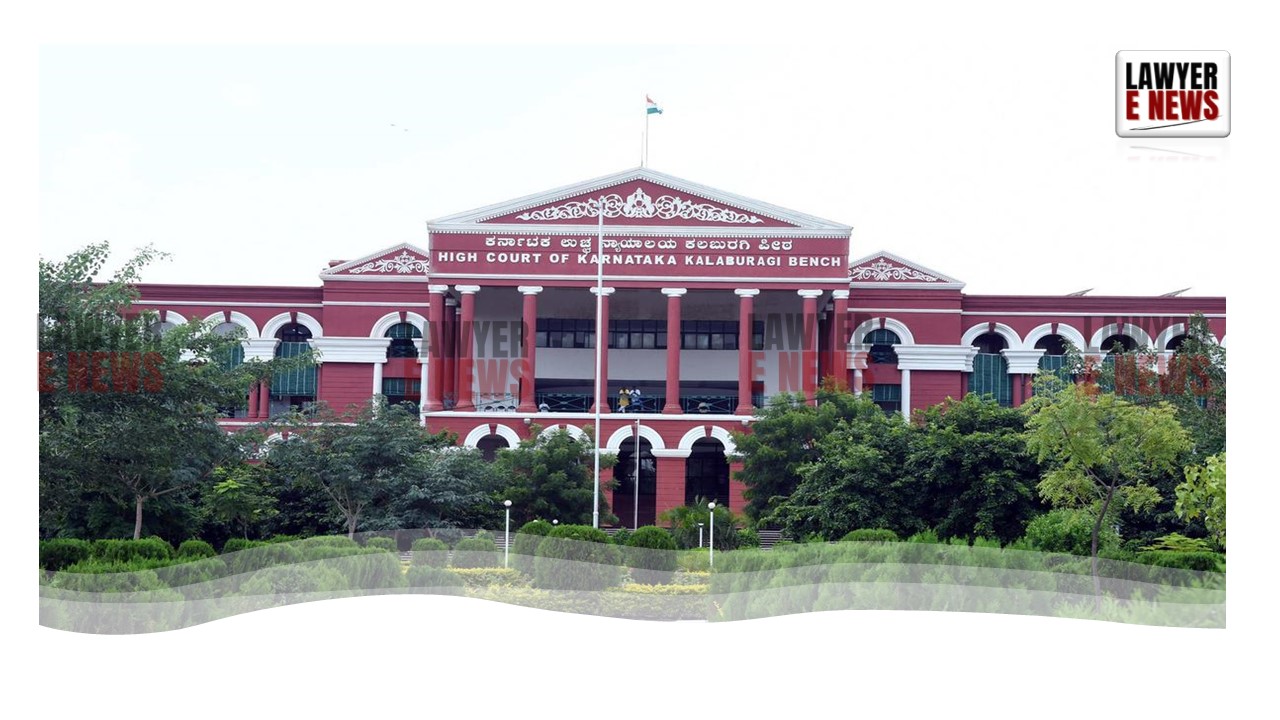
Justice M.I. Arun, sitting at the Bengaluru bench, upheld the criminal proceedings in C.C. No. 16087/2022 against the petitioner Pramod Shivashankar, who was accused of online harassment and digital vilification of his estranged sister-in-law, Vaishnavi, amid family discord.

“Public Accessibility of Fake Accounts Satisfies the Requirement of ‘Publication’ Under Defamation Law”

The Court noted that the accused allegedly created multiple fake profiles, some impersonating the respondent, others anonymously defaming her and her family. One such account, the respondent alleged, portrayed her as a call girl seeking male company.

“The allegation... that the respondent is portrayed as a call girl looking for men... and that such content is accessible to random persons on the internet... if proved, would definitely be considered defamatory in character.” [Para 4]

The Court clarified that posting such material in the public domain, even digitally, satisfies the essential element of “publication” under Section 499 IPC, making it eligible for criminal prosecution

“Identity Theft and Online Impersonation Are Offences—Disputed Facts Must Be Tested at Trial”

Rejecting the petitioner's plea that the charges were baseless and that he had not created any fake account, the Court observed:

“Whether the petitioner actually created the fake social media accounts... is a matter of trial and cannot be decided at the stage of quashing.” [Para 3]

The Bench found no error in the Trial Court’s decision to frame charges.

“Online Abuse Within Families Cannot Be Dismissed as Mere Matrimonial Discord”

The accused, brother-in-law of the complainant, argued that this was a private family matter arising from matrimonial disputes. The Court, however, rejected this line of defence:

“The allegations are serious in nature and cannot be brushed aside as mere family quarrel. Material shows ‘public domain’ posts leading to wide circulation.” [Para 2, 4]

Thus, the Court underscored the need to treat digital defamation and online sexual harassment within families as legally actionable and not immune by virtue of familial ties.

“High Threshold for Quashing Criminal Proceedings”: Reiterates Scope of Section 482 CrPC

Justice Arun reaffirmed that inherent powers under Section 482 CrPC are to be exercised sparingly and with caution, especially when facts are disputed and material evidence supports the framing of charges.

“Sworn statements and preliminary material support cognizance—no perversity found in order framing charges.” [Para 4]

Accordingly, the Court found no merit in interfering with the trial proceedings and dismissed the petition.

This ruling sends a strong message against the growing trend of digital defamation and identity-based online harassment, particularly in the context of familial disputes. The High Court’s refusal to quash proceedings at a pre-trial stage underscores the judiciary’s increasing recognition of cyber offences as serious legal wrongs deserving full trial and adjudication.

Date of Decision: 30 October 2025

Latest Legal News