-
by sayum
26 August 2026 10:38 AM







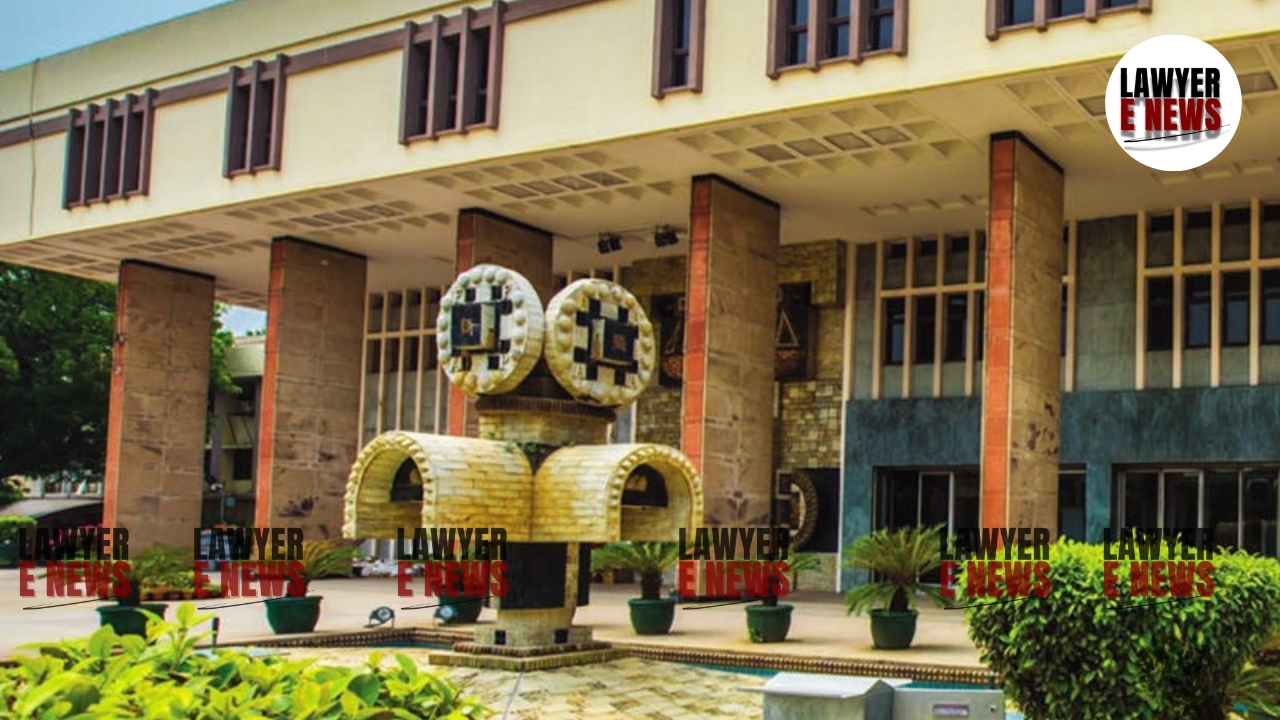
“Once a company is struck off and stands dissolved, it loses its juristic personality, rendering any act done on its behalf void ab initio.” In a significant judgment Delhi High Court, through Justice Arun Monga, quashed criminal complaints filed under Section 138 of the Negotiable Instruments Act, 1881 (NI Act) by a company that had already been dissolved under the Companies Act, 2013. The Court held that prosecution initiated by a non-existent legal entity is an abuse of process and cannot be sustained in law.
The decision came in the petitions titled Krishan Lal Gulati & Another v. State of NCT of Delhi & Another, where the petitioners had sought quashing of complaint cases filed by Raghav Aditya Chits Pvt. Ltd., a company that had ceased to exist more than two years before the institution of proceedings. The Court, invoking its inherent powers under Article 226 of the Constitution and Section 482 CrPC, allowed the petitions and set aside the complaints and summoning orders.
“Proceedings Initiated by Ex-Directors of a Struck-Off Company Are Legally Untenable”
The core legal issue was whether a criminal complaint under Section 138 of the NI Act could be maintained by a company that had been struck off from the Register of Companies under Section 248(5) of the Companies Act, 2013. The Court unequivocally held in the negative, stating:
“A cheque issued in the name of or by such a dissolved company cannot be treated as a legally enforceable instrument, since no valid drawer or account-holder exists in law.”
The complaints in question were filed in 2020, while Raghav Aditya Chits Pvt. Ltd. had been struck off and dissolved on August 8, 2018, through notification by the Registrar of Companies. Not only were the complaints filed after the company's legal demise, but the cheques allegedly dishonoured in 2019 were also issued and presented well after the company's dissolution.
The Court found that ex-directors of the company continued to operate bank accounts and pursued prosecution in the company’s name, despite its non-existence. This, the Court held, amounted to a “gross abuse of process of law.”
“A Dissolved Company Ceases to Exist in the Eyes of Law”: Court Cites Section 248 and 250 of the Companies Act
The High Court placed significant reliance on the statutory provisions governing corporate dissolution. Referring to Section 248(5) and Section 250 of the Companies Act, Justice Monga reiterated the legal effect of a company’s name being struck off:
“Upon publication of notice in the Official Gazette, the company shall stand dissolved… the company shall on and from the date mentioned cease to operate as a company and the Certificate of Incorporation shall be deemed to have been cancelled.”
The Court also cited the Government Notification dated 05.09.2017 from the Ministry of Finance, which clarified that ex-directors of struck-off companies cannot operate bank accounts or act on behalf of such entities unless the company is restored under Section 252 by the National Company Law Tribunal.
“Criminal Proceedings Cannot Be Allowed to Continue in the Name of a Ghost Entity”
Justice Monga observed that the Trial Court had committed a “material irregularity in law” by refusing to dismiss the complaints despite clear evidence of the complainant company’s dissolution. The summoning orders dated 21.12.2020 and 05.10.2021, and the Trial Court’s rejection of the petitioners’ application on 22.12.2022, were all set aside.
The Court found it imperative to intervene, stating:
“Continuation of the trial would thus serve no legal purpose when the complainant company itself has ceased to exist. Criminal prosecution cannot be maintained by or against a dissolved entity.”
This, it held, was a fit case to invoke inherent jurisdiction to prevent miscarriage of justice, as the proceedings were initiated without lawful authority.
“Security Cheques Misused by Ex-Directors to Fabricate Claims”: Allegations of Fabrication and Time-Barred Debt Noted
The petitioners also argued that the cheques in question—amounting to ₹1.93 crore and ₹1.76 crore—were originally issued in 2011 as security cheques during early stages of a business relationship and were never intended for presentation. They alleged that after the company’s dissolution, the cheques were filled with inflated amounts and wrongfully presented to fabricate recovery claims. They further contended that the underlying transactions dated back to 2011–2014, making any cause of action time-barred by the time the complaints were filed in 2020.
While the Court did not conclusively adjudicate on the security cheque defence, it noted that the legal bar on the complainant company’s existence alone rendered the proceedings unsustainable, regardless of the merits of the underlying debt.
“Jurisdiction and Legal Status Are Foundational to a Valid Complaint”: High Court Emphasises Fundamental Defect
The Court clarified that a company that no longer exists cannot be represented, nor can it authorise any action, including filing of complaints, issuing legal notices, or pursuing prosecution. Such actions lack any legal foundation and are void ab initio. It observed:
“Once a company is struck off and stands dissolved, it loses its juristic personality… complaints under Section 138 NI Act were legally untenable, having been filed by a non-existent entity through unauthorised persons.”
The Court rejected the argument that the issue of maintainability could be deferred to a later stage of trial, holding instead that juristic status is a threshold question which goes to the root of the matter.
“Successors May Pursue Lawful Recovery If Permitted”: Limited Liberty Reserved
While allowing the petitions and quashing the complaints, the Court clarified that its judgment does not preclude lawful recovery in appropriate legal forums, should any successor-in-interest of the complainant be entitled to such remedy.
Justice Monga stated:
“Successors in interest of the respondent no.2/complainant are at liberty to proceed… by resorting to any other alternative remedy, if the law so permits.”
However, he underscored that any such effort would have to conform to legal requirements, including proper restoration of the company before any rights or claims can be exercised.
A Cautionary Tale Against Misuse of Corporate Identity Post-Dissolution
The Delhi High Court’s judgment in Krishan Lal Gulati v. State of NCT of Delhi delivers a clear message: corporate dissolution under law brings with it a legal finality that cannot be circumvented by ex-directors acting in the name of a ghost entity. It also reinforces the principle that legal personhood is a sine qua non for initiating criminal proceedings.
By quashing the complaints and summoning orders, the Court prevented a miscarriage of justice and reaffirmed the rule that “no one can claim to represent a company that has ceased to exist unless and until it is lawfully revived.”
Date of Decision: October 8, 2025