-
by sayum
25 August 2026 12:32 PM







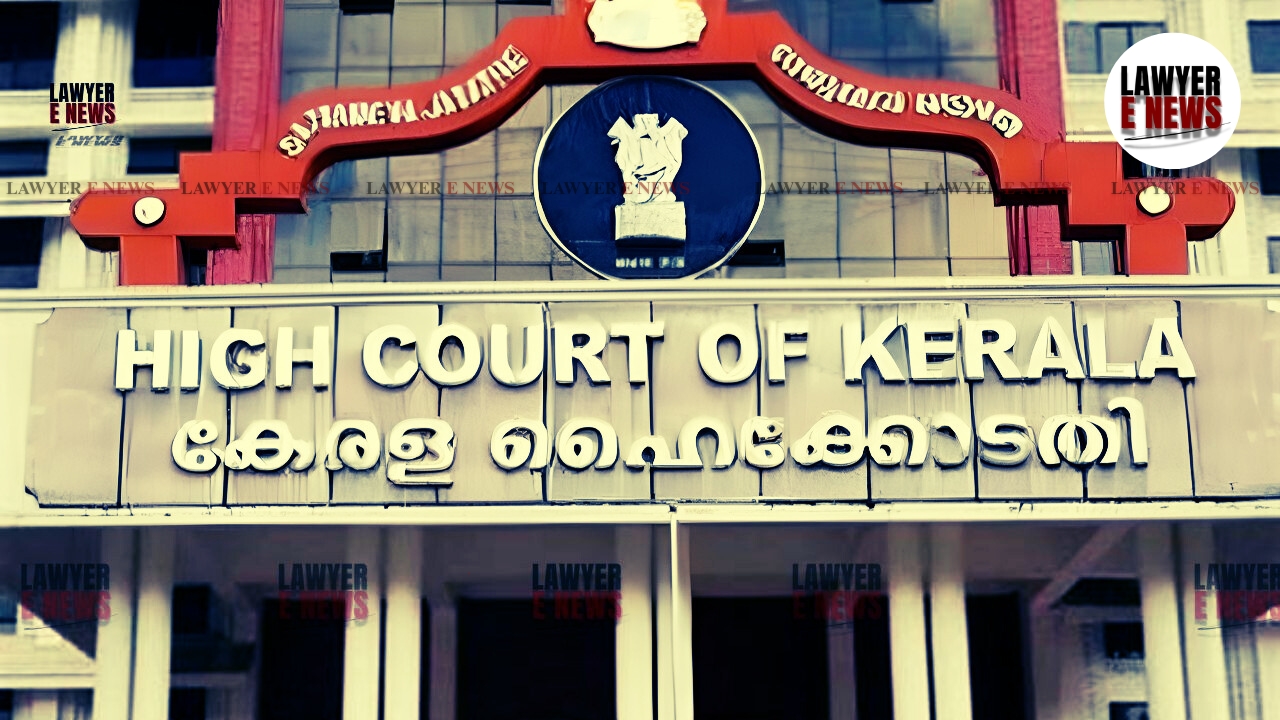
“Rule-Made Power Cannot Be Silenced by Circulars” – Kerala HC Declares Government’s 1997 and 2008 Bans on Temporary Promotions Inoperative for Judicial Staff. In a significant judgment on 12 November 2025, the Kerala High Court held that statutory rules empowering temporary promotions in the Civil Judicial Department cannot be nullified by executive circulars, and directed that eligible staff may be temporarily promoted under Rule 31(a)(i) of the KS&SSR, even without declared probation, subject to seniority and fitness.
Justice N. Nagareesh delivered the judgment in W.P.(C) filed by the Kerala Civil Judicial Staff Organisation (KCJSO) and individual judicial clerical staff, challenging circulars and Office Memoranda that effectively blocked temporary promotions despite dozens of vacant posts in the department. The Court declared:
“Circulars issued by the executive cannot operate to frustrate or override statutory eligibility and discretion conferred on appointing authorities under Rule 31(a)(i) of the KS&SSR and Rule 8 of the Kerala Judicial Ministerial Subordinate Service Rules, 1975.” [Para 23]
“Stagnation Caused by Cadre Imbalance Cannot Continue Indefinitely” – Bench Clerk Promotions Must Proceed Temporarily Where Necessary
The Court noted the alarming cadre imbalance in the judicial clerical service. As per records, there are only 41 sanctioned posts of Central Nazir, which is the feeder category for promotion, but 182 posts of Bench Clerk Grade-I, the higher category.
This disparity means that even when promotions are otherwise due, they are blocked due to a technical lack of approved probationers, leading to severe administrative bottlenecks across multiple courts.
“A permanent solution is being explored by amending the Special Rules to make the posts of Central Nazir and Bench Clerk Grade-I interchangeable. However, until that legislative process is complete, the judicial system cannot be crippled due to vacant posts.” [Para 24
“Statutory Rules Trump Government Circulars” – Rule 31(a)(i) Empowers Promotions in Exigency
The petitioners had challenged the impact of Ext.P6 and P7 — Government Circulars dated 09.09.1997 and 15.09.2008 — which banned temporary promotions except under extraordinary justification vetted at the Chief Minister’s level. The Court categorically held:
“Exts.P6 and P7 cannot be pressed into service to avert temporary promotions... Statutory authority under Rule 31(a)(i) cannot be diluted by administrative circulars.” [Para 26]
“Temporary Promotion Not a Right, But a Power That Must Be Exercised When Justice Demands”
While the High Court acknowledged that temporary promotion is not an enforceable right, it clarified that appointing authorities must exercise the discretion when justice delivery is compromised due to administrative paralysis.
“Where vacancies in Bench Clerk Grade-I and Junior Superintendent posts persist and the service suffers, it is not in public interest to leave them unfilled.” [Para 23]
Importantly, the Court noted that Rule 31(a)(i) allows temporary promotions “where there is an emergency which has arisen to fill immediately a vacancy and there would be undue delay in making such promotion in accordance with the Rules.” The proviso further requires promotion by seniority, even for persons on leave or deputation.
“Government’s Own Communication Validates Relaxation” – July 2025 Letter Endorses Temporary Promotions
Reinforcing its conclusion, the Court cited a crucial letter dated 19.07.2025 from the Additional Chief Secretary, which stated that temporary promotions may be effected “without superseding any senior,” in accordance with the first proviso to Rule 28(a)(i) KS&SSR.
“This communication reflects a significant relaxation of the government’s earlier rigid stance, and supports the petitioners’ position that such temporary promotions are both lawful and needed.” [Para 28]
“Judiciary Cannot Be Held Hostage to Executive Delay” – Court Urges Timely Promotions Until Rules Are Amended
While the Court appreciated the government’s intent to reform the cadre structure by legislative amendment (pending before the Kerala Legislative Subject Committee), it warned against indefinite delay:
“Amendment to the Rules being a legislative process may take its own time. In the meanwhile, the vacant posts in the Civil Judicial Department cannot be kept vacant.” [Para 26]
Disposing of the writ petition, the Court declared: “The competent authorities among respondents 4 to 19 shall be free to effect temporary promotions to the cadre of Bench Clerk Grade-I following the provisions of Rule 31(a)(i), untrammelled by the earlier circulars issued by the Government of Kerala.” [Para 28]
Key Provisions Discussed:
This ruling comes as a major relief to hundreds of judicial staff members languishing without promotion due to technical and bureaucratic hurdles, and ensures that the smooth functioning of Kerala’s subordinate judiciary is not derailed by administrative inflexibility. By upholding statutory discretion over rigid circulars, the Court has reaffirmed a foundational principle of service jurisprudence:
“Circulars are not law. Rule-made power must prevail.”