
-
by sayum
28 August 2026 2:11 PM







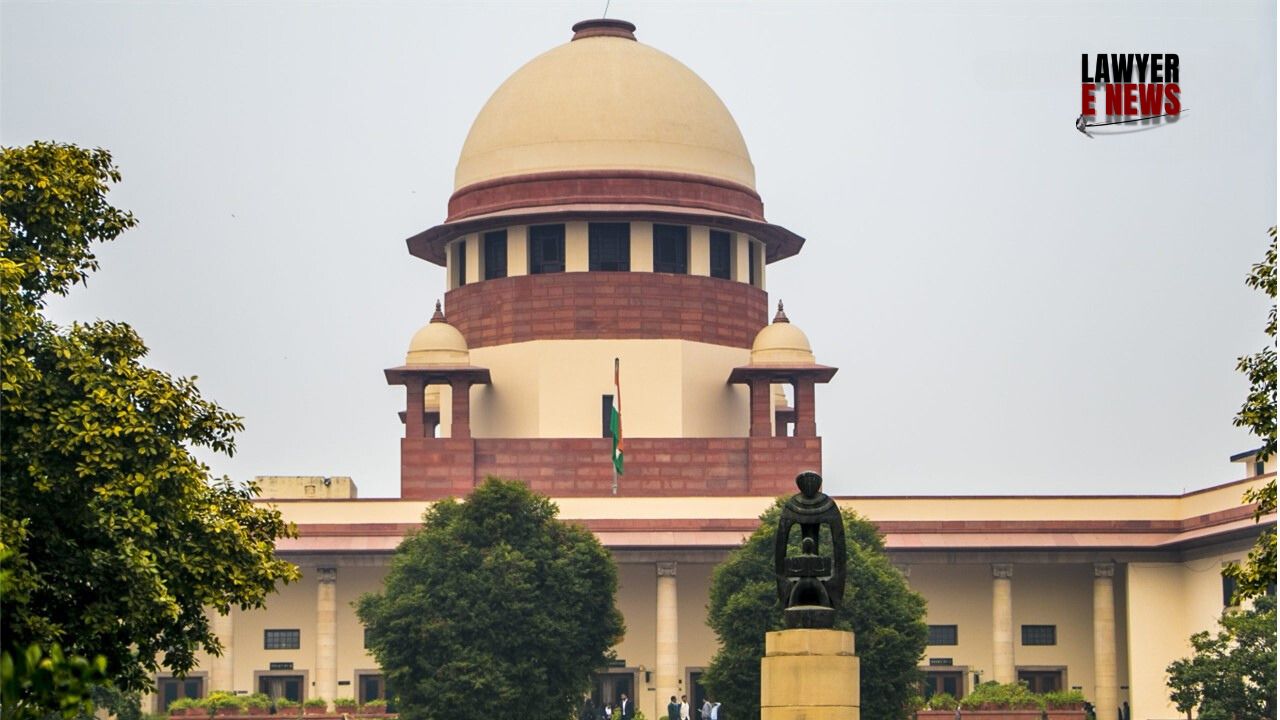
“Continued Custody Without Progress in Trial Defeats Justice”: In a significant judgment reinforcing the principle that prolonged pre-trial incarceration undermines personal liberty, the Supreme Court of India allowed an appeal and granted bail to the appellant who had been under custody for over two years and seven months in a UAPA-related terror case.
The bench of Justice M.M. Sundresh and Justice Satish Chandra Sharma held that the continuing delay in trial, the limited overt acts attributable to the accused, and parity with co-accused already granted bail warranted the grant of bail.
“We Deem It Appropriate to Grant Bail to the Appellant”: Supreme Court Balances Liberty with Preventive Safeguards in UAPA Prosecution
The appellant, Md. Belal @ Irshad, was arrayed as Accused No.30 in FIR No.827/2022 registered at Police Station Phulwarisharif, Patna, Bihar. He was booked under a host of stringent charges including:
Sections 121, 121A, 153A, 153B, and 120B of the IPC
Sections 10, 13, 17, 18, and 20 of the Unlawful Activities (Prevention) Act, 1967
Section 120B IPC read with Sections 25 and 29 of the Arms Act, 1959
The central allegation was that the appellant was associated with a banned organisation, and participated in monetary transactions linked to it.
However, the Court was persuaded by the submissions of the appellant’s counsel that:
“The alleged association of the appellant was much prior to the ban imposed on the organization… and for the remaining allegations with respect to a sum of ₹3.5 lakhs, the same was only with his relatives.”
The Court also noted that only three witnesses had been examined so far and that cross-examination delays could not be solely attributed to the appellant. It said:
“He has been under incarceration for nearly two years and seven months… It would take years for the trial to conclude.”
“Liberty Given to the State to Seek Cancellation If the Accused Violates Conditions”: Bail Granted With Cautionary Directives
The Court rejected the Union Government’s opposition that the offence was continuing in nature and allegedly aimed at “murder and disturbing law and order”, holding that the overt act attributed to the appellant was not so grave as to justify continued detention.
The bench ordered: “Accordingly, the impugned order qua the appellant Md. Belal @ Irshad stands set aside and the appellant is granted bail, subject to the terms and conditions that may be imposed by the Trial Court.”
However, in a balancing act, the Court issued preventive safeguards, stating:
“In the event the appellant gets involved in any illegal activity, constituting an offence, liberty is given to the respondent to seek cancellation [of bail]… The view expressed above would also apply if the appellant does not cooperate with the conduct of trial.”
“Trial Must Conclude Within One Year”: Supreme Court Emphasizes Expeditious Justice Under UAPA
Acknowledging the chronic delays in UAPA trials, the Supreme Court directed the Trial Court to complete the proceedings within a year, observing:
“The Trial Court shall make an endeavour to complete the trial within a period of one year.”
This direction is critical in a legal landscape where UAPA trials often drag for years, contributing to under-trial overpopulation and extended denial of liberty without adjudication of guilt.
“Bail Is the Rule, Jail the Exception – Even in UAPA, If Trial Is Nowhere in Sight”: A Message from the Apex Court
The ruling adds to the growing judicial discourse that liberty cannot be sacrificed at the altar of prosecutorial lethargy, even in cases involving serious charges under the UAPA. It reflects a cautious yet constitutionally guided approach balancing the need for national security with the fundamental right to personal liberty under Article 21.
Date of Decision: 09 September 2025