-
by sayum
08 August 2026 1:54 PM








Understanding to the contrary of the learned Magistrate was erroneous and completely opposed to the clear mandate of Section 142(2)(a) of the N.I. Act." - In a significant ruling Supreme Court of India decisively settled the legal confusion surrounding territorial jurisdiction in cheque dishonor cases under Section 138 of the Negotiable Instruments Act, 1881. The Court ruled that the appropriate forum for filing such complaints is determined by the location of the bank branch where the payee maintains his account, irrespective of where the cheque is physically deposited.
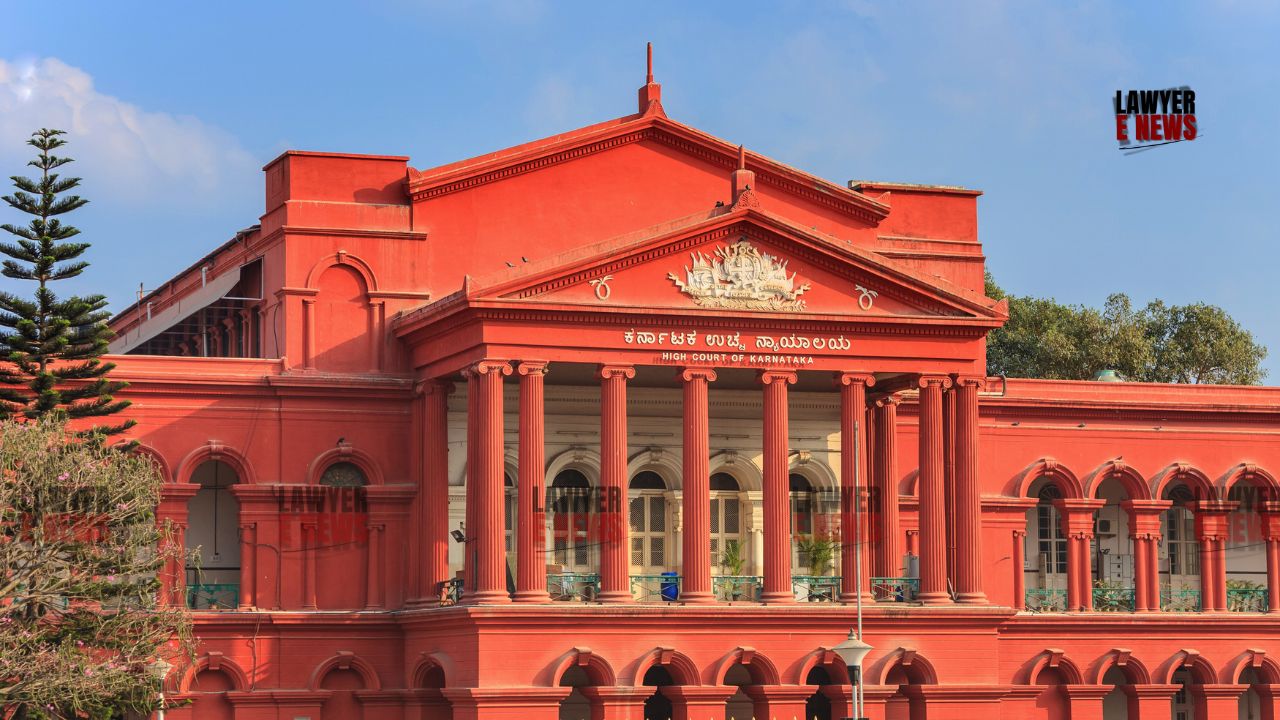
Setting aside orders of both the Magistrate Court at Mangalore and the Karnataka High Court, the Supreme Court held that their interpretation was “completely opposed to the clear mandate of Section 142(2)(a) of the N.I. Act.”
The dispute originated from a financial transaction between the appellant Prakash Chimanlal Sheth and one Keyur Lalitbhai Rajpopat, wherein the latter allegedly borrowed ₹38.5 lakhs. The respondent, Jagruti Keyur Rajpopat, the borrower’s wife, stood as a guarantor and also independently availed financial assistance.
As part of discharging the liability, four cheques were issued by Jagruti in September 2023. Though these were physically deposited at the Opera House Branch, Mumbai, they were meant to be credited to the appellant’s account maintained at Kotak Mahindra Bank, Bendurwell Branch, Mangalore.
Upon dishonor of these cheques for insufficiency of funds, the appellant filed four complaint cases before the Judicial Magistrate First Class, Fifth Court, Mangalore. However, the Magistrate returned the complaints on the ground that the drawee bank was situated in Mumbai, and therefore his court lacked territorial jurisdiction.
The High Court of Karnataka affirmed this view, prompting the appellant to approach the Supreme Court.
Whether territorial jurisdiction under Section 138 of the N.I. Act is governed by the location of the drawee bank or by the place where the payee maintains his account and presents the cheque for collection.
Rejecting the reasoning of the lower courts, the Apex Court emphasized that Section 142(2)(a) of the N.I. Act, as amended in 2015, provides clear guidance:
"An offence under Section 138 shall be inquired into and tried only by a court within whose local jurisdiction the branch of the bank where the payee maintains the account is situated."
Citing the judgment in Bridgestone India Private Limited vs. Inderpal Singh, (2016) 2 SCC 75, the Court reiterated:
"Section 142(2)(a) of the N.I. Act vests jurisdiction... in the Court where the cheque is delivered for collection through an account in the Branch of the Bank where the payee maintains that account."
In the present case, it was undisputed that the appellant's account was at the Bendurwell, Mangalore Branch, even though the cheques were deposited in Mumbai.
The Court pointedly observed:
"Once it is established that, at the time of presentation of the cheques in question, the appellant maintained his account with the Kotak Mahindra Bank at its Bendurwell, Mangalore Branch, he was fully justified in filing his complaint cases before the jurisdictional Court at Mangalore."
Deploring the contrary findings of the Magistrate and the High Court, the bench led by Justice Sanjay Kumar, and joined by Justice Satish Chandra Sharma, remarked:
"The understanding to the contrary of the learned Magistrate at Mangalore was erroneous and completely opposed to the clear mandate of Section 142(2)(a) of the N.I. Act."
The Court also criticized the High Court for proceeding under a factual misapprehension:
"The High Court proceeded to confirm the erroneous order... under the wrong impression that the appellant maintained his bank account at the Opera House Branch of Kotak Mahindra Bank at Mumbai."
Setting aside the impugned orders dated 12.12.2023 (Magistrate) and 05.03.2024 (High Court), the Supreme Court allowed the appeals, directing that:
"The learned Judicial Magistrate First Class, Fifth Court, Mangalore, shall entertain and expeditiously adjudicate the complaint cases filed by the appellant in accordance with law."
The judgment effectively revives the cheque bounce complaints filed in Mangalore and clarifies that technical misinterpretations of territorial jurisdiction should not frustrate justice, especially when the statutory position is clear.
By reaffirming the statutory mandate of Section 142(2)(a) and correcting a flawed understanding of jurisdiction, the Supreme Court has ensured that procedural rigidity does not defeat substantive justice in cheque dishonor matters.
The ruling provides much-needed clarity to litigants and courts alike on where to file Section 138 complaints post the 2015 amendment, emphasizing that the location of the payee’s account, not the place of deposit, governs jurisdiction.
Date of Decision: 25 July 2025