-
by sayum
28 August 2026 12:24 PM







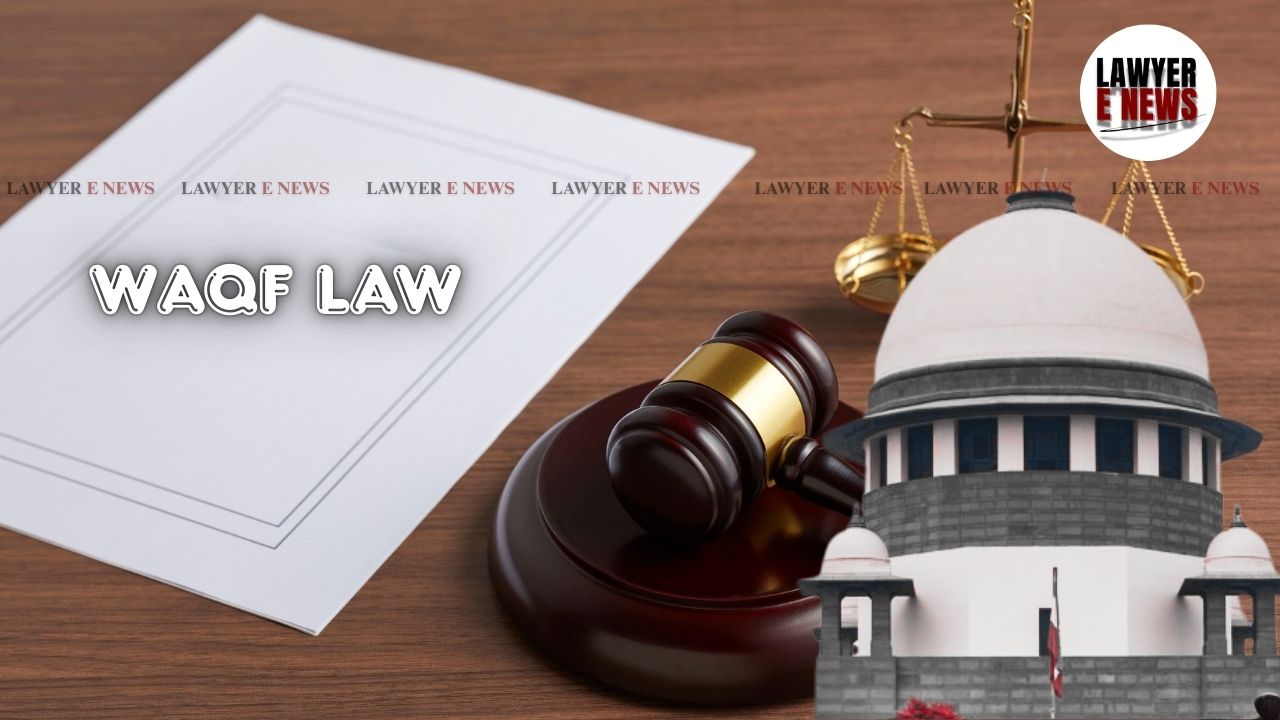
In a landmark order delivered today, the Supreme Court declined to halt the Waqf (Amendment) Act, 2025 in its entirety, holding that a statute carries a presumption of constitutionality. However, the Court did not shy away from intervening against provisions that it found to raise serious constitutional concerns.
“Five-Year Islam Practice Clause Put on Hold: Court Questions Constitutional Validity”
The controversial clause mandating that only those who had practised Islam for five years could create a waqf has been stayed. The Court said it would be untenable to enforce such a restriction without clear rules to determine what constitutes “practising Islam.” Till such rules are framed, the condition will not apply, preventing arbitrary denial of religious freedom.
“Collector Cannot Sit as Judge on Waqf Property Disputes: Separation of Powers Reaffirmed”
Another provision giving the District Collector power to decide whether land belongs to the government or to waqf institutions has also been frozen. The Court warned that vesting such adjudicatory authority in executive officers undermines the role of courts and risks violations of property rights.
“Encroachment and Denotification Powers Curtailed: Safeguards for Private Rights”
The Court stayed provisions that enabled Collectors to denotify waqf properties or unilaterally decide encroachment disputes. Observing that such sweeping administrative powers could cause irreparable harm to individuals, the bench emphasised that proper judicial mechanisms must decide such questions.
“Non-Muslim CEO Permissible, But Court Suggests Religious Sensitivity”
While the amendment allowing appointment of non-Muslim CEOs to Waqf Boards has not been struck down, the Supreme Court observed that “as far as possible, the CEO should be a Muslim,” signalling judicial caution over the balance between inclusivity and religious autonomy.
“Court Draws Red Lines: Oversight Permitted, But Religious Freedom Protected”
By refusing to suspend the entire Act yet halting provisions with potential constitutional infirmities, the Court struck a middle path. The order makes clear that reforms for transparency and regulation can stand, but any intrusion into religious freedom, equality before law, or judicial adjudication will be closely scrutinised.