-
by sayum
05 August 2026 3:07 PM







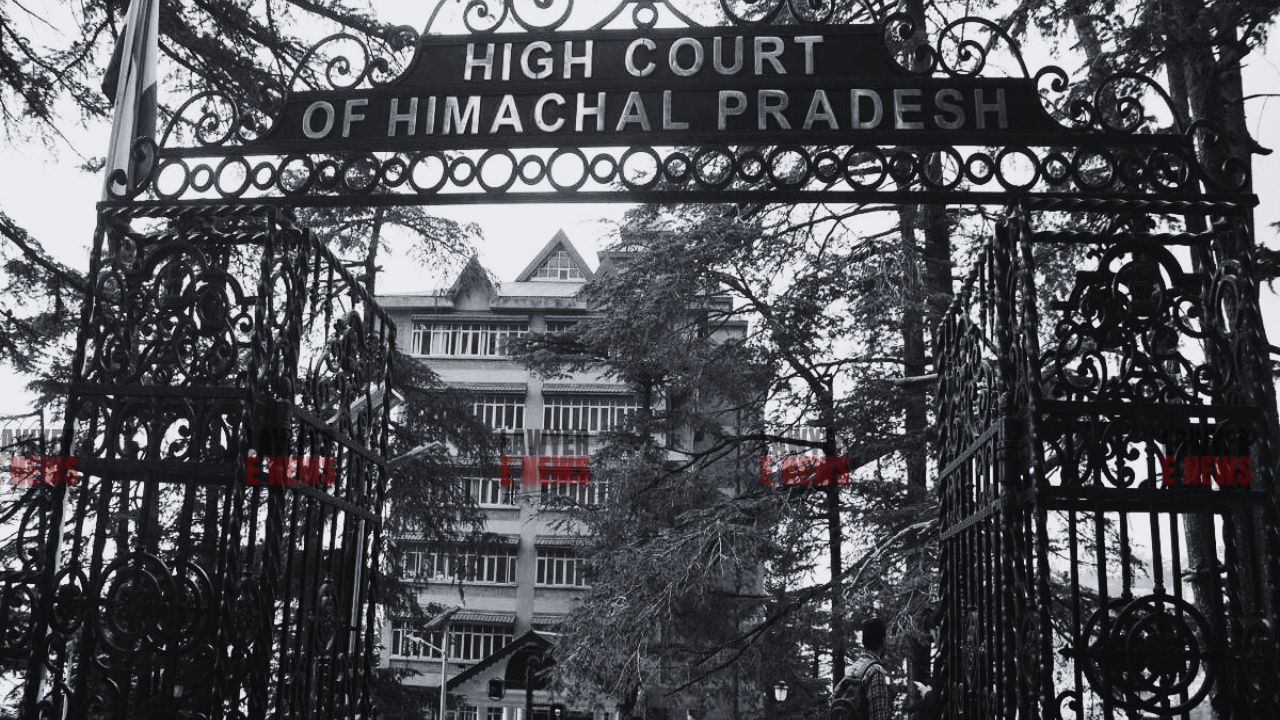
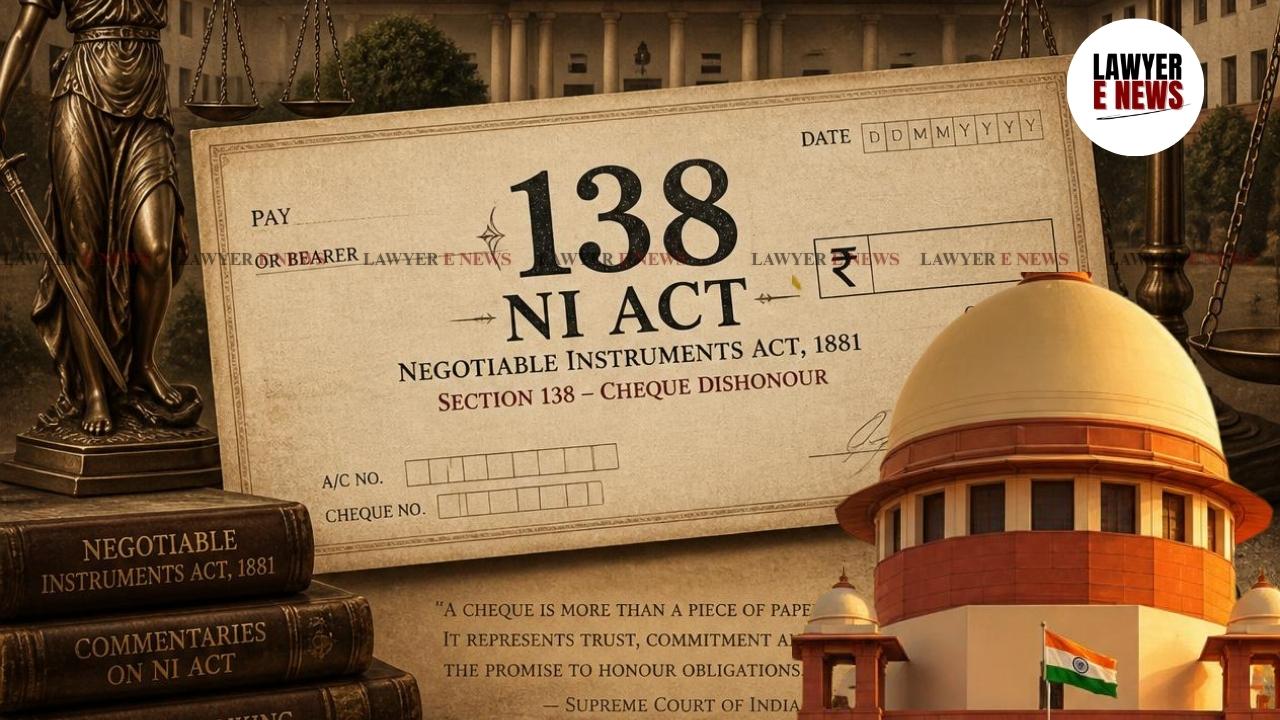
“Presumption under Section 139 is a presumption of law. A mere denial, unsupported by credible evidence, is wholly insufficient to rebut it,” In a comprehensive judgment delivered by Justice Rakesh Kainthla of the Himachal Pradesh High Court decisively upheld the conviction of Dalel Singh Patial under Section 138 of the Negotiable Instruments Act, 1881, for dishonouring a cheque of ₹6,16,310 issued to a fuel station owner. The Court maintained a six-month sentence and compensation of ₹7,50,000 but set aside a nominal fine of ₹5,000 imposed by the trial court, citing established principles of sentencing under the NI Act.
This judgment settles the long-contentious dispute on the misuse of ‘lost cheque’ defences and reasserts the binding nature of statutory presumptions under the Negotiable Instruments Act.
“Presumption of Liability Cannot Be Defeated By Theories Of Misplaced Cheques” — Court Rejects Defence as Implausible
The proceedings originated from a complaint filed by Sarwans Kaur Chopra, a petrol pump owner, who supplied diesel to Dalel Singh, a contractor, between October 2006 and January 2007. To clear his dues of ₹6,16,310, Singh issued a cheque which was dishonoured with the remark “insufficient funds.”
Justice Kainthla began the ruling with a clear affirmation:
“Once the signature on the cheque is admitted, the presumption under Sections 118(a) and 139 operates in full force and the burden shifts to the accused to displace the same with credible evidence.”
Dalel Singh attempted to escape liability by alleging that the cheque had been stolen from his chequebook, which, according to him, was lost before the date of transaction. However, the Court found this defence hollow. The Court pointed out the glaring inconsistencies, noting,
“The accused is a contractor by profession, and his conduct of allegedly leaving blank signed cheques unattended is not only improbable but inconsistent with common prudence.”
Even after the alleged loss, the cheque was dishonoured for “insufficient funds,” not because of any stop payment instruction. The Court remarked that if Singh had truly informed the bank of the loss, the return memo would have cited “payment stopped” and not “insufficient funds.”
“The Sword of Statutory Presumption is Not Blunted by Mere Assertions” — High Court Finds Defence Fails to Dislodge Legal Presumption
Drawing strength from authoritative judgments of the Supreme Court, including Bir Singh v. Mukesh Kumar (2019) 4 SCC 197, the Court observed:
“The presumption under Section 139 of the NI Act is not an empty formality. The accused must discharge it by leading cogent evidence or establishing a probable defence. Mere assertions fall far short.”
In support, the Court recalled the principle laid down in Basalingappa v. Mudibasappa (2019) 5 SCC 418, stating that once execution of the cheque is admitted, there is no escape from the statutory presumption, except by leading convincing evidence, which Singh failed to do.
The Court noted, “This is not a case where the accused made any serious attempt to rebut the presumption. He neither challenged the complainant’s version through effective cross-examination nor placed any credible material on record.”
Gift Deed Not a Substitute for Legal Exoneration: Court Dismisses Plea for Compounding Without Consent
Dalel Singh attempted a last-minute rescue by filing an application to compound the offence, claiming that he had executed a gift deed in favour of the complainant’s husband and the matter stood settled.
Justice Kainthla responded unequivocally, stating:
“It is well-settled that compounding of an offence under Section 138 NI Act cannot take place without the express consent of the complainant.”
Citing JIK Industries Ltd. v. Amarlal Jumani, the Court rejected the application, underscoring that the complainant firmly opposed the compounding request, asserting non-fulfilment of the financial obligation. The Court also noted that the gift deed cited by the accused was executed “out of natural love and affection,” as stated in the document itself, and not as a discharge of legal liability under the cheque.
“Trial Court Erred in Dual Sentence of Fine and Compensation”: High Court Quashes Fine but Maintains Deterrent Punishment
While agreeing with the conviction and sentence of imprisonment, the Court acknowledged the improper imposition of both fine and compensation. Justice Kainthla observed:
“When fine is imposed, compensation should be awarded from the fine amount itself, and imposing both as separate liabilities contravenes established sentencing principles.”
Relying on Dilip S. Dahanukar v. Kotak Mahindra Co. Ltd. (2007) 6 SCC 528 and Kalamani Tex v. Balasubramanian (2021) 5 SCC 283, the Court set aside the fine of ₹5,000 but upheld the compensation of ₹7,50,000, noting that it appropriately covers the principal amount, litigation expenses, and accrued losses due to prolonged trial.
Conviction Upheld, Sentence of Imprisonment Retained as Deterrent
The Court further rejected the argument that the punishment of six months’ imprisonment was excessive.
“The penal provisions under Section 138 NI Act are deterrent in nature. The sentence imposed is proportionate to the gravity of the dishonoured cheque and the dishonest conduct of the petitioner,” the Court ruled.
In summing up, Justice Kainthla declared,
“The legal machinery is not meant to be trifled with by excuses of lost cheques and manufactured compromises. The legislative intent behind Section 138 is to ensure confidence in banking transactions and this Court shall uphold it uncompromisingly.”
The Himachal Pradesh High Court thus refused to entertain an unconvincing defence of lost cheque, reinforced the primacy of statutory presumptions under the NI Act, and struck a balance in sentencing by removing fine while retaining imprisonment and compensation.
The judgment is a timely reminder that admitted signatures come with binding liability, and those who recklessly dishonour cheques will not find refuge in technicalities or fanciful defences.
Date of Decision: 4th July 2025