-
by sayum
28 August 2026 8:44 AM







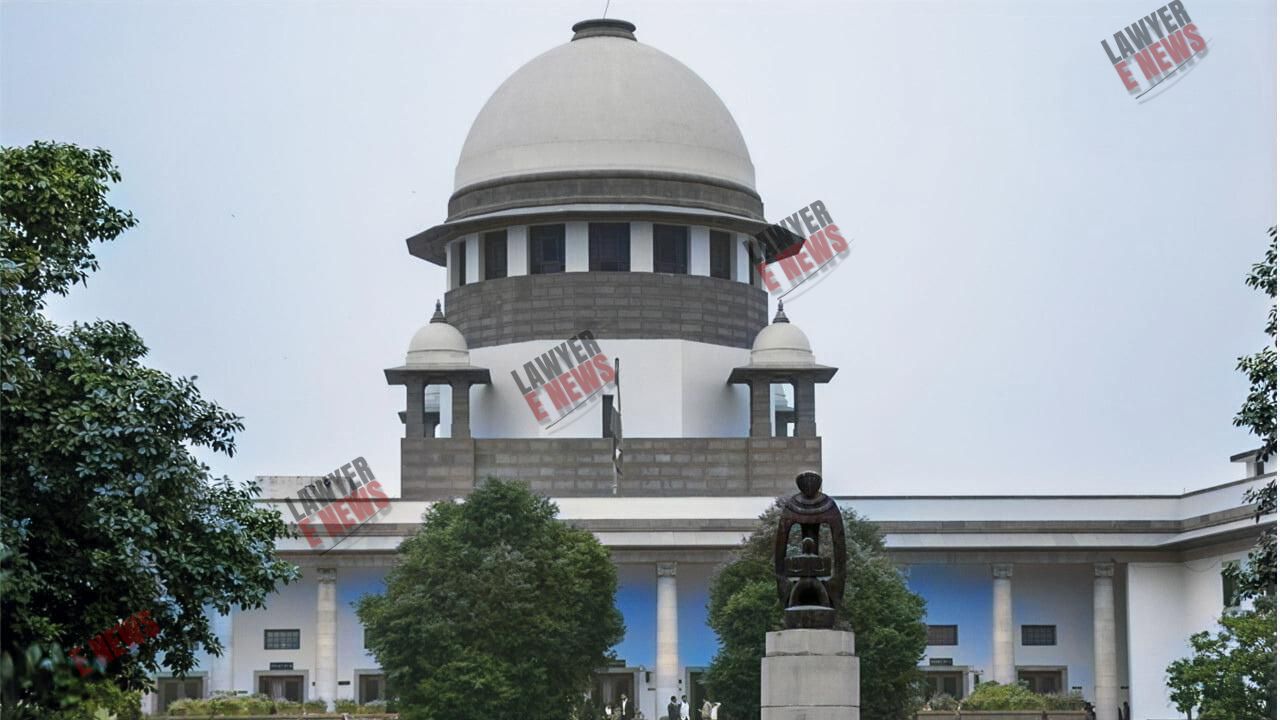
The Supreme Court has delivered a sweeping judgment against the Tripura Government’s decision to cancel multiple ongoing recruitment processes midway under its 2018 “New Recruitment Policy” (NRP). The Court ruled that statutory recruitment rules, framed under Article 309 of the Constitution, cannot be overridden by executive instructions.
A bench of Justice J.K. Maheshwari and Justice Rajesh Bindal observed: “Once the process of recruitment has commenced under statutory rules, it cannot be derailed by an executive policy. Where the field is occupied by legislation, executive orders cannot supplant the law; they may only supplement it.”
Statutory Rules Trump Executive Policies
The dispute arose after Tripura’s new government, elected in 2018, halted all recruitments with an “Abeyance Memorandum” and soon after cancelled them citing its NRP, which reduced interview weightage and abolished interviews for Group-D posts. Candidates who had already cleared written examinations and even appeared for interviews challenged the move.
Upholding their claims, the Court declared that the NRP had no statutory backing and could not retrospectively nullify recruitment processes already at advanced stages. “The New Recruitment Policy was consciously given prospective effect. Applying it to recruitments that had commenced years earlier is contrary to its own terms and to constitutional principles of fairness,” the bench said.
“Legitimate Expectation” of Candidates Must Be Protected
While reiterating that candidates do not acquire an automatic right to appointment merely by being in a merit list, the Court stressed their right to a fair process. Citing the doctrine of legitimate expectation, it held: “Citizens repose trust in the State. Recruitment processes carried out under statutory rules create a legitimate expectation that they will be concluded fairly. Such expectation cannot be frustrated by arbitrary executive action under the garb of policy.”
The State had argued that cancelling recruitments served “larger public interest” by ensuring transparency. The Court rejected this justification, stating: “No material has been placed before us to show that the ongoing processes under statutory rules were opaque or unfair. On the contrary, abandoning them after candidates had cleared written examinations is antithetical to public interest.”
Relief for Thousands of Aspirants
The judgment affects three major recruitments in Tripura: Enrolled Followers in the Tripura State Rifles (Group-D posts), Tripura Civil and Police Services Grade-II (Group-A posts), and Inspectors of Boilers (Group-A posts).
The Court directed that TSR recruitment be completed within two months, the TCS and TPS processes within four months, and the Inspector of Boilers appointments within two months.
Concluding, the bench declared: “The State has failed to demonstrate any overriding public interest to justify cancellation. The cancellation of ongoing recruitment processes is arbitrary, unjust, and unsustainable in law. Rules of the game cannot be changed after the game has begun.”