-
by sayum
23 August 2026 2:56 PM







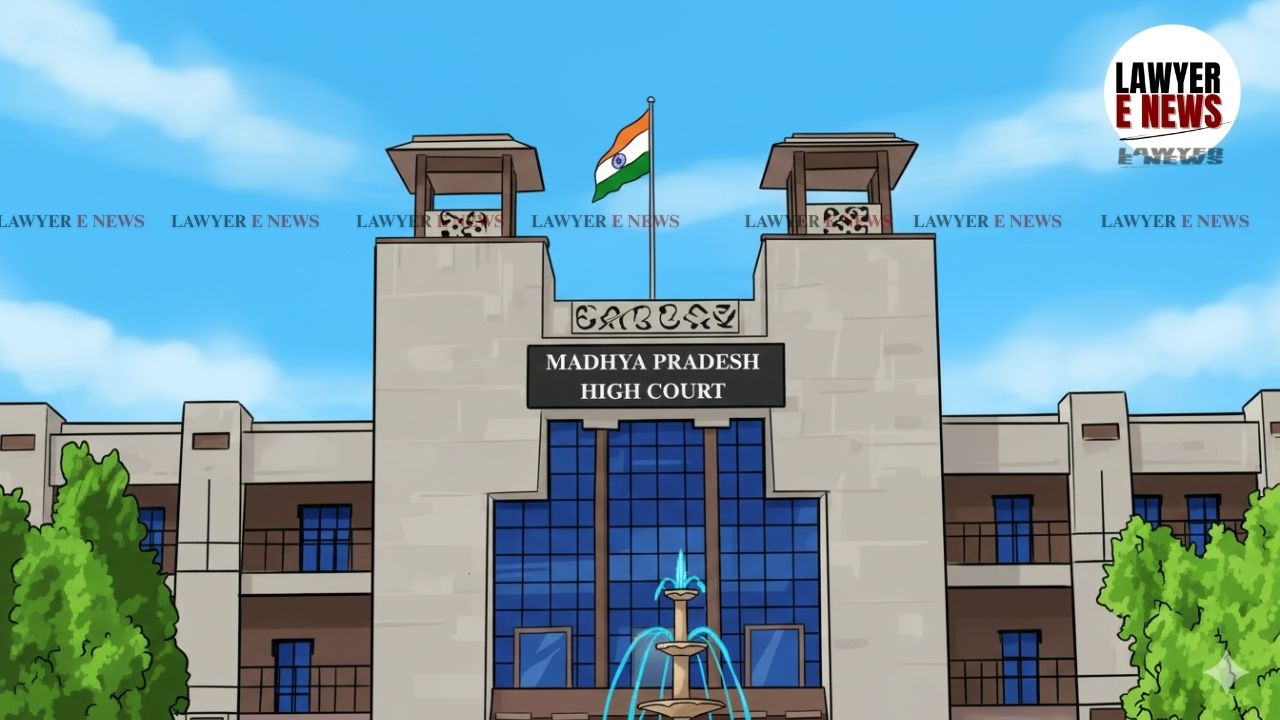
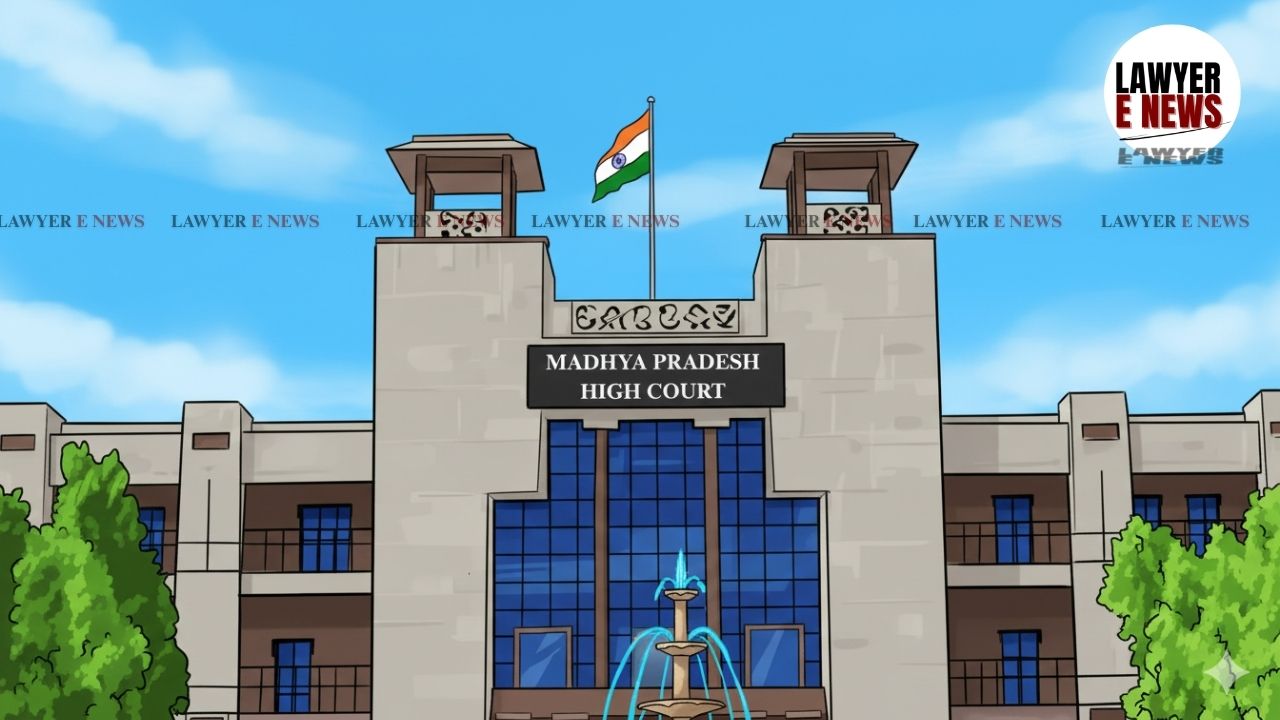
“Same Parties, Same Land, Same Claim – Second Suit is Barred”, In a decisive reaffirmation of the doctrine of res judicata, the Madhya Pradesh High Court on January 4, 2024, dismissed Second Appeal filed by Sahablal and others against Ramesh and others, upholding the concurrent findings of both the trial and appellate courts which had rejected the plaintiffs’ suit for declaration and injunction over ancestral agricultural land on the ground that the matter had already been conclusively adjudicated in prior litigation.
Justice Rajendra Kumar Vani, sitting in civil appellate jurisdiction, held that “the issue in the present suit was directly and substantially in issue in the earlier suit filed by the plaintiffs’ forefathers, and adjudicated up to second appeal. Thus, the subsequent suit is barred by principles of res judicata.”
“You Cannot Re-Litigate What Has Been Finally Decided—Merely by Labeling It as Adverse Possession”
The plaintiffs, descendants of Amira, had filed the suit claiming declaration of title and injunction over specific survey numbers forming part of ancestral agricultural land. They admitted the existence of prior litigation by their ancestors over the same land against the same defendants—descendants of Dadu. That earlier suit (Civil Suit No. 77-A/1991) had been dismissed, and the judgment was upheld in First Appeal No. 5-A/1992 and Second Appeal No. 423/1994, which was finally dismissed by the High Court on 29 July 2011.
Nearly six years later, in 2017, the plaintiffs filed a fresh suit and attempted to revive their claim—this time introducing, by way of amendment, a plea of adverse possession. However, the Court found that this new claim was “not only belated but legally untenable.”
Justice Vani noted, “No exact date, no specific pleadings, and no manner of hostile possession have been pleaded. Mere omnibus assertions without any foundational facts are insufficient to sustain a plea of adverse possession.”
The Court found that the so-called change in cause of action was illusory. “In both suits, the relief sought is declaration and injunction on the basis of title. The only addition is a desperate and belated claim of adverse possession after all previous forums rejected the claim of title.”
“Res Judicata Can Be Decided as Preliminary Issue Where Facts Are Undisputed”
Rejecting the appellants’ argument that the issue of res judicata involved mixed questions of law and fact and therefore could not be decided as a preliminary issue, the Court cited the Supreme Court’s decisions in Abdul Rahman v. Prasony Bai [(2003) 1 SCC 488] and Jamia Masjid v. K.V. Rudrappa [2021 SCC OnLine SC 792], to hold:
“If the relevant facts are admitted and the pleadings from the earlier litigation are on record, the court can, and in fact should, decide res judicata as a preliminary issue to avoid unnecessary prolongation of litigation.”
The Court observed, “Here, the identity of the parties, subject matter, and relief sought are all identical. The previous suit was dismissed on merits and confirmed up to second appeal. Therefore, the bar under Section 11 CPC clearly applies.”
“Section 100 CPC is Not a Forum to Re-Appreciate Facts or Re-Litigate Settled Issues”
Addressing the scope of Second Appeal under Section 100 CPC, the Court emphasized that such an appeal lies only on substantial questions of law, not on questions of fact or equitable considerations.
Justice Vani stated, “The High Court is not permitted to revisit findings of fact unless shown to be perverse or based on no evidence. Here, there is no perversity. Both courts below rightly dismissed the suit as barred.”
Citing the Supreme Court’s observations in Municipal Committee, Hoshiarpur v. Punjab SEB [(2010) 13 SCC 216], the Court reiterated that:
“A second appeal cannot be decided merely on equitable grounds… The existence of a substantial question of law is a sine qua non for the exercise of jurisdiction under Section 100 CPC.”
Further citing Damodar Lal v. Sohan Devi [(2016) 3 SCC 78], the Court reminded that perversity must be clearly demonstrated and cannot be presumed.
“Finality of Litigation Must Be Respected—Legal System Cannot Allow Endless Rounds of Forum Shopping”
In a telling remark, the Court noted that the plaintiffs had participated in litigation over the same land for decades—beginning in 1985—and only after exhausting all remedies, sought to restart the same cause by merely altering legal labels.
“Litigation must come to an end. The doctrine of res judicata is a fundamental bar to prevent multiplicity of suits and harassment to the opposite party,” the Court stated.
It concluded that there was no substantial question of law involved and that the findings of the courts below were sound, well-reasoned, and in accordance with law.
Judgment Affirmed, Second Appeal Dismissed
Justice Rajendra Kumar Vani thus dismissed Second Appeal No. 564 of 2022 in limine, affirming the judgments dated 24.09.2019 of the IV Civil Judge, Class I, Betul and 09.09.2021 of the Principal District Judge, Betul. The bar of res judicata was rightly applied and the second suit was held non-maintainable.
Date of Decision: 04 January 2024