-
by sayum
25 August 2026 12:32 PM







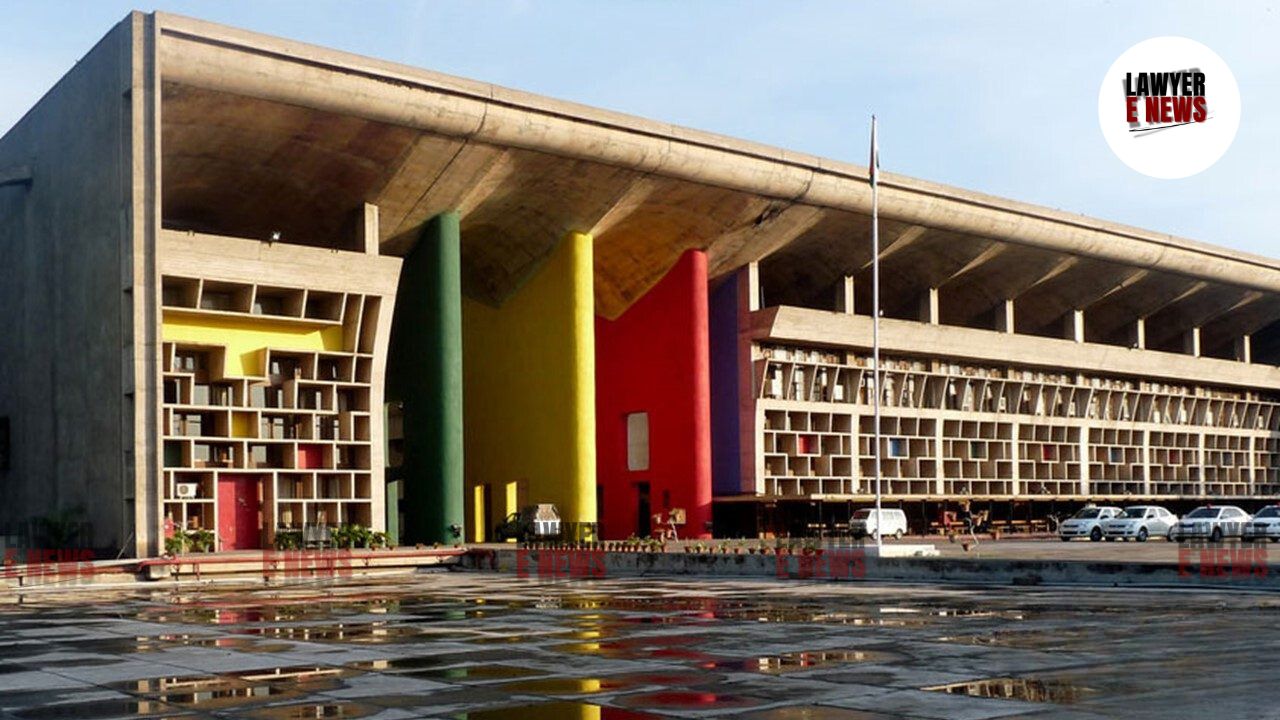
In a significant ruling, the Punjab and Haryana High Court ordered a Central Bureau of Investigation (CBI) probe into an alleged land compensation fraud case, transferring the investigation from the state authorities. The decision, delivered by Justice Jasjit Singh Bedi, underscores the necessity of an unbiased investigation due to allegations of local political interference and compromised inquiry by state officials.
The case revolves around the disputed inheritance and subsequent compensation of land owned by the late Lt. General Sant Singh in Village Dakha, Ludhiana. The petition was filed by Suneet Kaur, the granddaughter of the deceased, challenging the validity of affidavits and actions undertaken by her relatives, including her aunt Amarjeet Kaur and cousins Geetinder Kaur and Sanjeet Kaur. The land in question was acquired by the National Highway Authority of India (NHAI) for the Delhi-Katra Express Highway, with compensation deposited in the court due to ongoing litigation over inheritance rights.
The court noted that Amarjeet Kaur, using powers of attorney from her daughters, falsely claimed there was no pending litigation on the property to secure compensation. Despite receiving substantial amounts, her daughters were exonerated based on questionable legal opinions that the power of attorney absolved them of liability.
Justice Bedi highlighted the interference of Ahbaab Singh Grewal, a senior functionary in Punjab, who played a pivotal role in facilitating the fraudulent actions. The court emphasized the failure of the state investigation to address Grewal's involvement and the evident bias in exonerating key individuals based on inadequate legal rationale.
Citing multiple precedents, the court asserted its authority to transfer investigations to CBI even post submission of chargesheets if the local inquiry is compromised. The judgment referenced notable cases like State of West Bengal vs. Committee for Protection of Democratic Rights West Bengal and Rubabbudin Sheikh vs. State of Gujarat, reinforcing the judiciary’s role in ensuring impartial investigations.
Justice Jasjit Singh Bedi remarked, “The active role of respondent No.5 and others in perpetrating the fraud and interfering with the investigation cannot be ruled out. Therefore, in order to ensure a free, fair and unbiased investigation, the Central Bureau of Investigation (CBI) is directed to conduct the investigation.”
The High Court’s directive to the CBI reflects a robust stand against compromised state inquiries, ensuring justice in complex fraud cases involving significant political influence. The ruling aims to reinforce the credibility of the judicial process and fair investigation standards. This decision is anticipated to set a precedent for handling similar cases in the future, where local investigations may be susceptible to external influences.
Date of Decision: July 2, 2024