-
by sayum
30 August 2026 4:28 AM







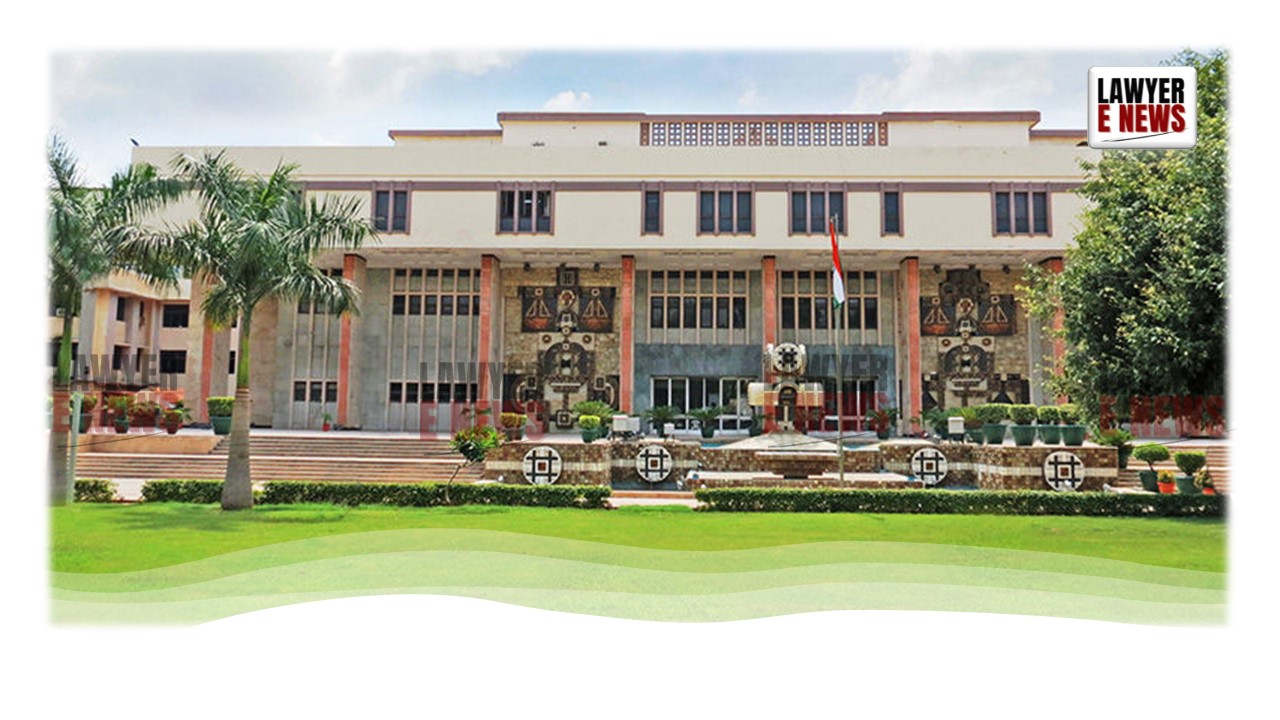
“The fact that IIL provides an option for a seller to choose the brand of its products… cannot, prima facie, be held to be a ground to hold that it aids and abets the infringer in displaying counterfeit products” - Delhi High Court pronounced a significant judgment in the case of IndiaMART Intermesh Ltd. v. PUMA SE , clarifying the contours of intermediary liability and the scope of trademark infringement under the Trade Marks Act, 1999 and the Information Technology Act, 2000. The Division Bench of Justices Vibhu Bakhru and Tara Vitasta Ganju set aside the interim injunction granted by a Single Judge, which had restrained IndiaMART from providing “PUMA” as a brand name in the drop-down menu for seller registration.
The Court held that merely providing “PUMA” as a drop-down suggestion to sellers does not constitute infringement under Section 29 of the Trade Marks Act, nor does it automatically strip the intermediary of “safe harbour” protection under Section 79 of the IT Act.
Allegation of Counterfeit Listings and Trademark Misuse
PUMA SE, a global sportswear brand, alleged that IndiaMART, a B2B e-commerce intermediary, was facilitating trademark infringement by allowing sellers to list counterfeit products as “PUMA” goods through its online registration form, which included a drop-down menu containing brand names including “PUMA”.
PUMA filed a suit [CS(COMM) 607/2021] before the Single Judge, seeking a permanent injunction against IndiaMART’s use of its trademark and removal of infringing listings. The Single Judge, in an order dated January 3, 2024, held that IndiaMART’s conduct amounted to trademark infringement under Sections 29(1), (2), and (4) of the Trade Marks Act and rejected its defence under Section 79 of the IT Act.
Aggrieved, IndiaMART appealed to the Division Bench, arguing that its platform was merely a discovery and listing service, akin to a Yellow Pages directory, and that it neither encouraged nor facilitated counterfeit sales.
Whether Use of PUMA in the Drop-Down Menu Constitutes “Use” of Trademark?
The Court examined whether providing “PUMA” as a drop-down choice to sellers amounted to “use” under Section 2(2) and Section 29 of the TM Act. The Single Judge had earlier held that such use qualified as trademark use, especially when counterfeit goods were being listed by sellers under the PUMA name.
However, the Division Bench rejected this broad interpretation:
“The fact that a particular seller displays his advertisements under a particular sub-category describing products and services cannot lead to the conclusion that the very category is required to be eliminated.”
The Court emphasized that merely enabling sellers to describe their goods using brand names — even registered trademarks — does not per se constitute trademark use or infringement by IndiaMART.
Is IndiaMART Liable for Infringing Listings by Third-Party Sellers?
PUMA had argued that IndiaMART failed to verify sellers and enabled counterfeiters to sell goods by presenting themselves as genuine PUMA dealers.
While acknowledging that some counterfeit listings did exist, the Court held:
“A seller choosing the option ‘Puma shoes’ from the dropdown menu describes its products as Puma shoes. If the product is not a genuine Puma Product, this would be a clear case of counterfeiting… However, this cannot be imputed to IndiaMART without evidence of knowledge or complicity.”
The Court drew a critical distinction between providing infrastructure and knowingly facilitating infringement, holding that IndiaMART’s role was limited to cataloguing sellers, not consummating sales.
Is IndiaMART Entitled to Safe Harbour Protection Under Section 79 of the IT Act?
The Single Judge had held that IndiaMART lost protection under Section 79(1) of the IT Act because it was an “active participant” and failed to make “reasonable efforts” under Rule 3(1)(b)(iv) of the IT Rules, 2021.
The Division Bench disagreed and restored safe harbour status:
“We are unable to accept that, prima facie, the conditions contained in clauses (a), (b), and (c) of sub-section (2) of Section 79 of the IT Act are not satisfied.”
“The fact that IndiaMART provides a drop-down menu offering an option to describe products as PUMA-branded cannot lead to the conclusion that it aids and abets infringement.”
The Court emphasized that actual knowledge or specific notice of infringing listings is required to remove safe harbour protection, citing MySpace Inc. v. Super Cassettes Industries Ltd. (2017) and Shreya Singhal v. Union of India (2015).
Due Diligence Obligations of Intermediaries under IT Rules
The Court did, however, caution that IndiaMART must enforce stricter due diligence:
“The least that IIL can do is ensure that each of the sellers is aware of the requirement to not display counterfeit products and furnish an express undertaking to that effect.”
The Court observed that allowing repeat infringers to re-register with the same identity could amount to complicity, thereby undermining Section 79 protection.
Key Findings of the Judgment
Drop-down menu listing of PUMA does not amount to “use” of the trademark by IndiaMART under Section 2(2)(b)/(c) or Section 29 of the TM Act.
IndiaMART is an intermediary under Section 2(1)(w) of the IT Act and retains protection under Section 79(1), subject to adherence to due diligence.
There is no evidence of active complicity or shared intent to abet infringement by IndiaMART.
The listing process is comparable to Yellow Pages, and not a traditional e-commerce model like Amazon where end-to-end sale is facilitated.
IndiaMART must prevent previously banned sellers from re-registering, or it risks losing safe harbour protection under Section 79(3)(a) of the IT Act.
The Delhi High Court’s ruling is a landmark in balancing trademark enforcement with digital intermediary protection. It recognizes the technical realities of online listing platforms while emphasizing the importance of due diligence and reactive compliance upon notification of counterfeit goods.
The judgment affirms that platforms like IndiaMART cannot be mechanically held liable for every trademark misuse by third parties using their systems, unless they fail to act on specific complaints or are shown to be active participants in unlawful acts.
Date of Decision: June 2, 2025