-
by sayum
29 August 2026 3:15 PM







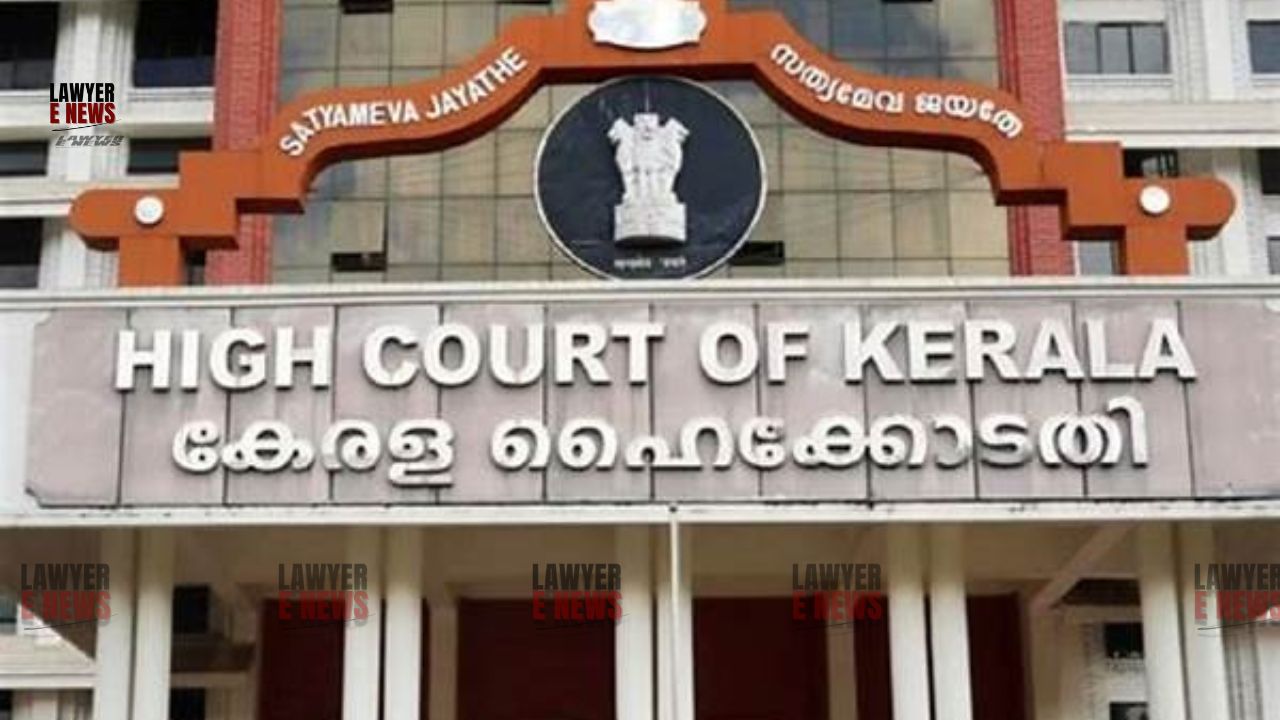
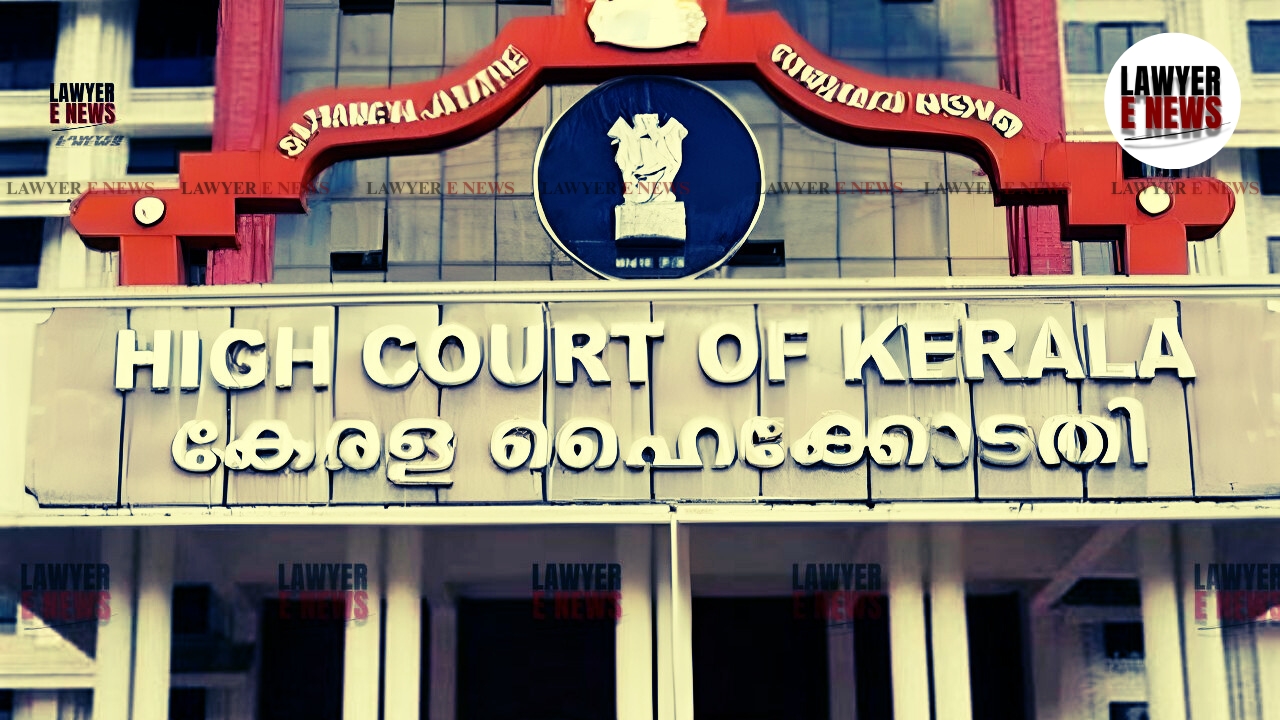
Charge Under Section 14B of Foreigners Act Misapplied; Entry Was on Valid Passport – In a significant ruling Kerala High Court held that the trial court had erroneously framed a charge under Section 14B of the Foreigners Act, 1946, despite the admitted fact that the petitioner—a Sri Lankan national—had entered India on a valid passport and visa. The Court found that Section 14B is applicable only in cases involving entry into India using a forged passport, which was not the allegation in the prosecution's own case. Accordingly, Justice V.G. Arun deleted the charge under Section 14B and replaced it with Section 14(b), which applies to violations of visa conditions. As a result, the Court also quashed the trial court’s order denying the petitioner’s application for plea bargaining under Section 290 of the Bharatiya Nagarik Suraksha Sanhita, 2023 (BNSS), and directed reconsideration.
The petitioner, Santhiran Pragashraj, is a Sri Lankan citizen accused in C.C. No. 383 of 2024 on the file of the Judicial First Class Magistrate Court-XI, Thiruvananthapuram. According to the prosecution, the petitioner entered India on a valid Sri Lankan passport and tourist visa (valid from 27 December 2021 to 26 February 2022). He allegedly overstayed beyond the visa period, and, with the help of another accused, fraudulently obtained an Aadhaar card, PAN card, and an Indian passport under a fictitious identity.
The prosecution charged him under Sections 465, 468, 471, 419 read with 34 IPC, Sections 12(1A) and 12(1)(b) of the Passport Act, 1967, and Sections 14(a) and 14B of the Foreigners Act, 1946.
Upon realizing that Section 14B carries a maximum sentence of 8 years, the petitioner’s application for plea bargaining under Section 290 BNSS was dismissed, as the BNSS permits plea bargaining only if the maximum sentence does not exceed 7 years. The petitioner challenged this dismissal, arguing that the inclusion of Section 14B was factually and legally unsustainable.
The core legal issue was whether Section 14B of the Foreigners Act, 1946 was rightly invoked in the absence of any allegation that the petitioner used a forged passport for entering India.
Justice V.G. Arun noted that the prosecution case itself states that the petitioner entered India legally using a Sri Lankan passport and a valid tourist visa, which expired on 26 February 2022. Thus, the essential condition for invoking Section 14B—use of a forged passport for entry—was absent.
Quoting Section 14B, the Court emphasized:
“Section 14B would come into play only when a person knowingly uses a forged passport for entering into India or remains therein without authority of law.” [Para 4]
However, in the charge framed (Annexure II), the trial court stated:
“...you...knowingly used the forged passport as genuine for entering into India and remain in India without the authority of law...” [Para 5]
This charge, the Court held, misrepresented the facts. The entry into India was lawful, and the alleged offences pertained to overstaying the visa and falsifying Indian identity documents, which would fall under Sections 14(a) and 14(b) of the Foreigners Act.
Effect on Plea Bargaining Eligibility
Due to the erroneous inclusion of Section 14B, which prescribes punishment up to 8 years, the petitioner was deemed ineligible for plea bargaining under Section 290 BNSS. However, as the High Court found that only Section 14(b) was applicable—carrying a maximum sentence of 5 years—the bar to plea bargaining no longer applied.
The Court thus quashed the order dated 11 March 2025, by which the Magistrate had dismissed the petitioner’s plea bargaining application (CMP No. 224 of 2025) and directed the trial court to reconsider the application based on the corrected charges.
After careful analysis, the Court allowed the Criminal Miscellaneous Case:
“The offence under Section 14B mentioned in the 8th charge in Annexure II is deleted and substituted with the offence under Section 14(b) of the Foreigners Act.” [Para 8]
It further ordered: “The order dated 11.03.2025 in C.C.No.383 of 2024 dismissing C.M.P.No.224 of 2025 is quashed, and the court below is directed to reconsider the petition based on the modified charge.” [Para 9]
This judgment affirms the principle that criminal charges must reflect the precise factual allegations and legal elements of the offence, especially where the choice of charge affects significant procedural rights, such as plea bargaining. The Kerala High Court’s decision ensures that misapplication of a more serious penal provision does not unjustly deprive an accused of the benefits of a fair and expedited trial process.
Justice V.G. Arun’s ruling also reiterates that courts must be vigilant in verifying statutory ingredients before framing charges, especially when a higher punishment can adversely impact the procedural rights of the accused. By correcting the error, the Court restores not only the correct legal classification but also the petitioner’s eligibility for legal remedies under the BNSS.
Date of Decision: 28 May 2025