-
by sayum
08 August 2026 1:54 PM







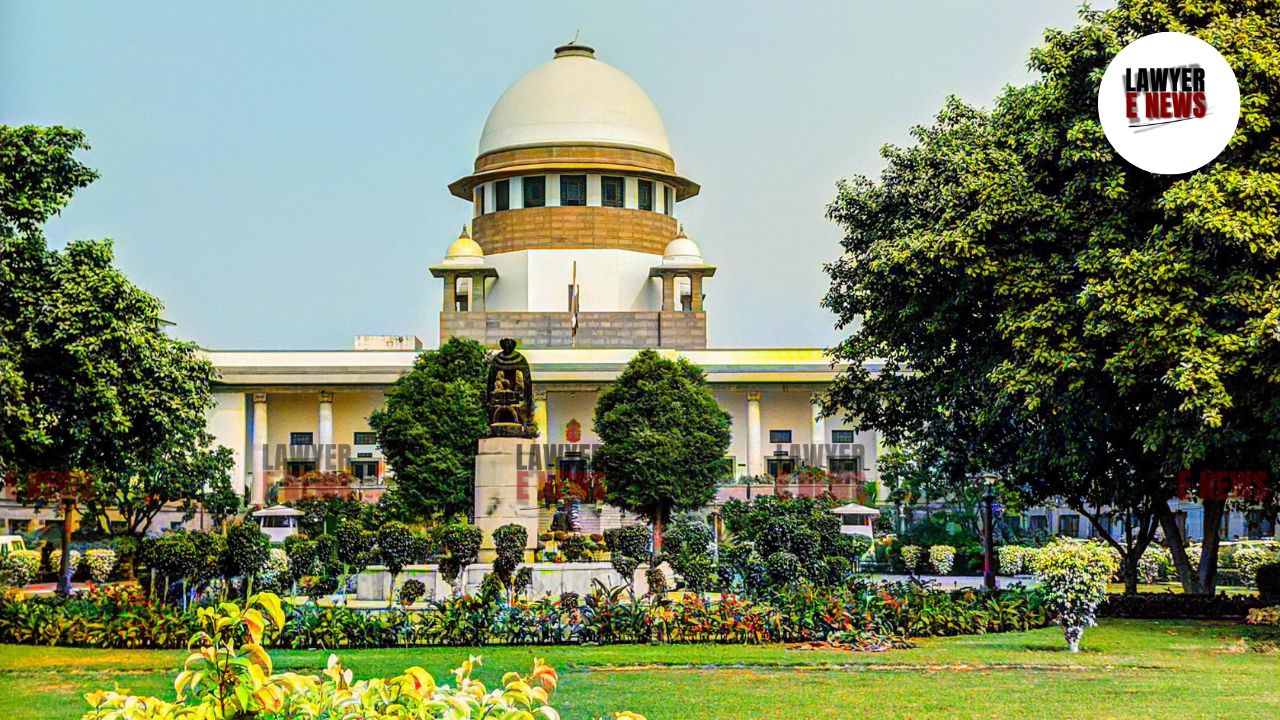
“Fine Equals Cheque Amount – No Double Recovery”: In a judgment, the Supreme Court of India upheld the conviction of the appellant under Section 138 of the Negotiable Instruments Act, 1881, for dishonour of a cheque of ₹10,00,000/-. The appeal challenged a High Court decision that reversed the acquittal by the trial court and imposed a fine. The Supreme Court refused to interfere, holding that the statutory presumption under Sections 118 and 139 NI Act stood unrebutted, and thus, the conviction and sentence were justified.
However, the Court, exercising leniency, granted the appellant three months to deposit the cheque amount, failing which he shall undergo six months’ simple imprisonment.
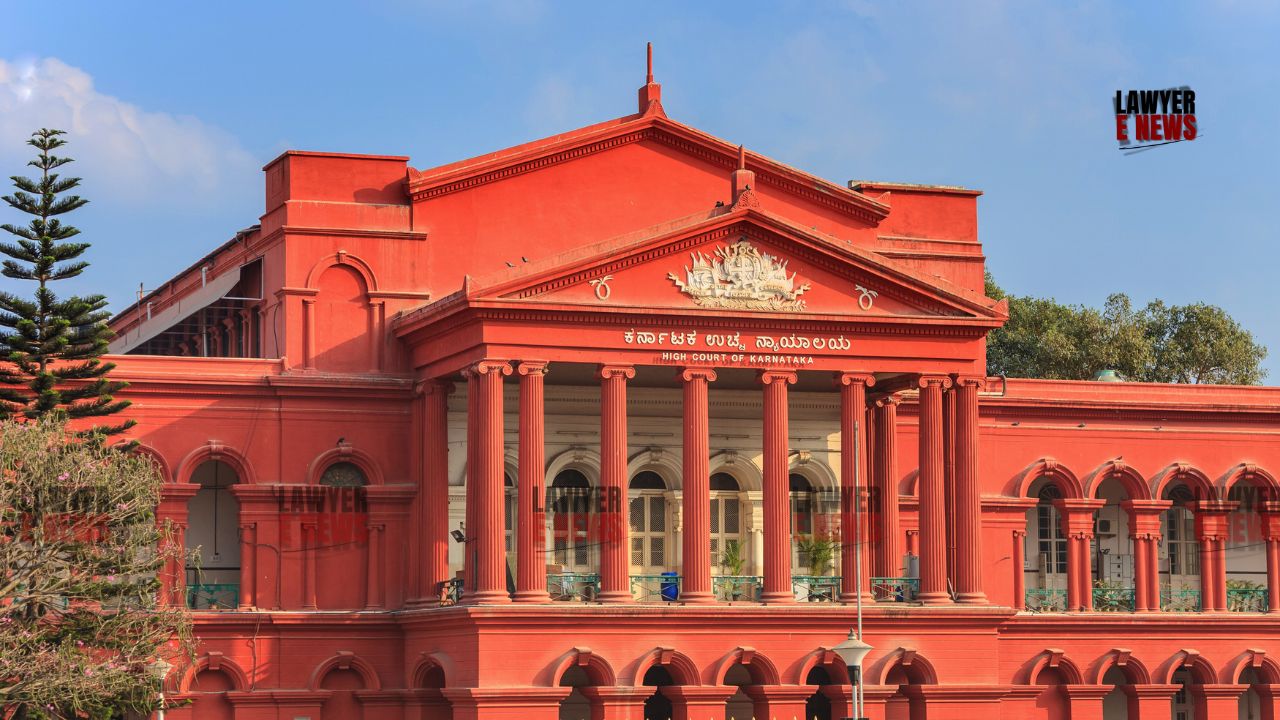
The case arose from a complaint filed by Sharanappa (respondent) under Section 138 NI Act alleging that Mohammad Ali (appellant) issued a cheque of ₹10,00,000/- which was dishonoured. The trial court had acquitted the accused on 6 January 2017. However, on appeal, the High Court of Karnataka at Kalaburagi Bench, by its judgment dated 9 October 2023, set aside the acquittal, convicted the appellant, and imposed a fine of ₹10,10,000/-.
The appellant was directed to pay ₹10,00,000/- as compensation under Section 357(1)(b) CrPC, with ₹10,000/- to be remitted to the State. The conviction and sentence were challenged before the Supreme Court.
Was the High Court justified in reversing the acquittal and convicting the appellant under Section 138 NI Act?
The appellant argued that “foundational facts” necessary to raise a presumption under Sections 118 and 139 NI Act were not established, and hence the presumption of liability could not arise.
Rejecting this contention, the Supreme Court categorically held:
“Even in the absence of any rebuttal evidence, the appellant cannot contend that there was an absence of foundational facts... The respondent had not only let in the foundational facts but had proved his case.” [Para 9]
The Court reiterated that once the complainant proves the issuance of the cheque and its dishonour, the burden shifts to the accused to rebut the presumption under Sections 118 and 139.
“The appellant failed to step into the witness box and let in any rebuttal evidence. The High Court was justified in reversing the judgment of acquittal.” [Para 7]
Was the compensation awarded by the High Court excessive or a case of double recovery?
The appellant claimed that the compensation of ₹10,00,000/- in addition to the fine of ₹10,10,000/- amounted to excessive punishment.
The Court clarified that:
“The respondent has not been paid any amount by way of compensation at all. He is ordered to be entitled to cheque amount of ₹10,00,000/- and no further amount, not even any compensation or interest.” [Para 13]
Referring to the decision in R. Vijayan v. Baby, (2012) 1 SCC 260, the Court noted:
“There is no separate levy of compensation over and above ₹10,00,000/-. In fact, out of ₹10,10,000/-, ₹10,00,000/- is payable to the complainant; ₹10,000/- is to be remitted to the State.” [Paras 12–14]
The Court thus found no substance in the argument of double recovery and upheld the fine and the sentence imposed by the High Court.
Relief Sought on Grounds of Time to Pay:
During the hearing, the appellant’s counsel requested additional time to pay the amount. Accepting this request, the Court allowed:
“Three months’ time from today to deposit the cheque amount and fine, failing which the appellant shall undergo the default sentence.” [Para 16]
The Court made it clear that no further extension or interference with the conviction or sentence was warranted.
The Supreme Court affirmed the High Court’s decision convicting Mohammad Ali under Section 138 NI Act and upheld the imposed fine. The Court reiterated the established principle that statutory presumptions under Sections 118 and 139 NI Act must be rebutted by the accused, and in their absence, conviction is justified.
“We do not find any reason to interfere... The sentence is not interfered with.” [Para 14]
The appeal was dismissed with modification only to the extent of granting three months’ time to pay the amount. No relief was granted on merits.
Date of Decision: 14 July 2025