-
by sayum
05 August 2026 3:07 PM







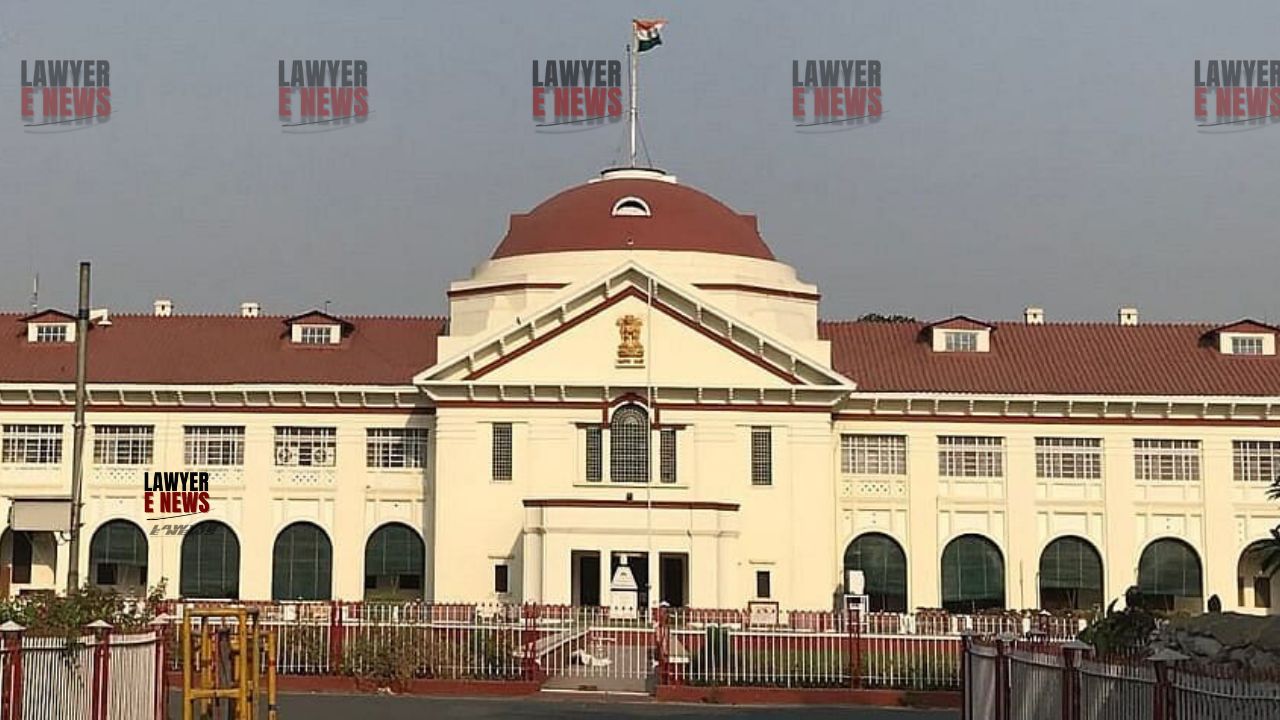
“There is absolutely no evidence that the firearm and cartridges were recovered from the exclusive possession of the accused” — Patna High Court, in a reportable judgment authored by Justice Bibek Chaudhuri, allowed Criminal Revision, acquitting Upendra Yadav @ Barhu Yadav, who was convicted under Sections 25(1-B)(a) and 26 of the Arms Act, 1959. The Court held that material contradictions in the evidence, particularly concerning the location of recovery and the type of ammunition seized, fatally undermined the prosecution’s case.
The conviction, which had been concurrently affirmed by the Trial Court and the First Appellate Court, was reversed by the High Court in its revisional jurisdiction under Section 401 read with Section 397 of the Code of Criminal Procedure, 1973.
“When Evidence Is Contradictory on the Core of the Prosecution’s Case, Conviction Cannot Be Sustained” — High Court Observes
The case arose from P.S. Case No. 85 of 2023 registered at Pali Police Station, District Jehanabad. The prosecution alleged that on 6 July 2023, the Station House Officer, while on evening patrol, received secret information that the petitioner was carrying illegal arms near a government irrigation cabin on his land. The police allegedly apprehended the petitioner near the spot and recovered a black country-made pistol and a live cartridge from his waist.
However, as the Court examined the seizure list (Exhibit P2) and the oral testimony, grave inconsistencies emerged.
Justice Bibek Chaudhuri noted: “According to the seizure list, firearm was not seized from the waist of the petitioner. It was allegedly recovered from beside a cabin on the petitioner’s land.” [Para 8]
Further, the type of cartridges allegedly recovered was another point of contradiction. The seizure memo mentioned “8mm KF” cartridges, but multiple prosecution witnesses, including the SHO, claimed recovery of “.315 bore” cartridges.
The Court remarked: “It is not believable or desirable that the police officers did not know the difference between the cartridges, especially when the police administration uses cartridges of .315 bore. Thus, there remains discrepancy as to the nature and neck of cartridges.” [Para 16]
Court Holds That Possession Was Not Proved Beyond Reasonable Doubt
The Court emphasized that the very essence of offence under Sections 25 and 26 of the Arms Act is illegal possession, whether actual or constructive.
However, the Court found no evidence to establish such possession:
“There is absolutely no evidence that the place from where the firearm and cartridges were allegedly recovered was under exclusive possession of the petitioner.” [Para 11]
The Court further expressed skepticism over the version that the accused fled on seeing police and was then caught, pointing out the lack of evidence on when and where he was apprehended:
“This casts a doubt as to whether the accused was actually apprehended or not.” [Para 12]
Revisional Intervention Justified Due to Perverse Findings
While revisional jurisdiction does not ordinarily permit re-appreciation of evidence, the Court justified its interference due to perversity in the findings of both the trial and appellate courts.
Justice Chaudhuri reasoned: “This Court is perfectly aware that appreciation of evidence is generally not permissible while exercising revisional jurisdiction unless the appreciation is absolutely perverse.” [Para 15]
“In the instant case, perversity is manifest when both the Courts below did not consider the contradiction regarding the nature of cartridges and the place of recovery.” [Para 16]
Conviction Set Aside, Accused Acquitted, Trial Court Directed to Destroy Seized Material
The Court allowed the revision and passed the following directions:
“The accused/petitioner be acquitted of the charge, set at liberty and released from his bail bond at once.” [Para 19]
“The seized material be destroyed after the expiry of the period of limitation for Special Leave to Appeal.” [Para 22]
Prosecution Must Prove Possession, Not Assume It Based on Presence or Allegation
In setting aside the conviction, the Patna High Court reaffirmed the core criminal law principle that the prosecution bears the burden to prove possession — not merely allege it. The judgment underscores that contradictory and unreliable evidence cannot be the foundation of a conviction, especially in offences that require strict proof of possession and intention.
The verdict is a reminder that procedural fairness and evidentiary rigour remain indispensable in arms-related prosecutions, and any lapse or fabrication in the process will vitiate the case, no matter how grave the charge.
Date of Decision: 22 July 2025