-
by sayum
05 August 2026 3:07 PM







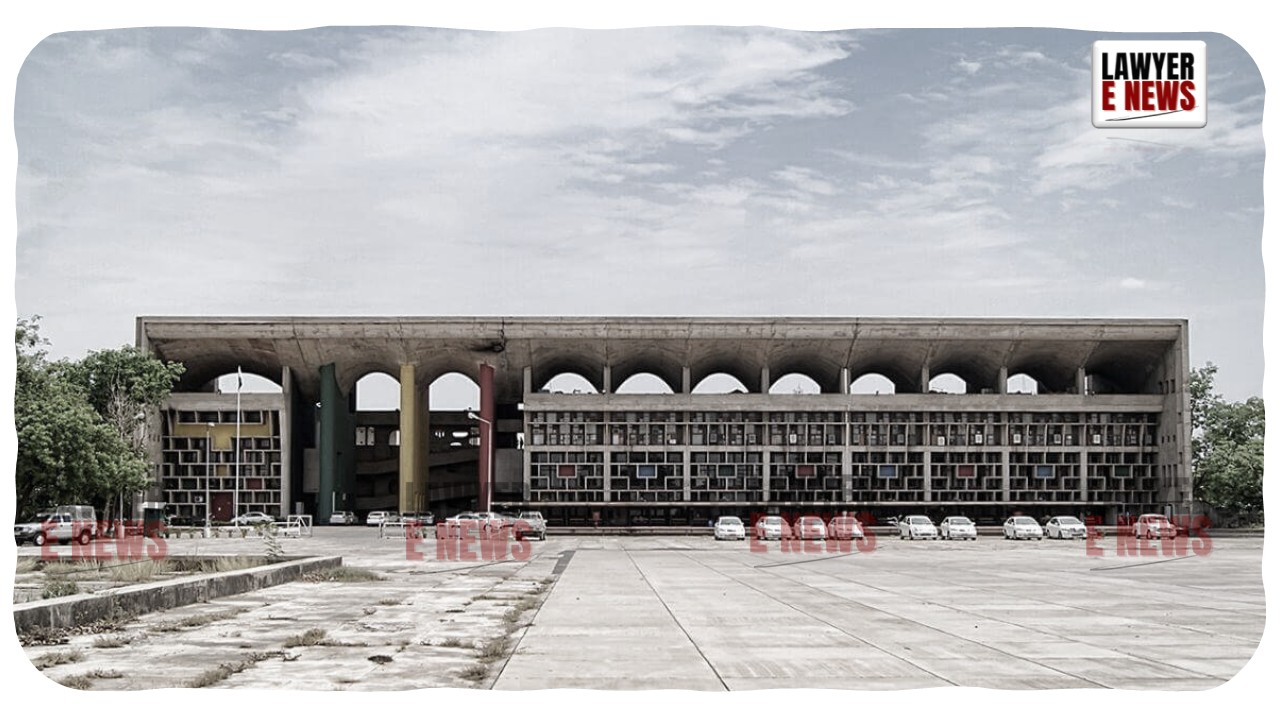
“When litigation involves possession rights and injunctions, denial of evidence opportunity without just cause could result in irreparable injustice”: On 18th July 2025, the High Court of Punjab and Haryana at Chandigarh, through Justice Vikas Bahl, delivered a significant, quashing a lower court's order which had prematurely closed the plaintiff’s evidence. The High Court reinforced the principle that litigants should not be unduly punished for inadvertent lapses caused by communication gaps with their counsel, particularly in suits involving possession and injunction rights.
The petitioner Rajbir had instituted a suit for possession accompanied by a consequential relief of permanent injunction before the Civil Judge (Junior Division), Sonipat. Due to what was described as a “communication gap between the petitioner and his counsel,” the petitioner failed to lead his complete evidence, resulting in the trial court closing his evidence by order dated 20.05.2025. Aggrieved by this, Rajbir approached the High Court under Article 227 of the Constitution of India, seeking to set aside the said order.
Counsel for the petitioner argued that the absence of any interim injunction in the petitioner’s favor placed him at a significant disadvantage, and the closure of evidence without an opportunity to explain the lapse would cause irreparable harm. It was further submitted that the petitioner was ready to compensate the respondents by paying reasonable costs.
Justice Vikas Bahl observed that the nature of the suit—one for possession and injunction—warranted a careful approach to ensure that the petitioner’s right to present his case was not unjustly foreclosed. In a pivotal observation, the Court stated:
“Considering the fact that there is no injunction in favor of the petitioner and any delay would primarily prejudice the petitioner himself, the denial of an opportunity to lead evidence would cause irreparable harm.”
The Court highlighted that, in equity and fairness, procedural rules should not be wielded in a manner that obstructs substantive justice, particularly when the litigant was willing to compensate the other party for any inconvenience caused.
Setting aside the trial court’s order, the High Court allowed the petitioner two effective opportunities to conclude his entire evidence, at his own responsibility. The Court imposed a cost of ₹30,000 to be paid by the petitioner to the three private respondents (₹10,000 each), with clear directions:
“The petitioner shall produce all witnesses on 23.07.2025, which is the next date of hearing, and must conclude his evidence in two effective opportunities. Non-deposit of the costs by 23.07.2025 shall result in automatic dismissal of the revision petition.”
Further balancing the rights of the respondents, the Court clarified that they would be afforded adequate opportunity to cross-examine the petitioner’s witnesses.
Importantly, the High Court exercised restraint by not issuing notice to the respondents to avoid further delays but allowed them the liberty to approach the Court to recall the order if any statement made by the petitioner was found to be incorrect.
Judicial Caution Against Procedural Rigidity
Justice Bahl’s ruling underscores the judiciary’s commitment to a balanced approach—upholding discipline in legal proceedings while ensuring that substantive rights are not sacrificed at the altar of procedural lapses:
“Where a litigant is ready to rectify procedural errors by compensating the adversary and where the absence of evidence opportunity would result in irreversible prejudice, courts must lean towards granting limited remedial relief,” the Court noted.
In essence, the High Court emphasized that judicial discretion must be exercised pragmatically, especially in matters involving possession and injunction claims where evidence plays a critical role in establishing rights. The ruling stands as a precedent reiterating that the administration of justice must ultimately prevent miscarriage of rights through a measured balance of procedural discipline and substantive fairness.
Date of Decision: 18 July 2025