-
by sayum
26 August 2026 9:49 AM







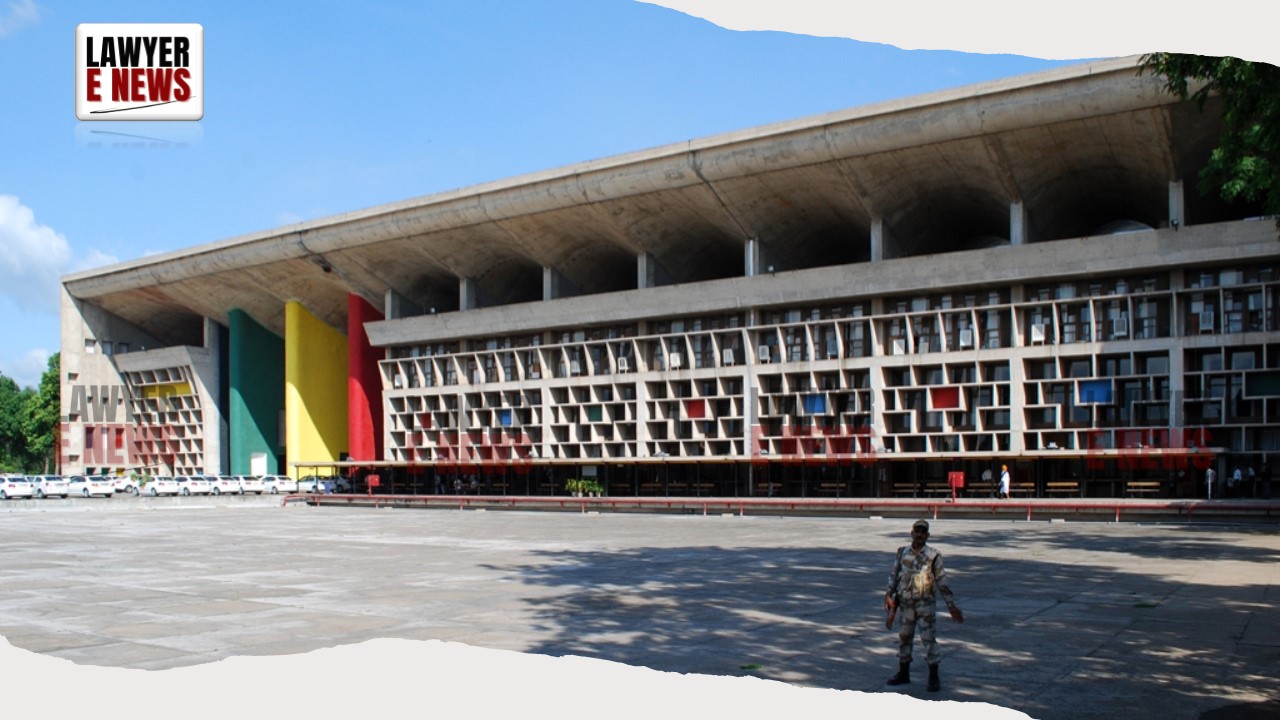
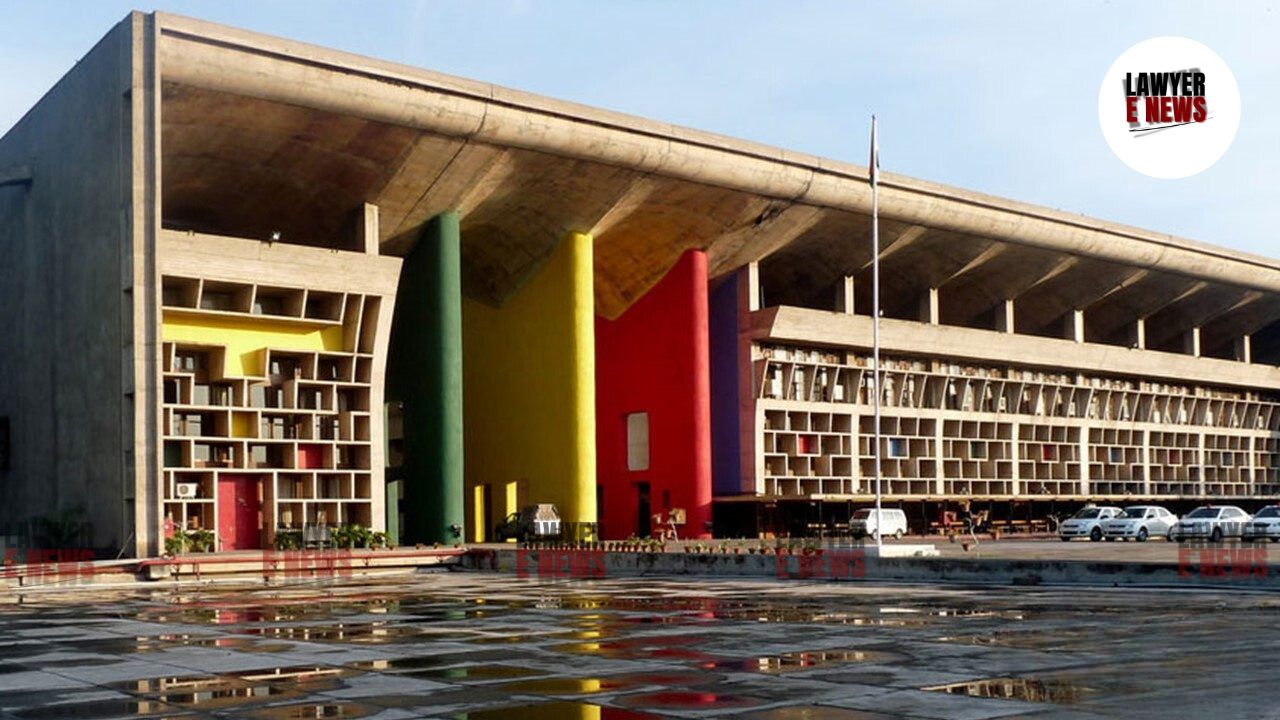
"Strict rules of evidence do not apply to service enquiries; procedural fairness suffices" —In a important judgment Punjab and Haryana High Court delivered a significant ruling in the field of service jurisprudence and disciplinary proceedings, restoring the termination of a Haryana Roadways conductor who had been dismissed for embezzling fare from 22 passengers without issuing tickets.
Justice Sudeepti Sharma, set aside the reversal made by the First Appellate Court and upheld the validity of departmental enquiry and dismissal, despite the non-examination of passengers, holding that strict rules of criminal evidence are not applicable to domestic inquiries.
Referring to the binding precedent of the Supreme Court in State of Haryana v. Rattan Singh, 1977 PLR 492, the Court observed: “Merely because passengers were not examined during the enquiry would not vitiate the proceedings if the official witnesses gave cogent evidence and the delinquent had full opportunity to defend.”
Termination Upheld After Full Compliance With Natural Justice Principles
The respondent, Nafe Singh, was a permanent conductor in Haryana Roadways (Jind Depot) and was dismissed from service on 1 May 1997 for misconduct. The incident in question occurred on 20 September 1993, when his bus was checked by Haryana Roadways inspectors at Dhuri while plying from Alwar to Ludhiana.
According to the inspection report, the conductor had collected ₹154 from 22 passengers who were travelling without tickets. Although the passengers were not examined during the enquiry, the report was supported by the statements of two official inspectors — Rohtash and Ramdia — and corroborated by documentary evidence.
Despite the dismissal being upheld by both the Appellate Authority and Financial Commissioner, the Additional District Judge-II, Jind reversed the dismissal order in appeal solely on the ground that the passengers’ statements were not recorded — a reasoning which the High Court found fundamentally flawed.
The High Court observed: “Respondent was served with a chargesheet, had access to the enquiry officer, was allowed to cross-examine witnesses, and was granted personal hearing. Therefore, procedural fairness was satisfied and the termination was validly passed.”
Domestic Enquiry Need Not Follow IPC or CrPC Standards
The core issue in the appeal was whether non-examination of passengers during the enquiry invalidated the disciplinary action. Justice Sudeepti Sharma categorically rejected this contention, stating:
“In departmental proceedings, rules of natural justice must be followed but rules of evidence applicable to criminal trials do not bind such enquiries.”
Citing the Supreme Court’s ratio in Rattan Singh: “All that the rules of natural justice require is that the person concerned should have a fair hearing and that the enquiry should be conducted in a bona fide manner. There is no legal obligation to examine all witnesses in the nature of a regular criminal trial.”
The Court also noted that the respondent himself failed to produce any of the passengers to rebut the charges or to claim he had issued them tickets. Thus, there was no procedural infirmity or denial of opportunity.
Distinguished Judgments Cited by Respondent
Counsel for the respondent relied on Mohinder Singh v. Delhi Transport Corporation (SLP(C) No. 33473/2016) and State of Haryana v. Bikar Singh (RSA-3273-1999). However, the High Court found both cases factually inapplicable, noting:
“In those cases, the record showed that tickets were being issued at the time of checking or that there was no conclusive evidence of fare collection without ticket issuance — unlike the present case where the conductor had already collected money from 22 passengers and failed to issue tickets.”
Review of Disciplinary Process: Full Compliance with Due Process
The Court meticulously reviewed the entire sequence of the disciplinary proceedings, confirming that:
Chargesheet (Ex.D-2) was duly served and acknowledged by the respondent.
Enquiry Officer was appointed (Ex.D-4), and respondent was given opportunity to respond.
Official witnesses (Ex.D-6 and Ex.D-7) were examined and cross-examined.
Enquiry report (Ex.D-10) concluded guilt based on clear evidence.
Show cause notice (Ex.D-11) and personal hearing (Ex.D-13) were granted.
Termination order (Ex.D-14) was passed after following all formalities.
The High Court found that each stage of natural justice was followed — from chargesheet to hearing — and that there was no procedural lapse warranting interference.
First Appellate Court Committed Legal Error in Setting Aside Dismissal
In setting aside the judgment of the Additional District Judge-II, Jind dated 23 January 2006, the High Court held:
“The First Appellate Court misdirected itself by resting its conclusion solely on the non-examination of passengers — a ground already negated by the Supreme Court in Rattan Singh.”
Accordingly, the Regular Second Appeal filed by the State of Haryana was allowed, the appellate decree was set aside, and the trial court’s dismissal of the suit was restored.
This ruling is a reaffirmation of the settled law that domestic enquiries must adhere to principles of natural justice, but are not bound by technicalities of evidence law. It protects the integrity of internal disciplinary processes and warns against overturning dismissal orders on hyper-technical grounds.
The judgment also underscores the responsibility of conductors and public service employees who handle public funds, stressing that accountability cannot be compromised in public transport administration.
Date of Decision: 15 December 2025