-
by sayum
09 August 2026 5:52 AM







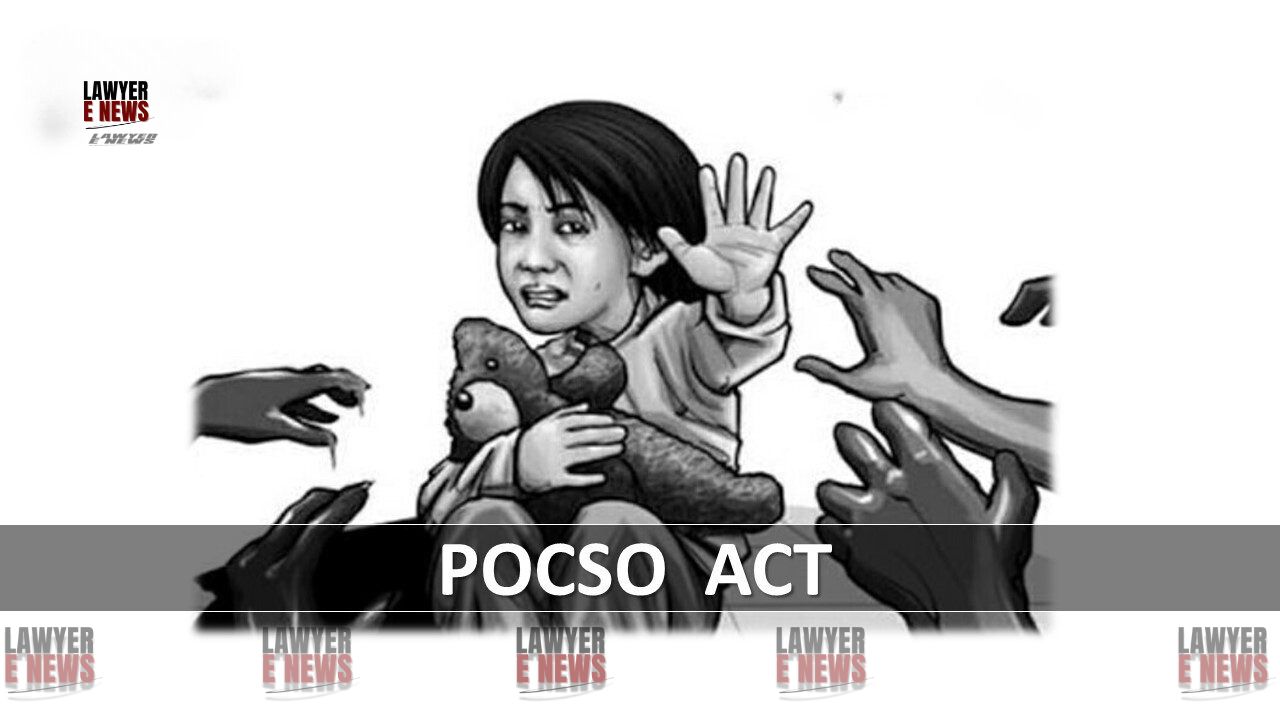
“Bar Under Article 20(1) of the Constitution Is Clear and Absolute” — In a significant affirmation of constitutional protection against retrospective penal laws, the Supreme Court of India held that a person cannot be subjected to a harsher punishment than what was prescribed at the time of the offence. While upholding the conviction of the appellant under Section 6 of the Protection of Children from Sexual Offences (POCSO) Act, the Court modified the sentence of imprisonment for remainder of natural life to regular life imprisonment, as it stood prior to the 2019 amendment.
“The Constitutional bar against retrospective imposition of a harsher penalty under Article 20(1) is clear and absolute,” said the Bench of Justice Vikram Nath and Justice Sandeep Mehta, partially allowing the appeal limited to the question of sentencing.
On May 20, 2019, a horrific crime was reported from Kondagaon, Chhattisgarh. The appellant, Satauram Mandavi, was accused of sexually assaulting a five-year-old girl. The FIR was lodged by the victim's father after the child went missing while her parents attended a wedding. When the mother confronted the appellant about the child’s whereabouts, he allegedly fled from the house, triggering immediate suspicion.
Subsequent investigation led to the framing of charges under Section 376AB of the IPC and Section 6 of the POCSO Act, which deals with aggravated penetrative sexual assault. The Trial Court, on November 30, 2021, convicted the appellant and sentenced him to life imprisonment for the remainder of his natural life and imposed a fine of ₹10,000.
The High Court of Chhattisgarh, on September 5, 2023, upheld both conviction and sentence, stating that:
“No leniency could be shown in light of the fact that the victim was a five-year-old child and the crime committed was of a grave and heinous nature.”
Aggrieved, the appellant approached the Supreme Court, which issued notice limited to the question of sentence.
Whether the Enhanced Sentence Under the 2019 POCSO Amendment Can Apply Retrospectively
The appellant argued that although the conviction under Section 6 of the POCSO Act was sustainable, the sentence of life imprisonment for the remainder of natural life was illegal, as the offence occurred on May 20, 2019, but the amendment enhancing punishment came into force only on August 16, 2019.
“The sentencing court erred in applying the amended provision of Section 6 retrospectively,” submitted counsel for the appellant.
The State of Chhattisgarh opposed any modification, citing the grave nature of the crime, but could not justify the retrospective application of the amended sentence.
“No Person Shall Be Subjected to a Penalty Greater Than That Permissible at the Time of Offence”
The Court referred to Article 20(1) of the Constitution, which provides: “No person shall be convicted of any offence except for violation of a law in force at the time... nor be subjected to a penalty greater than that which might have been inflicted under the law in force at the time of the commission of the offence.”
Highlighting that the amended version of Section 6 came into force on August 16, 2019, the Court noted:
“The sentence of ‘imprisonment for life, meaning remainder of natural life’ did not exist in the statutory framework on 20.05.2019, the date of the incident.”
Under the unamended Section 6, the punishment ranged from a minimum of 10 years to life imprisonment in its traditional sense, not for the natural life of the convict.
“The Trial Court, in applying the enhanced sentence introduced by the 2019 Amendment, has effectively subjected the appellant to a punishment greater than that which was permissible… which is clearly violative of the bar contained in Article 20(1),” the Court held.
While the conviction under Section 6 of the POCSO Act was upheld due to the strength of the evidence and the nature of the crime, the Court partly allowed the appeal, modifying the sentence as follows:
“We modify the sentence to that of rigorous imprisonment for life, as understood under the unamended statute, and set aside the sentence of imprisonment for the remainder of the natural life.”
The fine of ₹10,000/- imposed by the Trial Court was maintained.
“The appeal is partly allowed as per the findings above,” concluded the Court, reinforcing once again that constitutional protections cannot be compromised, even in the face of heinous crimes.
Date of Decision: July 25, 2025