-
by sayum
30 August 2026 4:28 AM







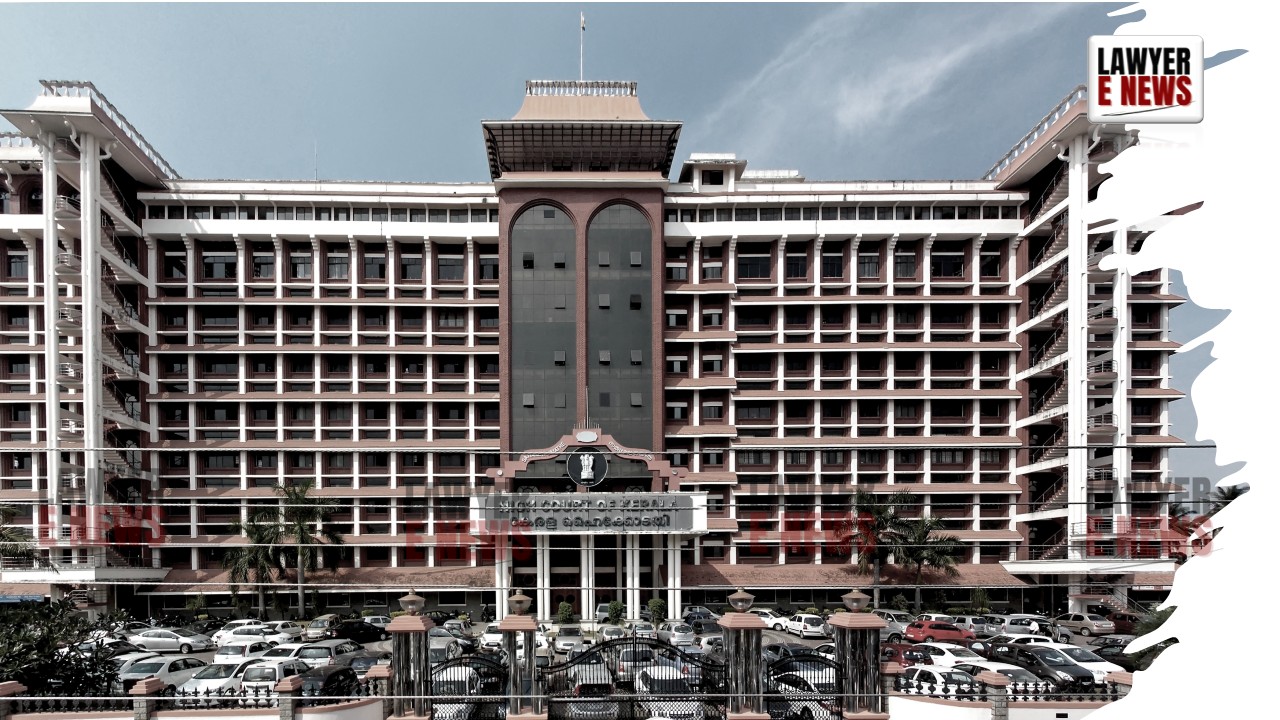
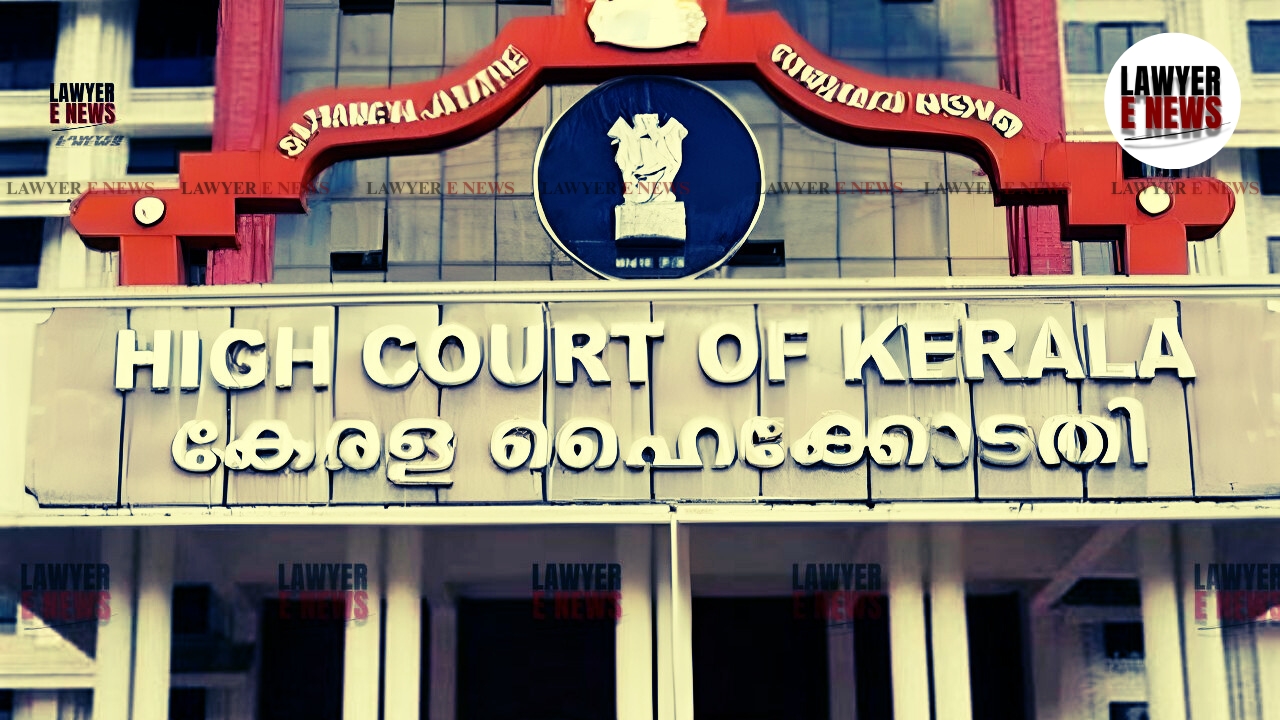
“When Prima Facie Evidence Reveals Collusion, Trial Must Follow – No Pre-Trial Exoneration”: Justice A. Badharudeen of the Kerala High Court delivered a detailed judgment, rejecting the pleas of two former public servants who sought discharge from a high-stakes corruption prosecution involving Malabar Cements Ltd (MCL). The Court firmly held, “Deliberate omissions causing pecuniary loss to a public undertaking, facilitated through misuse of office, constitute criminal misconduct demanding full trial scrutiny.”
The case involves allegations that Prakash Joseph, then Legal Officer of MCL, and M. Sundaramoorthy, the then Managing Director, facilitated wrongful invocation of a ₹50 lakh bank guarantee by ARK Wood and Materials Pvt Ltd, causing heavy financial loss to MCL. The petitioners had sought to avoid trial by claiming lack of evidence. The Court, however, rejected these arguments and upheld the Special Court’s findings that sufficient material existed for prosecution under Section 13(1)(d) of the Prevention of Corruption Act and Section 120B IPC.
“One-Sided Clause” Drafted in Favour of Private Party
In a striking observation, the Court took serious note of the contract drafted by the Legal Officer. Referring to Clause 20 of the agreement between MCL and ARK Co., the Court noted, “The contract was structured entirely in favour of ARK Co., enabling unilateral invocation of the bank guarantee without corresponding safeguards for MCL.” The Court called out the Legal Officer’s complicity in facilitating this lopsided clause, remarking: “This Clause stands as an illustration of betrayal of fiduciary duty by a public servant, serving private interests over public good.”
The judgment further recorded that the misuse of this clause directly resulted in ARK Co. invoking the ₹50 lakh bank guarantee on 23.09.2008 without legal termination of contract by MCL, in blatant violation of contract conditions.
Deliberate Legal Lapses Causing Public Loss: No Shield of ‘Wrong Legal Advice’
Rejecting the primary defence that the officers merely acted on legal advice, the Court emphatically ruled, “Willful delay, strategic misfiling of suits in courts lacking jurisdiction, and calculated inaction causing public loss cannot be whitewashed under the garb of wrong legal advice.”
It found that: “The Legal Officer had ample knowledge of the limitation period to recover the invoked amount but willfully avoided filing suit in the proper court (Tuticorin), resulting in limitation expiry.”
“The Managing Director too, despite acknowledging the approaching limitation period in official communication, failed to take meaningful steps to protect the company’s interest, indicating collusion and criminal negligence.”
“Prima Facie Evidence Sufficient for Trial – Discharge Not a Stage for Mini-Trial”: Kerala High Court Reaffirms
The Court reiterated the settled legal principle that discharge proceedings under Section 239 CrPC require examination only of prima facie materials, not a roving enquiry into detailed evidence. Justice Badharudeen observed:
“At the discharge stage, the Court need only be satisfied that the allegations, if unrebutted, warrant a trial. The sufficiency or reliability of evidence is strictly the domain of trial.”
Relying on precedents including Thomas A.V. v. State of Kerala and CBI v. Narayana Rao, the Court dismissed both petitions, observing, “The Special Court has meticulously evaluated materials, and its conclusion to proceed to trial does not warrant interference.”
Public Accountability Paramount – Trial Directed to be Completed Within Three Months
Dismissing the revision petitions, the Court directed the Special Judge (Vigilance), Thrissur, to proceed with the trial and conclude proceedings within three months. Justice Badharudeen underlined: “The loss to the public exchequer, collusion with private parties, and misuse of position by public servants cannot be lightly brushed aside at the pre-trial stage.”
The Court, however, clarified that its findings are confined to the discharge proceedings and will not prejudice the fair trial.
This judgment reaffirms judicial intolerance to public office misuse, upholding accountability where prima facie evidence points to corruption.
Date of Decision: 10th July 2025