-
by sayum
25 August 2026 4:05 AM







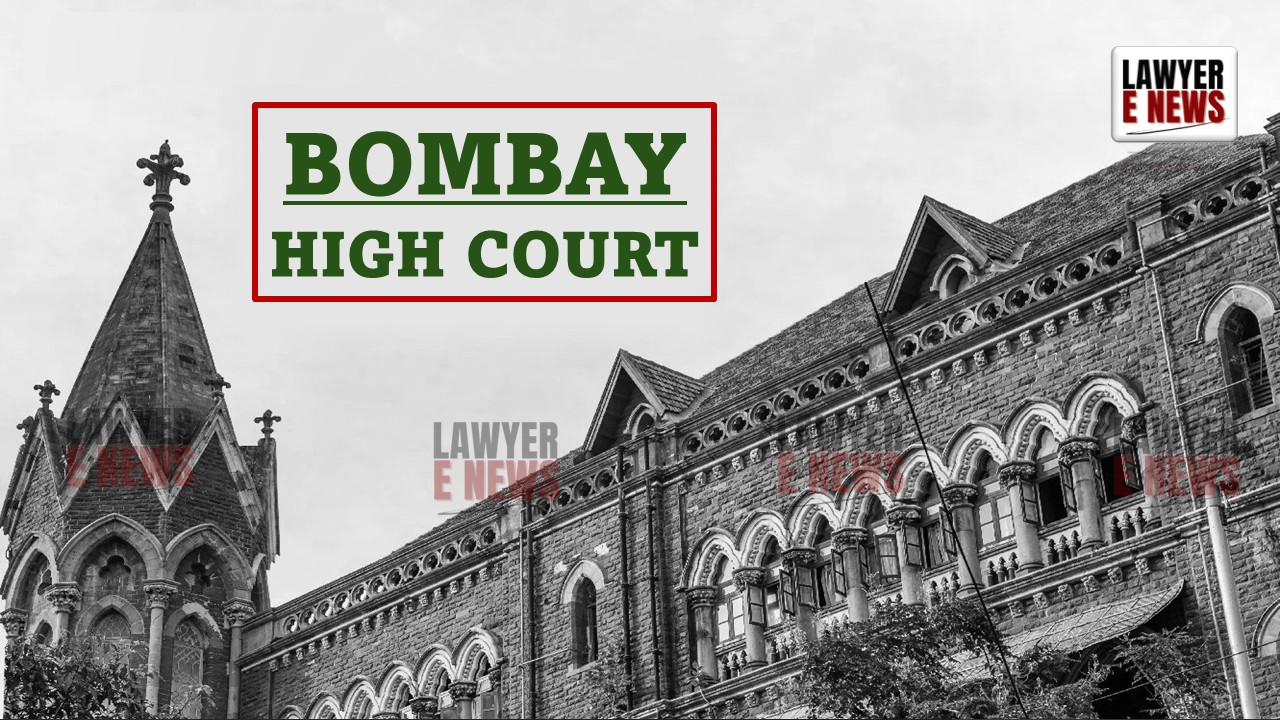
Encroachers Cannot Create Title Disputes Through Forged Documents—Possession and Ownership Must Be Protected – Bombay High Court held that property owners cannot be forced to file a suit for title declaration merely because a third party makes baseless ownership claims. The Court upheld the judgment of the Bombay City Civil Court at Dindoshi, which had granted a permanent injunction in favor of the plaintiffs, restraining the defendant from encroaching upon or constructing unauthorized structures on their ancestral property.
Justice Firdosh P. Pooniwalla, delivering the judgment, emphasized: "A rightful owner in possession should not be driven to a costlier and more cumbersome title suit merely because a meddler falsely claims ownership. Courts must carefully distinguish between genuine disputes and vexatious claims."
The case revolved around a 24-Guntha ancestral property in Malad (East), Mumbai, legally owned by the plaintiffs. The dispute began when Defendant No. 1, Devendra Ramchandra Palsamkar, constructed unauthorized sheds on the land, falsely claiming ownership through forged agreements. The plaintiffs, descendants of Raghunath Purshottam Patkar, had clear ownership records dating back to an 1897 Deed of Conveyance, which had never been disputed.
The plaintiffs initiated legal action, alleging that the defendant had fabricated ownership documents, trespassed on their land, and repeatedly erected illegal sheds despite multiple demolitions by the BMC. The City Civil Court ruled in their favor in 2012, prompting an appeal from the defendant.
Bombay High Court: No Cloud on Title When Ownership is Undisputed
Dismissing the appeal, the Bombay High Court reaffirmed that the plaintiffs' ownership was undisputed and that the defendant's claims were based on fraudulent documents.
Justice Pooniwalla, rejecting the appellant’s arguments, observed: "The plaintiffs have established ownership through clear title documents, municipal records, and uninterrupted possession. Defendant No. 1 has failed to produce any genuine evidence challenging their title. Mere assertions, no matter how vehement, do not create a cloud on ownership."
The Court cited Anathula Sudhakar v. P. Buchi Reddy (2008) 4 SCC 594, which held that a suit for injunction is sufficient unless a legitimate title dispute exists. Only where ownership is genuinely contested should a declaratory suit be required.
Rejecting the defendant's reliance on fraudulent sale agreements, the Court stated: "A document cannot create rights in favor of a person who was never in possession. The defendant neither produced the alleged sale agreements in court nor led any evidence to prove their authenticity."
Forgery and Unlawful Encroachment Cannot Establish Ownership
The Court took strong exception to the defendant’s repeated encroachments and use of fraudulent documents to claim title. Noting that one of the fabricated sale agreements was dated after the supposed seller had already died, the Court dismissed the claim as "a blatant forgery with no legal standing."
Justice Pooniwalla observed: "The law does not recognize ownership claims built on forged and fabricated documents. If the defendant were serious about proving ownership, he would have brought evidence on record instead of relying on falsehoods."
The judgment emphasized that fraudulent land-grabbers often attempt to coerce legitimate owners into lengthy legal battles to weaken their claims, a tactic that courts must resist. "The plaintiffs were repeatedly forced to remove illegal structures erected by the defendant. Courts cannot allow such harassment to continue indefinitely," the Court ruled.
Encroachments Were Repeatedly Demolished—Defendant Had No Case
The Court took note of the fact that the Brihanmumbai Municipal Corporation (BMC) had demolished the unauthorized sheds multiple times, proving that the defendant had no legitimate claim to the property. The defendant failed to challenge these demolitions legally, further undermining his claim.
Justice Pooniwalla stated: "The defendant’s continued attempts to erect illegal structures, despite repeated demolitions, demonstrate his intention to wrongfully claim possession. Such actions amount to trespass, warranting an injunction."
The Court also rejected the defendant’s contention that the plaintiffs failed to seek a title declaration, holding that the plaintiffs had already established ownership through municipal and revenue records, making further litigation unnecessary.
Owners Cannot Be Forced Into Title Suits Without Genuine Disputes
With this ruling, the Bombay High Court has reinforced the principle that legitimate property owners cannot be dragged into costly litigation simply because an encroacher fabricates documents to create a false dispute. The permanent injunction granted by the City Civil Court was upheld, protecting the plaintiffs from further encroachment attempts.
Justice Pooniwalla, delivering the final ruling, made it clear: "When ownership is well-documented and possession is undisputed, courts should not entertain fabricated claims that serve only to harass lawful owners. The First Appeal is dismissed, and the lower court’s decree is confirmed."
This judgment sets a strong precedent against fraudulent land-grabbing practices, ensuring that legitimate property owners are not forced into unnecessary litigation to defend their lawful rights.
Date of Decision: 13 February 2025