-
by sayum
23 August 2026 2:56 PM







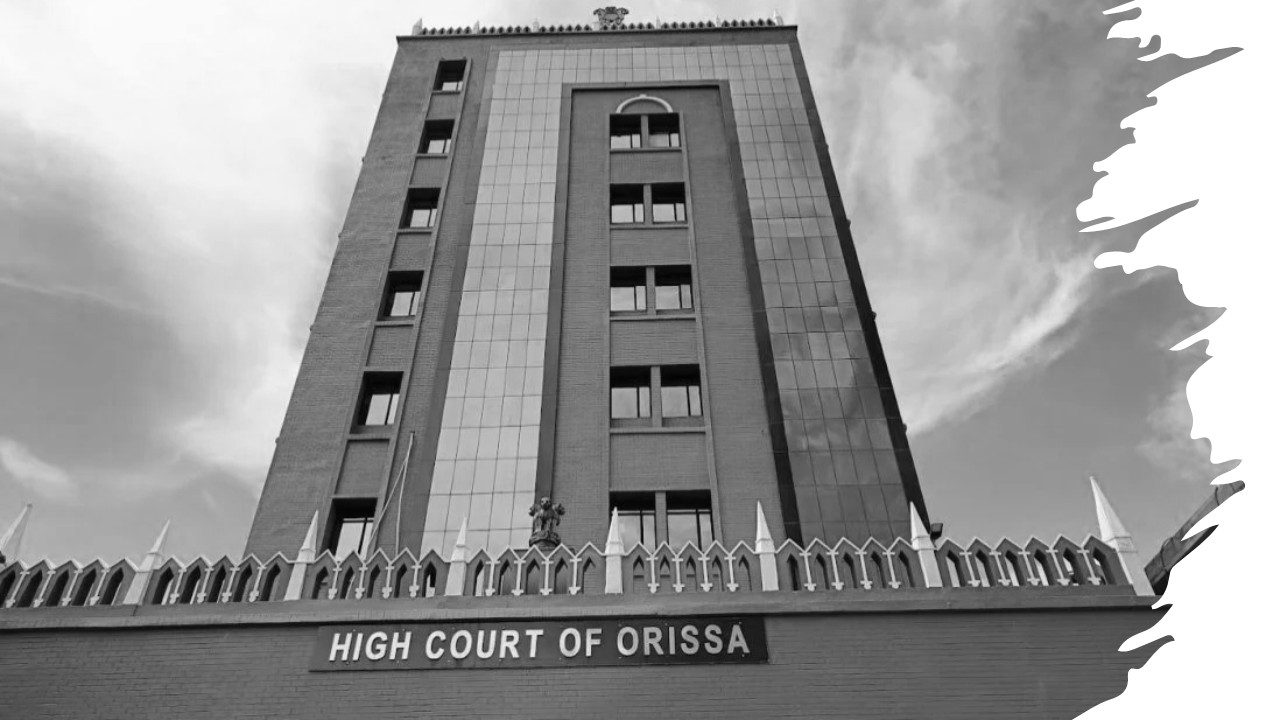
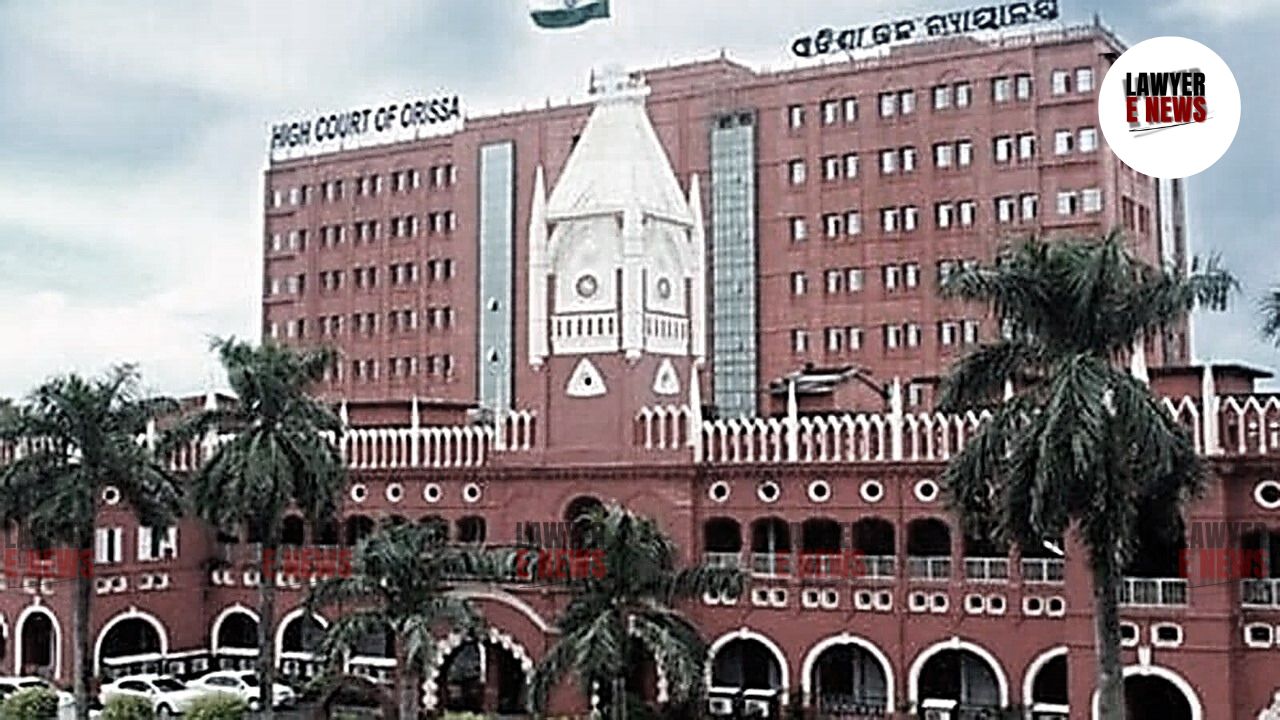
Death Caused by Fall from Moving Train is an 'Untoward Incident' - Orissa High Court delivered a pivotal judgment in Alpana Roy & Others v. Union of India, addressing the liability of the Railway Administration under Sections 123(c)(2) and 124A of the Railways Act, 1989, for accidental deaths during rail travel. The case arose from the death of Shyamal Roy, who allegedly fell from a moving train while traveling from Solapur to Bhubaneswar. The Railway Claims Tribunal had earlier awarded ₹8,00,000 as compensation but denied pendente lite interest. The appeal was filed solely on the issue of interest.
While the High Court upheld the Tribunal’s decision not to grant interest from the date of filing of the claim application, it categorically affirmed that the deceased was a bona fide passenger and that his death was due to an “untoward incident” under Section 123(c) of the Railways Act, thereby entitling his family to compensation under Section 124A. The judgment reaffirmed the liberal interpretation of statutory compensation schemes, applying binding Supreme Court precedents.
Fatal Fall from Konark Express and the Tribunal’s Partial Relief
The deceased, Shyamal Roy, was traveling by the Konark Express on 28.01.2012, when he allegedly lost balance due to the rush of passengers and fell between Gopalapatnam and Duvvada railway stations. He died on the spot. A claim was filed by his family under the Railway Claims Tribunal Act, seeking compensation for his death as a bona fide passenger under Section 124A of the Railways Act.
While the Tribunal at Bhubaneswar admitted the claim and awarded ₹8,00,000 in line with the revised compensation schedule effective from 01.01.2017, it declined the plea for interest from the date of filing the application. The appellants then approached the High Court solely challenging the denial of pendente lite interest.
Railway Cannot Escape Liability Once 'Untoward Incident' is Established
Justice Dr. Sanjeeb K. Panigrahi, who authored the judgment, observed that the Railways’ liability under Section 124A is strict, and compensation must be awarded when a death occurs due to an “untoward incident,” irrespective of fault, unless the case falls within one of the statutory exceptions such as suicide, self-inflicted injury, intoxication, or trespassing.
The Court referred to Union of India v. Prabhakaran Vijaya Kumar (2008) 9 SCC 527, where the Supreme Court held that the Railways Act is a beneficial legislation and must be interpreted in a liberal manner:
“Since the provision for compensation in the Railways Act is a beneficial piece of legislation, in our opinion, it should receive a liberal and wider interpretation and not a narrow and technical one.”
In the present case, the GRPS police inquest report, final report, and post-mortem all consistently confirmed that the cause of death was a fall from a moving train. No contrary evidence was led by the Railway Administration.
Burden of Proof Shifts to Railways Once Bona Fide Travel is Presumed
The Court strongly relied on the principle laid down in Union of India v. Rina Devi (2019) 3 SCC 572, where the Supreme Court ruled:
“Mere absence of ticket... will not negative the claim that he was a bona fide passenger. Initial burden will be on the claimant... burden will then shift on the Railways.”
Justice Panigrahi observed that the deceased was presumed to be a lawful passenger based on circumstantial and documentary evidence, including the police recovery of a journey ticket during the inquest. The DRM’s departmental report, which cast doubt on the incident, was dismissed by the Court as lacking probative value due to its non-contemporaneous nature.
“Departmental inquiry reports such as the DRM report must possess contemporaneity and credibility to command evidentiary weight,” the Court emphasized, noting that police and medical records were far more reliable.
Interest Denial Justified Due to Enhanced Compensation Post-Revised Schedule
One of the core issues raised by the appellants was the denial of interest from the date of filing the claim in 2012. The Tribunal had awarded compensation as per the revised schedule (₹8,00,000) effective from 01.01.2017, whereas the original claim was only for ₹4,00,000.
The High Court held there was no legal infirmity in awarding interest only from the date of the revised schedule:
“The Learned Tribunal has not committed any illegality in declining to award pendent lite interest on the compensation... Applying the aforesaid legal principles... it is evident that the Respondents have duly discharged their statutory duty.”
Accordingly, the Tribunal’s decision to award interest only from the date the revised schedule became effective was upheld, and the appeal was only allowed in part, to the extent of modifying directions for disbursal of awarded amounts.
Death Held to Be “Untoward Incident”, Railway's Liability Triggered
Summing up, the High Court held:
“It is, accordingly, declared that the deceased, Shyamal Roy, met his death in an ‘untoward incident’ within the meaning and contemplation of Section 124A of the Railways Act, and that he was a bona fide passenger entitled to the statutory protection and benefits.”
While rejecting the plea for pendente lite interest, the Court directed the Tribunal to release 50% of the awarded amount to the appellants immediately and retain the remainder in a fixed deposit for five years or until further orders.
Date of Decision: 29.11.2025