-
by sayum
29 August 2026 3:15 PM








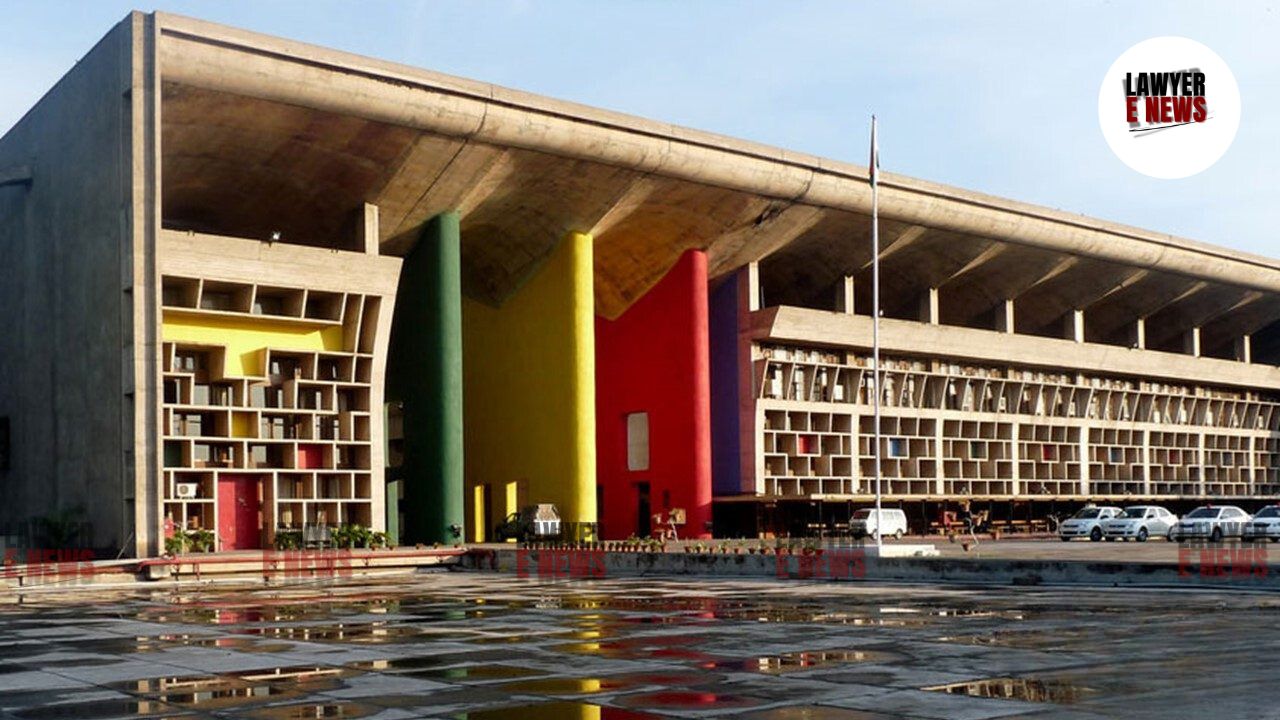
Condonation of Delay Is a Remedy for Sufficient Cause, Not for Casual Lethargy — In a strong reaffirmation of judicial discipline concerning limitations in criminal revisions, the Punjab and Haryana High Court on August 22, 2025, refused to condone a delay of 331 days in filing a criminal revision against acquittal under Section 326 IPC, ruling that “inexplicable delay ought not to be condoned”.
Justice Sumeet Goel, while dismissing the application CRM-16561-2018 in CRR-1619-2018, made it unequivocally clear that condonation is not a default remedy, and the plea based on poverty without any supporting material does not cross the legal threshold.
“The delay is both inordinate and inexplicable… The explanation is wholly unsatisfactory and can hardly be said to be reasonable or proper.”
The petitioner, Dhan Singh, had filed a criminal revision challenging the acquittal of the accused under Section 326 IPC, after the appellate court (Additional Sessions Judge, Palwal) dismissed his appeal on 21.12.2016. The trial court had earlier convicted the accused under Sections 323 and 324 read with 34 IPC, but acquitted them under Section 326 IPC.
Instead of pursuing the revision promptly, the petitioner delayed for 331 days, and sought condonation on the ground that he was poor and unable to arrange funds for litigation. The plea also stated that he only managed to contact counsel in February 2018, after collecting money from relatives.
Justice Goel rejected the application, noting that the petitioner had failed to produce any specific details, documents, or proof to substantiate his alleged hardship.
“Merely attributing the delay to unforeseen circumstances, without any supporting details or evidence to substantiate these claims, does not meet the legal threshold for condonation.”
Referring to the High Court’s own ruling in Deepak vs. Noori, the Court reiterated the principles guiding condonation under Section 5 of the Limitation Act:
“A liberal approach… cannot be stretched to mean that a prayer for condonation of delay ought to be granted sans reasonable explanation.”
The Court further noted that there was no document or act reflecting continuous interest by the petitioner in pursuing the matter within the prescribed time:
“The applicant-petitioner has neither shown continuous interest in the case nor presented any exceptional or unavoidable circumstances.”
The Court also cited the Supreme Court’s ruling in Pathapati Subba Reddy , emphasizing that: “Merits of the case are not required to be considered in condoning the delay… Delay condonation application has to be decided on the parameters laid down for condoning the delay.”
This settled law underlines that the strength of the case on merits cannot justify or excuse delay, and any plea for condonation must independently satisfy the test of sufficient cause.
Rejecting the plea in unequivocal terms, the Court ruled: “No cause much less sufficient cause, as required in law, has been shown to justify or condone the significant delay of 331 days… The application seeking condonation of delay merits dismissal.”
Consequently, both the delay application and the main criminal revision petition were dismissed.
This judgment firmly upholds that litigation must be pursued with due diligence, and condonation of delay cannot be sought as a matter of right based on vague or generalized claims of hardship. The High Court’s refusal to entertain the revision serves as a cautionary tale: law favours the vigilant, not the negligent.
In denying relief, the Court reinforced that legal remedies are bound by statutory timelines, and poverty or ignorance, while genuine concerns, must be backed by proof, not presumptions.
Date of Decision: August 22, 2025