-
by sayum
26 August 2026 9:49 AM







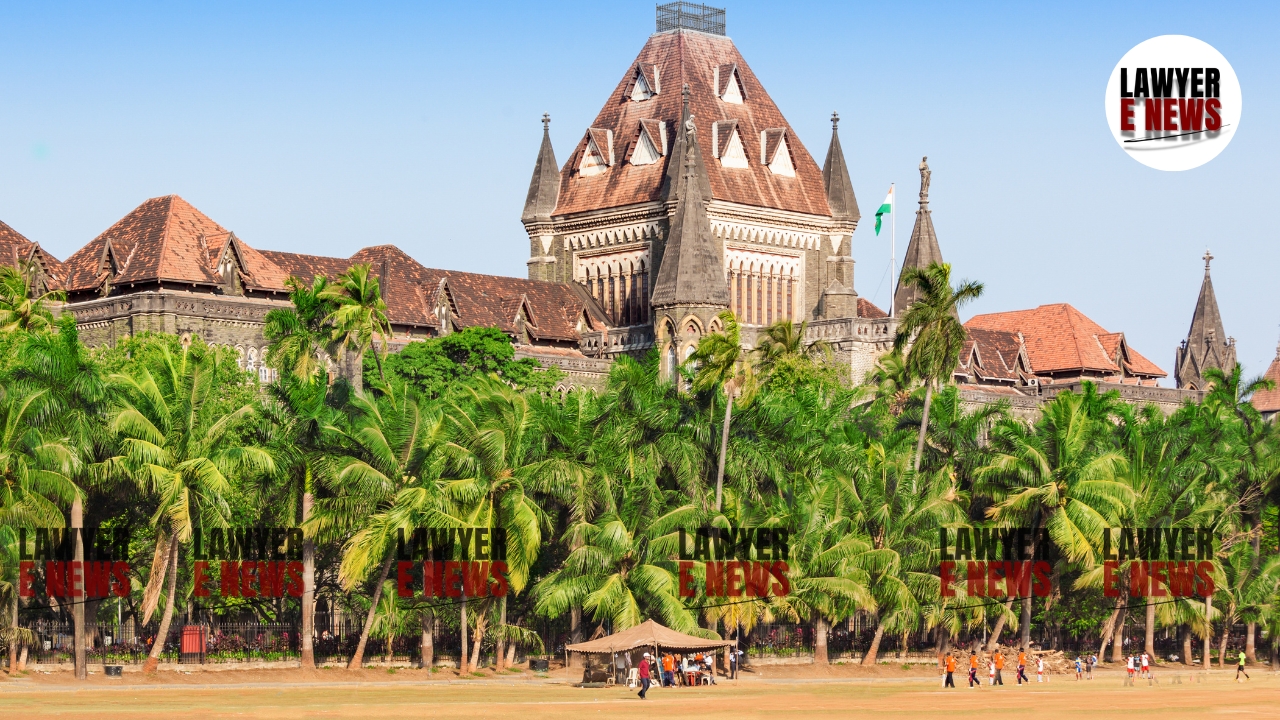
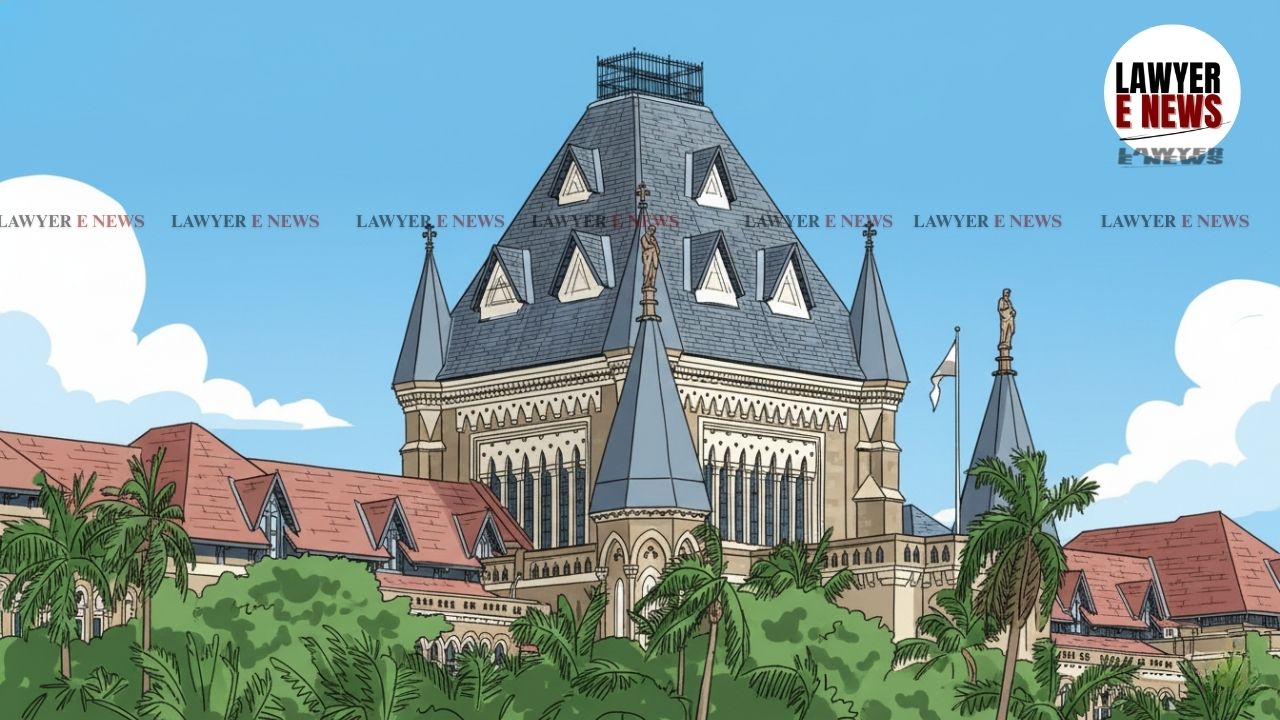
“Acceptance of such reasons would amount to accepting the advocate’s negligence without any material and without hearing the advocate” – In a significant ruling reinforcing litigant accountability and curbing the growing trend of blaming advocates without substantiation, the Bombay High Court dismissed a civil application for condonation of 203 days' delay in filing a first appeal. Justice Jitendra Jain held that bald allegations against a lawyer, unsupported by evidence and made behind their back, do not constitute "sufficient cause" under Section 5 of the Limitation Act.
The Court also rejected the appellants' plea for interim protection to continue, citing a complete absence of any subsisting stay since March 2020, including during and after the pandemic.
"Duty to Remain Vigilant Cannot Be Delegated to Counsel Alone": Litigant's Presence in Court Defeats Delay Plea
The Court began by noting that the applicants/appellants sought condonation of a 203-day delay in filing the first appeal, initially misstated as 176 days. The appellants attributed this delay to their advocate’s inaction, alleging that he failed to appear in court, did not respond to calls, and misadvised them to file a review petition rather than an appeal.
However, the High Court rejected these contentions as wholly unsubstantiated, pointing out that the record (specifically the roznama) showed that the applicant was present with his advocate in court on 20 July and 29 July 2015, with the matter clearly adjourned to 6 August 2015. Despite this, there was no explanation or evidence indicating that the appellant took any step to follow up on the adjourned date.
“There is nothing placed on record in support of the submission that the applicant kept trying to contact the advocate,” the Court observed. “There is no WhatsApp message or call data record from that crucial period. What is annexed pertains only to February–March 2016, which deals with the review plea.”
“It Has Become a Regular Practice to Blame Advocates Without Making Them Parties”
In a strong censure of a now-common litigation tactic, Justice Jain remarked:
“It has become regular practice to make allegations against the advocate in such matters of delay without making the advocate a party and without taking any action against him.”
The Court underscored the fundamental unfairness in attributing blame to a professional without affording them a chance to defend themselves:
“Acceptance of reasons would amount to accepting negligence of the advocate without any material and without hearing the advocate.”
The applicants neither initiated any disciplinary action nor impleaded the concerned lawyer, despite leveling serious allegations of negligence and misguidance. On being specifically questioned, counsel for the applicant admitted that no action had been taken.
Supreme Court Precedent in Rajneesh Kumar v. Ved Prakash Squarely Applied
The Court relied on the Supreme Court’s emphatic ruling in Rajneesh Kumar & Anr. v. Ved Prakash, reiterating:
“Even if we assume for a moment that the concerned lawyer was careless or negligent, this, by itself, cannot be a ground to condone long and inordinate delay. The litigant owes a duty to be vigilant of his own rights… and should not be permitted to throw the entire blame on the head of the advocate and thereby disown him at any time.”
In applying this principle, Justice Jain held that no sufficient cause had been shown under Section 5 of the Limitation Act, and the explanation provided lacked both evidence and credibility.
Gautam Dham Housing Society Case Distinguished on Facts
The applicants sought to rely on the Bombay High Court’s decision in Gautam Dham Co-operative Housing Society Ltd. v. Funds and Properties of Parsi Panchayat, but the Court sharply distinguished that ruling:
“In Gautam Dham, the delay was of 75 days, caused by an admitted mistake of an office employee. The advocate in that case appeared before the Court and accepted the mistake. In contrast, here, no such admission exists, and the advocate has not even been made a party.”
Request for Continuation of Interim Relief Also Denied
The Court also refused to grant any interim protection to the applicants to approach the Supreme Court. It noted that the original interim protection against dispossession had lapsed on 16 March 2020, and there was no stay thereafter, even during the pandemic period, right up to 2026.
“The appeal was filed on 10 June 2016… Even if the pandemic period is considered, admittedly, there is no stay from February 2022 till 2026. The request for continuing with the protection order or for stay of the impugned order is rejected.”
No Sufficient Cause, Delay Unexplained, Appeal Dismissed
The High Court concluded in unequivocal terms:
“In view of above, no ‘sufficient cause’ is shown for condoning the delay in filing the first appeal.”
Accordingly:
This decision sends a strong message to litigants that courts will no longer entertain vague or unverified claims of advocate negligence unless supported by substantive proof, and underscores that the duty to pursue one’s legal remedies with vigilance remains paramount.
Date of Decision: 19 January 2026