-
by sayum
26 August 2026 1:47 PM







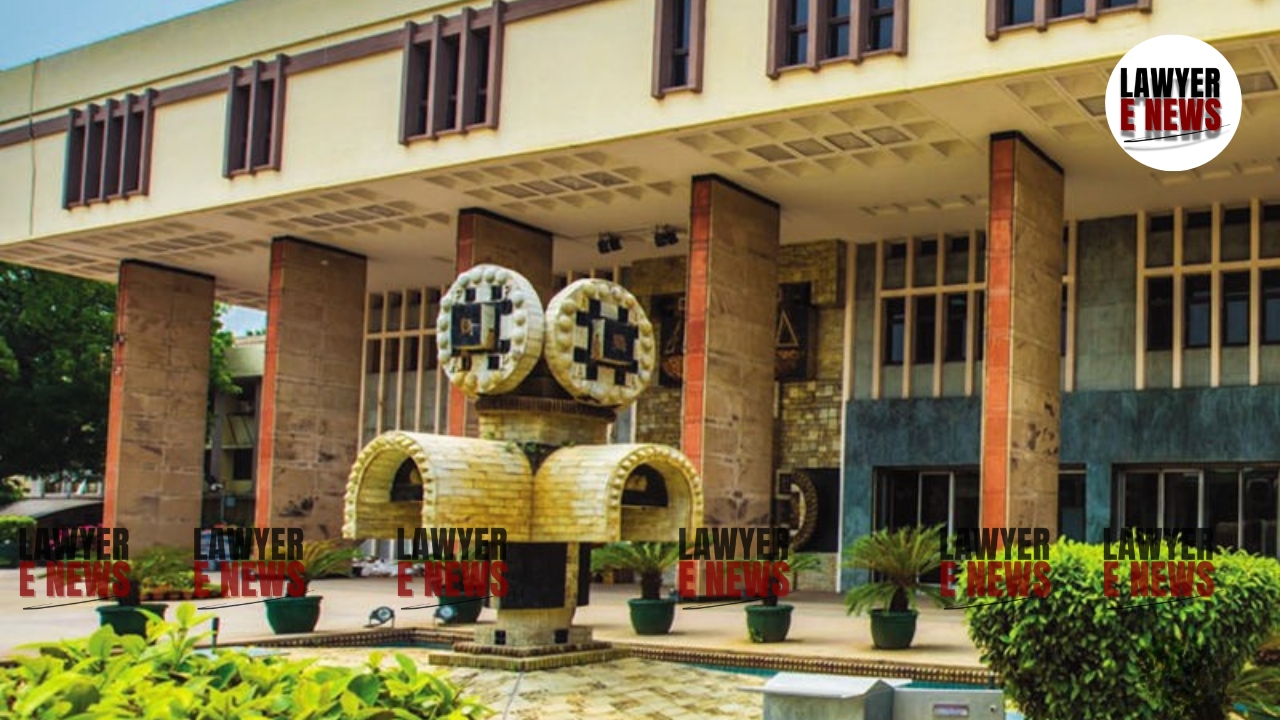
“A cleverly drafted suit cannot camouflage a SARFAESI defence as a civil cause of action,” , In a decisive reaffirmation of the jurisdictional bar imposed by Section 34 of the SARFAESI Act, the Delhi High Court has held that a civil suit filed to obstruct loan recovery proceedings under the SARFAESI framework is not maintainable, especially when the core issue lies within the exclusive domain of the Debts Recovery Tribunal. Justice Prateek Jalan allowed the lender’s revision petition and ordered rejection of the plaint under Order VII Rule 11(d) CPC.
“The jurisdiction of civil courts is barred not only where SARFAESI measures have been taken, but even where they are ‘to be taken’,” observed the Court, holding that “civil suits cannot be permitted to proceed where the grievance is rooted in the measures contemplated under Section 13 of the SARFAESI Act.”
The Court concluded that the borrower’s widow had merely sought to resist enforcement of the mortgage, not challenge its validity. “There is no pleading of fraud in the creation of the security interest. What is claimed is that the dues should be settled by an insurance company. This is not an independent cause of action — it is a defence to SARFAESI, and must be raised before the DRT,” said the Court.
“Allegation of Insurance Non-Issuance Can’t Be a Shield to Evade Recovery under SARFAESI”
“The plaint is crafted as a cloak to cover SARFAESI defences — such devices cannot override the statutory bar under Section 34,” declares High Court
The dispute began with a housing loan of ₹64.33 lakhs taken by late Mahavir Singh, with his wife Roshni Devi and son as co-borrowers. Following default, the lender classified the account as an NPA and initiated proceedings under Section 13(2) and 13(4) of the SARFAESI Act. In response, the borrower’s widow filed a civil suit claiming that the loan liability stood extinguished due to an insurance policy which the lender allegedly failed to issue after collecting the premium.
In her suit, Roshni Devi prayed for a declaration that SARFAESI measures such as the demand notice and NPA classification were illegal. She also sought an injunction to restrain the lender from recovering dues and asked that recovery be directed against the insurance company instead. The Trial Court declined to reject the suit at the preliminary stage, but the High Court reversed that decision.
“The entire premise of the suit is to obstruct the lender’s recovery by suggesting that an insurance policy should have been processed. Even if true, that defence falls within the jurisdiction of the DRT under Section 17. The civil court cannot be converted into an alternate forum to stall recovery,” the Court remarked.
“Fraud Exception Does Not Apply Where Creation of Security Is Not Alleged To Be Fraudulent”
“A civil suit cannot be used as a backdoor to challenge SARFAESI notices by dressing up a recovery defence as a contractual dispute,” holds the High Court
The respondent had relied on the Supreme Court’s ruling in Mardia Chemicals Ltd. v. Union of India, where the Court had observed that civil court jurisdiction may survive in cases of fraud. But the Delhi High Court drew a sharp distinction between allegations of fraud in creation of security interest and post-default recovery disputes.
“Not every allegation of irregularity or miscommunication amounts to fraud. The bar under Section 34 remains fully applicable unless there is a clear pleading that the mortgage or security itself was created through fraud or deceit,” said the Court, distinguishing the present case from the narrow fraud exception carved out in Mardia Chemicals.
The Court relied heavily on the principles laid down in Jagdish Singh v. Heeralal and Electrosteel Castings Ltd. v. UV Asset Reconstruction Co. Ltd., reaffirming that civil court intervention in SARFAESI matters is impermissible when the dispute can be addressed under Section 17 by the DRT.
“The entire claim — that the borrower was insured and that the loan should be recovered from the insurer — is a matter to be raised as a defence before the Tribunal. It is not an independent civil claim,” the Court reiterated.
“Courts Must Be Alert Against Abuse of Jurisdiction: Artful Pleadings Cannot Circumvent SARFAESI Bar”
Justice Jalan remarked that courts must be vigilant when faced with suits that attempt to disguise statutory defences under the veil of contractual or declaratory relief.
“A court must be cautious to ensure that proceedings which are essentially intended to obstruct statutory mechanisms are not permitted to proceed under the guise of civil litigation. The plaint here is nothing more than a cleverly worded obstacle to SARFAESI enforcement,” he observed.
The Court further added, “Order VII Rule 11 exists to weed out such suits. Where the plaint discloses no cause of action and is barred by law, rejection is not merely permissible — it is imperative.”
Accordingly, the High Court rejected the plaint, holding that the Trial Court erred in not invoking Order VII Rule 11(d). However, to ensure that the borrower’s widow is not left remediless, the Court allowed four weeks of status quo to enable her to approach the DRT under Section 17.
“No prejudice is caused by rejection of the civil suit. The respondent is free to raise her contentions before the DRT, including any claim regarding insurance or misrepresentation. This judgment shall not influence that adjudication,” the Court clarified.
Date of Decision: 24 December 2025