-
by sayum
24 August 2026 3:22 PM







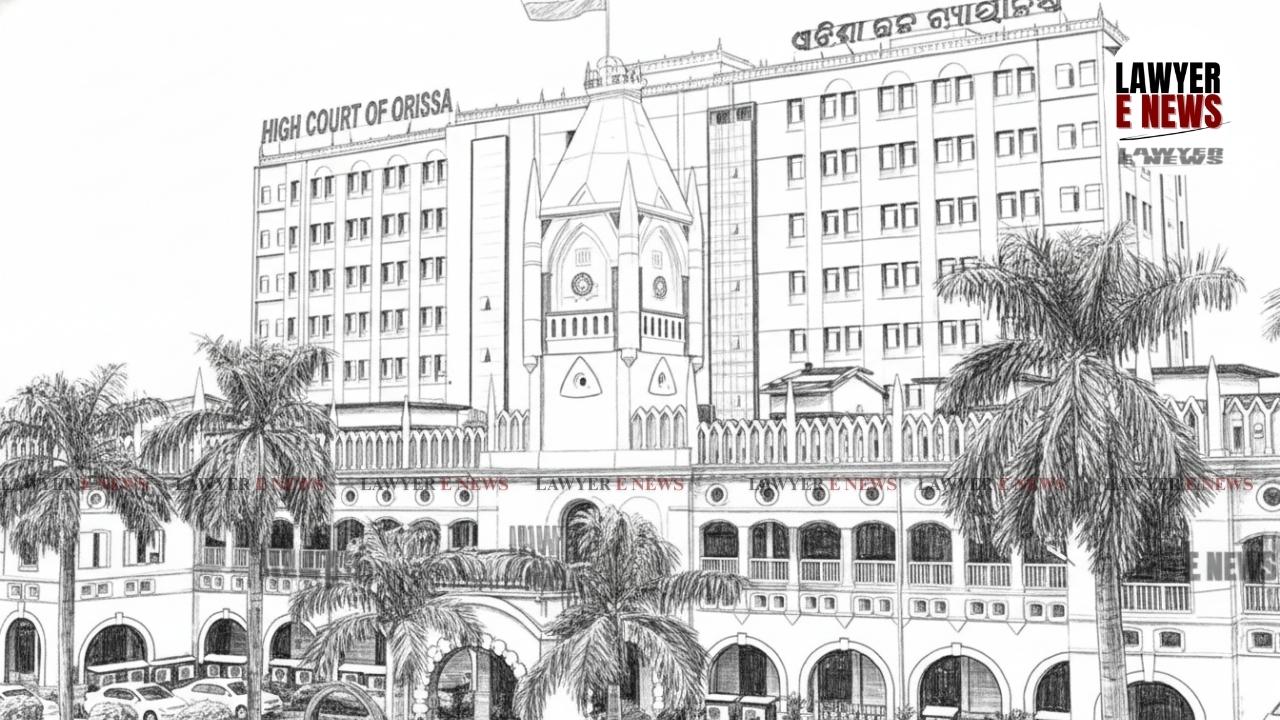
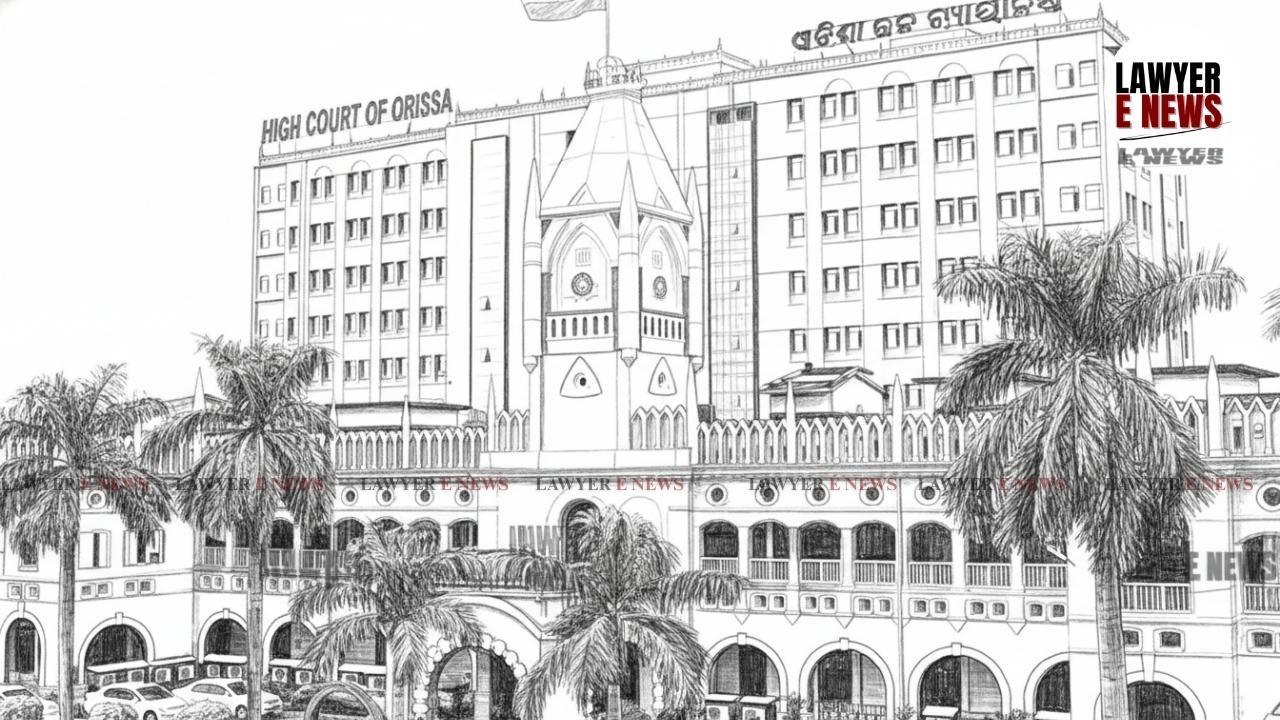
“Even A Frequent RTI User Cannot Be Barred From Seeking Information Under The Law”, In a significant reaffirmation of the statutory rights enshrined under the Right to Information Act, 2005, the Orissa High Court quashed the Odisha Information Commission’s controversial order that had not only dismissed a citizen’s RTI appeals as “repetitive” but also went further to impose a cap of 12 RTI applications per year and debarred him from filing any more applications for one year.
Justice R.K. Pattanaik observed that “such a restriction has no sanction in law” and held the Commission’s action to be “illegal and arbitrary.”
The Court emphasized that even if an individual frequently invokes the RTI mechanism, “the Information Commission cannot assume powers not vested in it by statute to curtail a citizen’s fundamental right to access information.”
“Cryptic Orders That Deny Full Disclosure Defeat The Very Purpose Of The RTI Act”: Court Pulls Up Commission For Incomplete Information Supply
The controversy arose when the petitioner, Chittaranjan Sethy, filed multiple RTI applications before public authorities seeking information on various issues. While certain details were reportedly furnished, Sethy claimed that large parts of the information sought under the applications (Annexure-1 series) were not supplied. Upon appealing, the Odisha Information Commission dismissed the appeals by a common order dated 13 September 2025, branding the queries as “repetitive” and thereafter imposed a one-year bar on the petitioner from filing any further RTI applications, limiting him to just twelve per calendar year.
This decision of the Commission was challenged in the High Court as being without jurisdiction and against the scheme of the RTI Act.
The Court examined the content of the RTI applications and noted that “the entire of the information has not been provided to the petitioner,” and thus directed that “excepting the ones already supplied, the rest should be shared with the petitioner.”
The High Court unequivocally held that “the restriction imposed on the petitioner not to make any further applications under the RTI Act in a calendar year but allowing 12 applications only is not justified.” The Court clarified that “even though he is in the habit of filing number of applications seeking information under the RTI Act,” the Commission had no power to limit his rights in such a manner.
Judicial Review Prevails Over Administrative Overreach
Rejecting the submissions made by the counsel for the Commission and the State, the Court underscored the importance of judicial oversight in ensuring the transparency mandate of the RTI regime is not diluted. The impugned order of the Information Commission was found to be unsustainable in two key respects — the blanket restriction on future applications, and the denial of the remaining information sought in the original queries.
“Opposite party No.1 could not have imposed such a restriction on the petitioner... therefore, to that extent, the impugned order is liable to be set aside,” the Court declared.
Information Must Be Supplied In Full
The High Court directed the concerned public authority (opposite party No.2) to supply the balance of the information sought by the petitioner in his original RTI applications, as referred to in Annexure-1 series. The writ petition was accordingly disposed of.
In conclusion, this judgment reinforces the principle that transparency and accountability cannot be throttled under the guise of administrative convenience, and a citizen's right to know remains at the core of democratic governance.
Date of Decision: 15 January 2026