-
by sayum
12 August 2026 1:53 PM







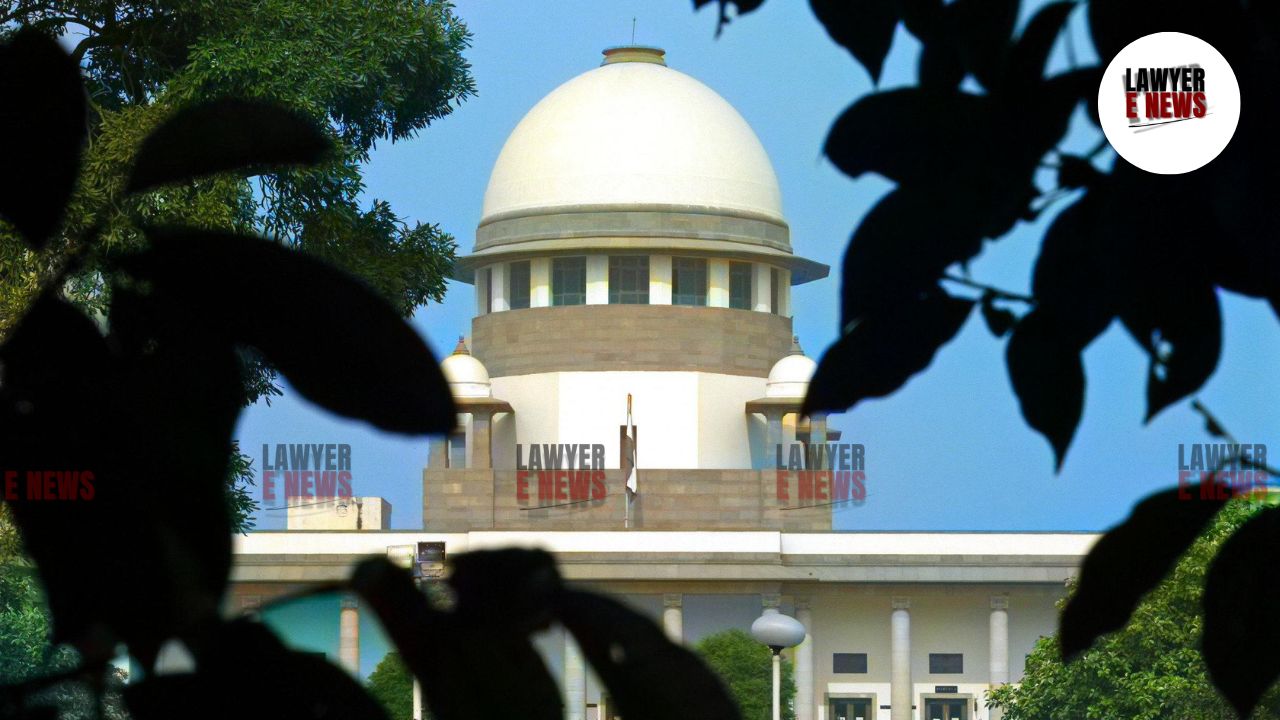
In a crucial judgment Supreme Court set aside the Bombay High Court’s order refusing to grant leave to appeal against the acquittal of Mahesh Prakash Ahuja, who was accused of murdering his wife. The Court ruled that "the High Court should have at least granted leave to appeal instead of outright rejecting the State’s plea, especially in a case based on circumstantial evidence."
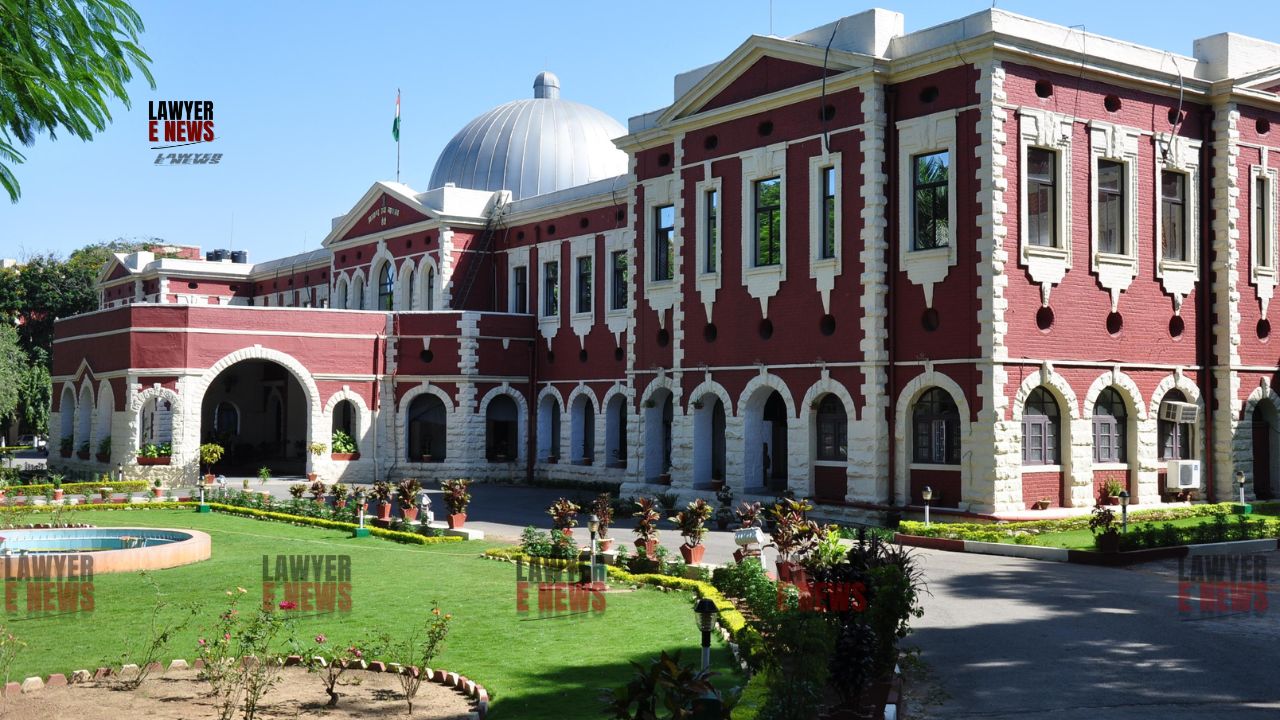
The case arose from an appeal filed by Manoj Rameshlal Chhabriya, the brother of the deceased, challenging the High Court’s order dated August 22, 2013, wherein it declined to grant leave under Section 378(3) CrPC in the State’s appeal against the acquittal. The Supreme Court found that the High Court had erred in summarily dismissing the case without adequately examining the prosecution’s evidence.
"Trial Court’s Acquittal Was Based on Gaps in Evidence, But Appeal Deserved Consideration"
The prosecution alleged that on April 2, 2011, the accused shot his wife after celebrating India's Cricket World Cup victory by firing shots in the air. Their 15-year-old son was an eyewitness but later turned hostile.
The Trial Court acquitted the accused, citing inconsistencies in prosecution evidence, contradictions in witness statements, and the failure to establish the accused’s presence at the crime scene at the relevant time. The High Court, while refusing leave to appeal, observed that the trial court had taken a ‘possible view’ and found no perversity in its reasoning.
The Supreme Court disagreed with this approach, ruling that "at the stage of granting leave under Section 378(3) CrPC, the High Court should only examine whether a prima facie case exists for consideration, rather than assessing whether the acquittal would ultimately be overturned."
"Circumstantial Evidence Required Deeper Scrutiny" – Supreme Court Calls for Proper Review
The Supreme Court noted that the case hinged entirely on circumstantial evidence, and the prosecution’s ‘last seen’ theory was not conclusively disproved. The Court ruled that "even in cases based on circumstantial evidence, if there are arguable points requiring deeper scrutiny, leave to appeal must be granted."
The judgment referred to State of Maharashtra v. Sujay Mangesh Poyarekar (2008) 9 SCC 475, where it was held that: "At the stage of deciding whether leave to appeal should be granted, the High Court must consider whether a prima facie case exists and not whether the order of acquittal is perverse or unsustainable."
The Supreme Court found that the High Court failed to record proper reasons for rejecting leave and did not adequately analyze the evidence before dismissing the appeal.
"High Court Must Reconsider the Appeal on Merits" – Supreme Court Remits Case Back
The Supreme Court ruled that the High Court should have allowed the appeal to be registered and heard on its merits rather than dismissing it at the threshold. The Court clarified that its observations should not be taken as an opinion on the merits of the case and directed the High Court to consider the appeal afresh.
Ordering a remand, the Supreme Court ruled: "We grant leave to appeal and remit the matter to the High Court for fresh consideration on merits. The criminal appeal shall now be registered accordingly and decided in accordance with law."
Setting aside the Bombay High Court’s order, the Supreme Court directed: "The High Court shall now reconsider the appeal against acquittal on its own merits without being influenced by any observations made in this order."
The Court further permitted the appellant (brother of the deceased) to file an independent appeal under Section 372 CrPC, which should be heard alongside the State’s appeal.
The Supreme Court’s ruling reaffirms that "the High Court must not summarily dismiss an appeal against acquittal without properly evaluating whether the case warrants full consideration."
By remanding the case for fresh hearing, the judgment ensures that "cases based on circumstantial evidence receive due judicial scrutiny and that acquittals are not shielded from review merely because they present a ‘possible view.’"
Date of decision: 27/02/2025