-
by sayum
30 August 2026 4:28 AM







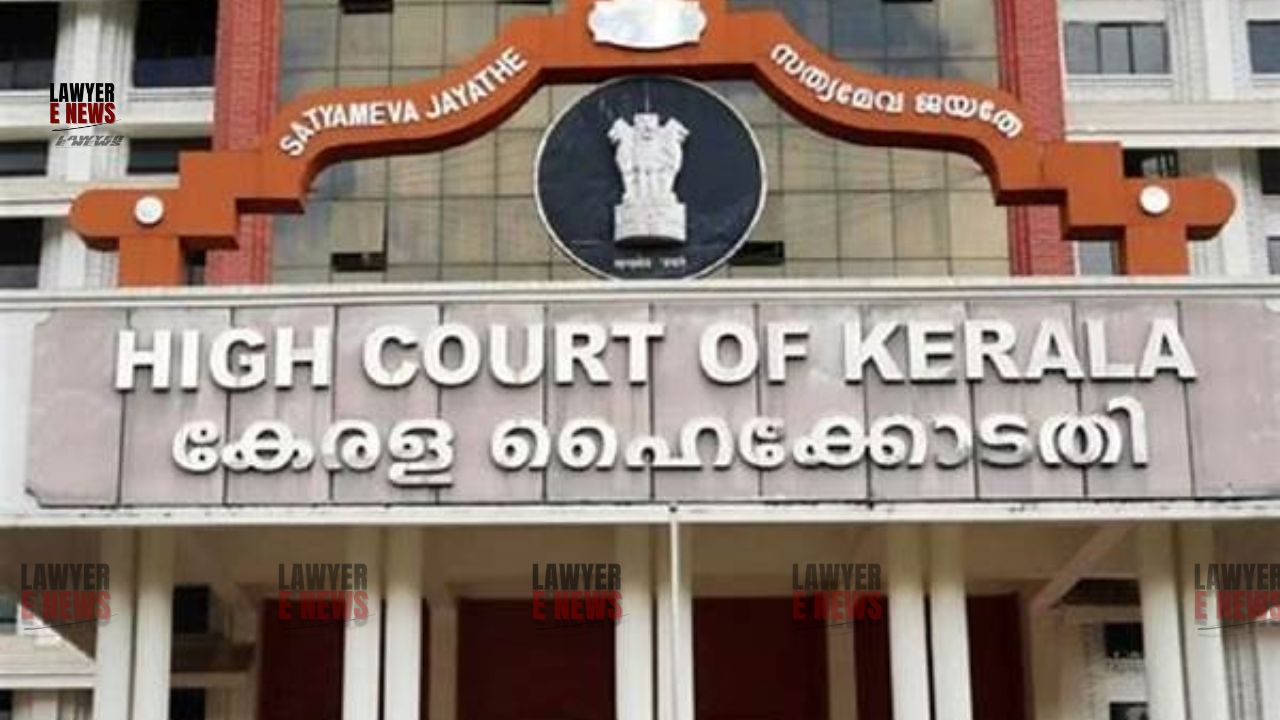
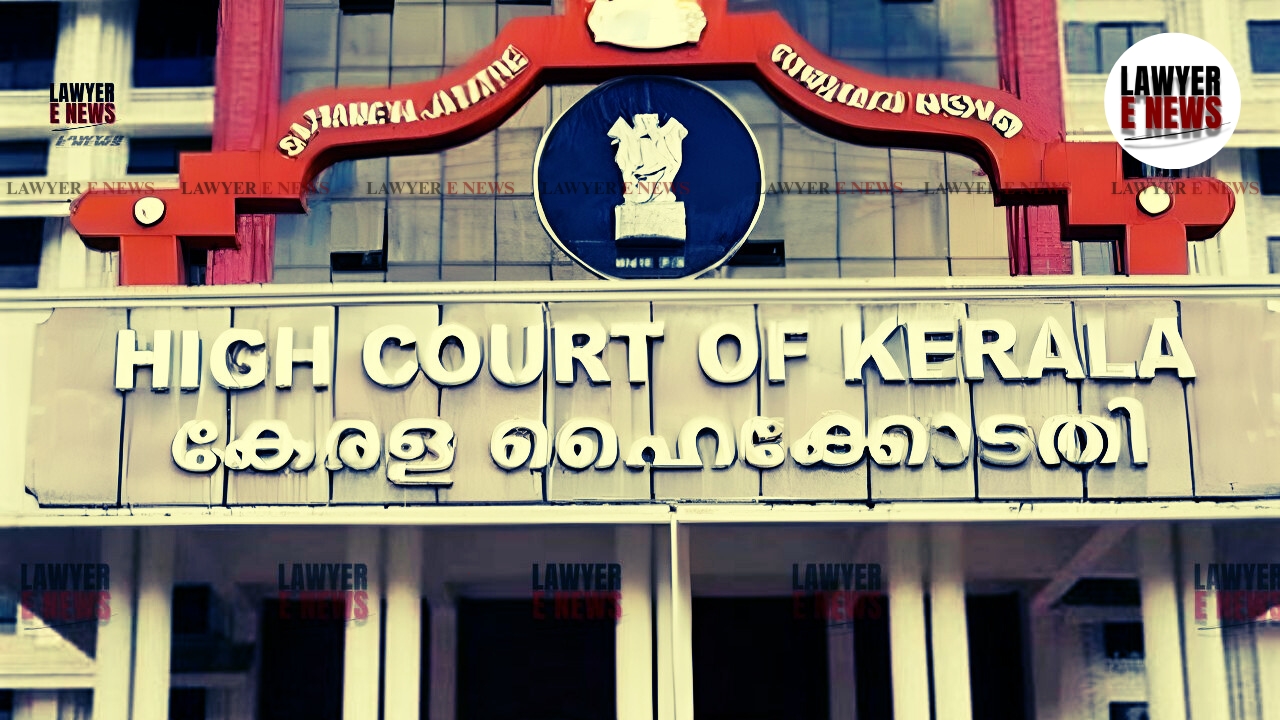
“When a Spouse Admits Her Own Allegations Are False, Nothing Further Is Needed to Prove Mental Cruelty”— Kerala High Court, comprising Justice Sathish Ninan and Justice P. Krishna Kumar, granted divorce to the husband on the ground of mental cruelty under Section 13(1)(ia) of the Hindu Marriage Act, 1955, setting aside the judgment of the Family Court that had dismissed his petition.
The High Court categorically observed that “When a spouse herself admits that her allegations of mental illness, extra-marital affair, and physical abuse against the other are false, it amounts to mental cruelty of the highest order, warranting dissolution of marriage.”
Wife’s Admission of False Allegations Is Sufficient to Prove Mental Cruelty—No Further Evidence Required
The Court emphasized that the wife, in her own deposition, confessed that the serious allegations she had raised—including accusations of “physical torture, mental illness, and extra-marital affairs” against her husband—were entirely false.
The Court unequivocally declared that “Such defamatory accusations, when admitted to be false by the spouse, are per se acts of mental cruelty that strike at the very foundation of matrimonial harmony. No further evidence is required once these admissions are recorded.”
“This Is Cruelty in Its Purest Form”—High Court Rebukes the Family Court for Ignoring Crucial Admissions
The High Court came down heavily on the Family Court, noting that “The Family Court grossly erred in failing to consider the crucial admissions made by the wife during her cross-examination. These admissions went to the very heart of the matter, and their non-consideration vitiates the judgment.”
The Court added that “The wife’s own statements in the witness box demolish her defence and leave no doubt that her conduct amounted to mental cruelty.”
Court Records Wife’s Verbatim Admission: “This Allegation of Extra-Marital Affair Is False”
In a crucial moment of cross-examination, the wife explicitly admitted: “ഈ പരസരീ ബന്ധ ആക്ഷേപം കളവതാണ്” (This allegation of extra-marital affair is false).
She also confessed that her accusations of physical abuse were baseless:
“ഹർജിക്കാരനെയും കുടുംബത്തെയും സംബന്ധിച്ച് ശാരീരിക പീഡനത്തിന്റെ ആക്ഷേപം തെറ്റാണ്” (The allegation of physical harassment against the husband and his family is false).
To a direct question whether she accepted that such baseless allegations amounted to mental cruelty, the wife replied in the affirmative.
“Unfounded Accusations of Mental Illness Are a Direct Assault on Matrimonial Dignity”—High Court
The wife’s accusation that her husband was suffering from mental illness was found to be another reckless fabrication. The Court recorded with dismay that “Not a single step was taken by the wife to substantiate the allegation. There was no medical examination sought, nor was any credible material produced. Such an allegation is not just defamatory but is an assault on the very dignity of the husband.”
“False Allegation of Theft of 'Thali' (Mangalsutra) Further Demonstrates Malicious Intent”—High Court
Among the accusations was that the husband misappropriated the wife’s ornaments, including the sacred 'thali' (mangalsutra). However, under cross-examination, the wife had no choice but to admit that the 'thali' was still with her.
The Court noted that “The attempt to wriggle out by claiming that only the chain was taken but not the locket is an afterthought. No such distinction was ever made in her pleadings. This again is a glaring example of deliberate falsehood amounting to cruelty.”
Settled Law: False Accusations Amount to Mental Cruelty
The High Court reaffirmed the well-settled principle that “Baseless, scandalous accusations against the spouse—whether of immorality, mental illness, or violence—constitute mental cruelty in their most severe form.”
Referring to binding precedents, the Court reiterated:
“This Court has repeatedly held that making false allegations against the spouse by itself amounts to mental cruelty.”
Citing cases like A v. B (2000 (2) KLJ 734), S. Latha Kunjamma v. K. Anil Kumar (2008 (2) KLT 545), David M.D v. Mercy K.G (2013 (3) KHC 739), Leelamma N.P v. Moni M.A (2017 (3) KHC 340), and Sabitha Unnikrishnan v. Vineet Das (2022 (1) HLR 118), the Court underscored that the law is crystal clear on this issue.
“This Marriage Cannot Be Salvaged”
The Bench concluded in unambiguous terms:
“The conduct of the wife has caused immense mental agony to the husband. The marriage is broken beyond repair. The continuation of such a marriage would only perpetuate cruelty.”
The decree of divorce was accordingly granted.
The Kerala High Court ordered:
“The appeal is allowed. The judgment of the Family Court dated 19.09.2018 is set aside. The marriage between the appellant and the respondent stands dissolved by a decree of divorce on the ground of cruelty under Section 13(1)(ia) of the Hindu Marriage Act.”
The Court made no order as to costs.
This judgment sends a decisive message that “the sanctity of marriage does not permit a spouse to recklessly malign the other with false accusations of adultery, mental disorder, or violence. Such conduct strikes at the core of matrimonial dignity and is sufficient ground for dissolution.”
The Kerala High Court’s firm stance reinforces that the legal system will not tolerate the misuse of serious allegations as a weapon in matrimonial disputes.
Date of Decision: 16th June 2025