-
by sayum
29 August 2026 3:15 PM







“Cancellation for Bounced Premium Cheque Absolves Insurer in Law, But Justice Demands Victims Be Paid First”, Supreme Court of India delivered a significant ruling reaffirming the balance between strict legal principles and the imperative of protecting road accident victims.
Supreme Court accepted that the National Insurance Company had validly cancelled the policy covering the offending truck well before the fatal accident—after the premium cheque bounced for want of funds and cancellation was duly intimated to both the vehicle owner and the RTO. “Cancellation of insurance policy… because of bouncing of cheque… would in law absolve the insurer from liability,” observed the Bench of Justices K. Vinod Chandran and N.V. Anjaria.
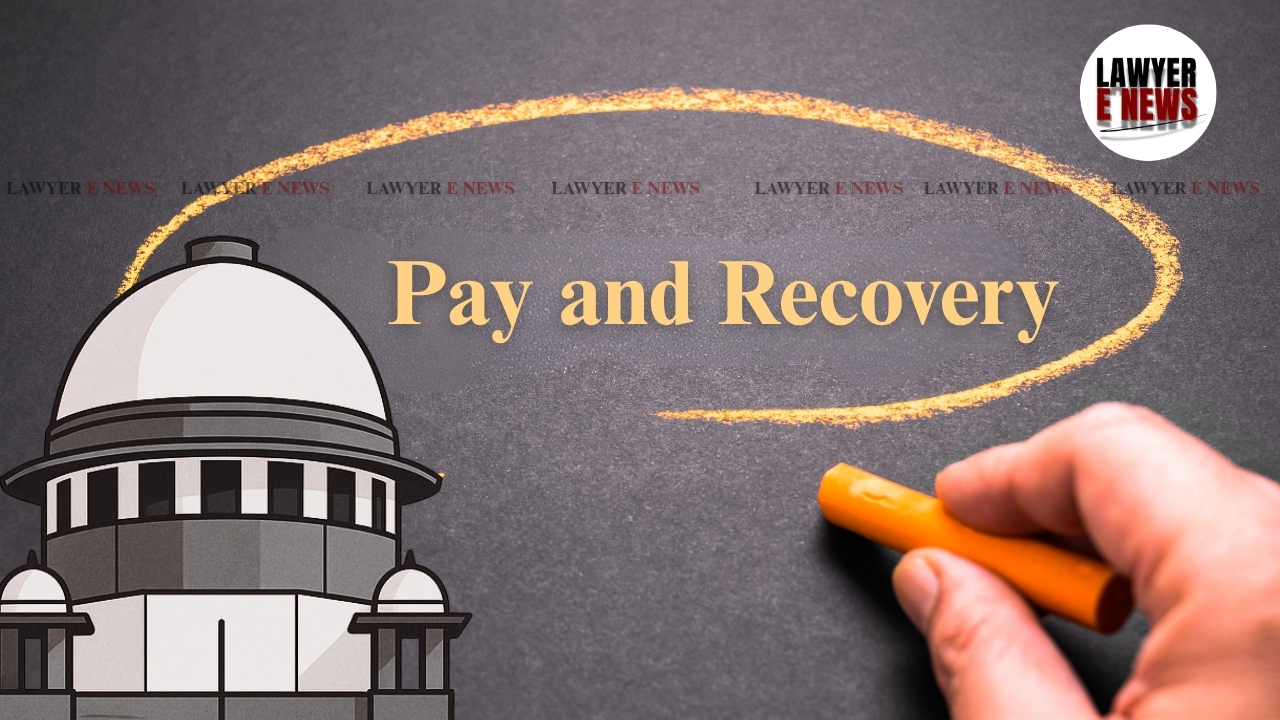
Yet, echoing its earlier pronouncements in Deddappa and United India Insurance Co., the Court refused to let the victim’s family suffer the consequences of the owner’s default. “In the final directions, the Court thought it fit to direct the insurance company to make payment of compensation to the claimants and thereafter permit it to recover the same,” the judgment declared, underscoring the enduring force of the pay-and-recovery principle.
The tragedy struck on 22 August 2005 when Dheeraj Singh, a 36-year-old Computer Engineer, was killed after his motorcycle was rammed from behind by a speeding truck. The Motor Accident Claims Tribunal (MACT) in Delhi found the truck driver solely negligent and awarded ₹8,23,000 compensation to the family, noting his monthly income of ₹3,364 and applying a multiplier of 17.
National Insurance Company’s defence was blunt: the policy did not exist on the accident date. The premium cheque had been dishonoured; the policy was cancelled months earlier; all concerned had been notified. Both the MACT and the Delhi High Court, however, directed the insurer to pay first and recover from the truck owner later, citing the rights of third-party claimants.
The Bench drew on its own precedents to frame the legal position with precision. In law, the insurer’s contractual liability “stood rescinded due to failure of consideration” once the premium cheque bounced and cancellation was communicated before the accident. But the Court stressed that statutory protection for accident victims cannot be ignored.
It pointedly remarked that the High Court’s view—protecting the rights of third parties while safeguarding the insurer’s recovery rights—was consistent with past rulings. “Depositing of the compensation amount… conforms to the law laid down… in larger interest of justice to all parties, no recovery deserves to be permitted for the said amount deposited and withdrawn,” the Court held.
In a calibrated order, the Court froze the status quo for half the compensation already paid and withdrawn by the claimants. That 50%, it ruled, shall not be recovered from the victims, though the insurer may seek it from the vehicle owner. The remaining half of the award, with interest, is to be recovered directly by the victims from the owner.
This judgment is yet another reminder that in India’s motor accident compensation regime, the rights of victims stand at the heart of judicial thinking, even when insurers are technically in the clear. By blending legal doctrine with equitable relief, the Supreme Court ensured that justice would not “be defeated by the bouncing of a cheque.”
Date of Decision: 8 August 2025