-
by sayum
11 August 2026 2:00 PM







“Offences Not Heinous, Triable by Magistrate – Grant of Bail Cannot Be Termed Whimsical or Illegal,” - Supreme Court dismissed an appeal seeking cancellation of anticipatory bail granted to a man accused of threatening a witness in a criminal case. Despite the accused having a criminal record that includes 45 FIRs, the Court refused to interfere, stating unequivocally that "habitual offenders ought not to be released on bail in a routine manner, however, the grant of bail must still meet the legal test based on the nature of the offence and facts of the case."
The Court observed that the offence was not heinous and was triable by a Judicial Magistrate, First Class, and therefore did not justify cancellation of bail.
The case arose from an incident on March 30, 2023, at Victoria Hospital in Jabalpur. The complainant, Ankit Mishra, alleged that he was threatened and abused by Abdul Razzak, the respondent, who warned him to withdraw his testimony and complaint in an ongoing case or face dire consequences. Based on this, an FIR under Sections 195A, 294, and 506 IPC was registered.
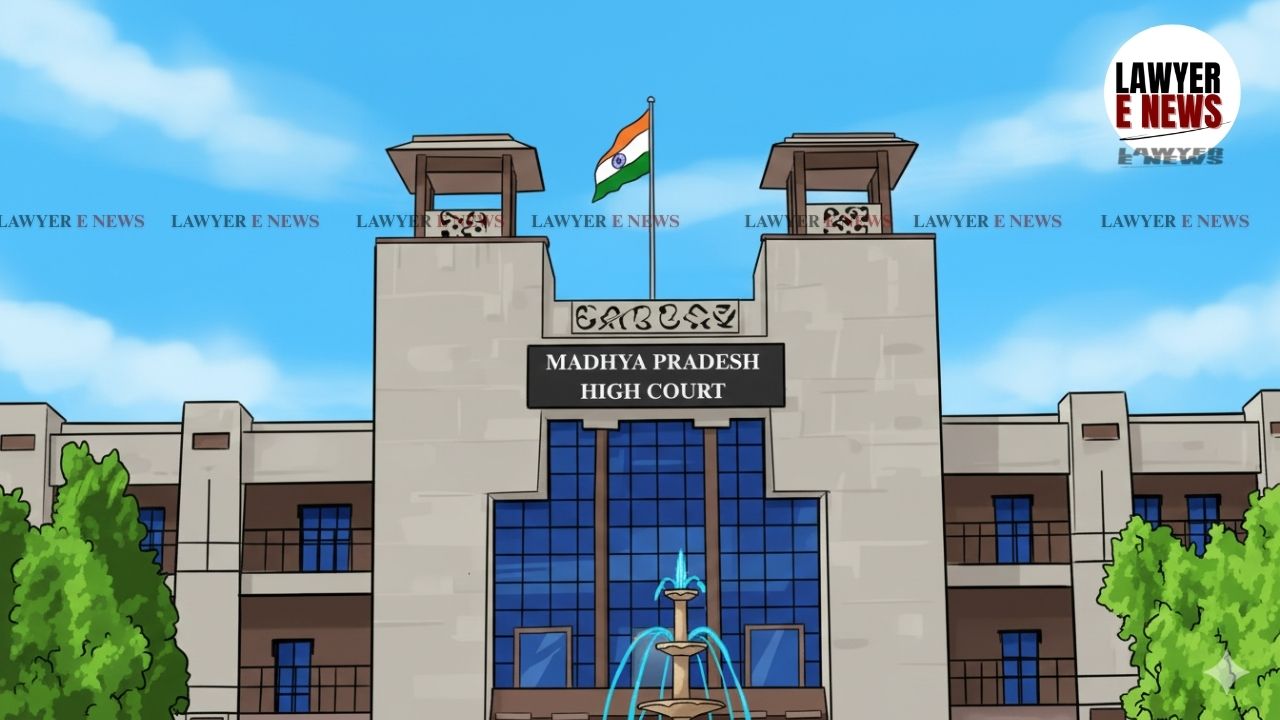
Ankit Mishra approached the Supreme Court challenging the High Court’s order dated April 10, 2024, which had granted Abdul Razzak anticipatory bail, despite his alleged criminal antecedents. The appellant contended that the accused was a notorious gangster with 45 previous cases, and hence, not entitled to the benefit of anticipatory bail.
The Court carefully considered whether the grant of anticipatory bail by the High Court suffered from legal infirmity. Referring to precedent, the Bench emphasized: “Bail once granted, should not be cancelled in a mechanical manner… very cogent and overwhelming circumstances are necessary for an order directing cancellation of bail.”
The Court invoked its own ruling in Deepak Yadav v. State of U.P., where it had held that cancellation of bail must be justified either by post-bail misconduct or by serious legal errors in the bail order itself. It noted that: “It is not a case where respondent no. 2 has been released on anticipatory bail in a heinous offence… the present offence is not triable by Sessions and does not carry sentence more than seven years.”
The Bench also observed that most of the 45 FIRs cited by the appellant dated back to the period between 1991 and 2012, and the accused had either been acquitted or granted bail in those cases. While acknowledging the respondent's criminal history, the Court made it clear: “The High Court has elaborately dealt with the cases against respondent no. 2… Once the benefit of anticipatory bail has been given, the consideration for its cancellation must be tested on the anvil of serious legal error or supervening circumstances.”
The Court refused to interfere with the High Court’s discretion, noting that no perverse or whimsical reasoning was found in the order granting bail.
Though the appeal was dismissed, the Supreme Court imposed safeguards in view of the respondent’s criminal background: “As and when he is released on bail in other cases, he shall report to the concerned police station on the 1st or 2nd day of every month… and shall not be involved in any other criminal activity.”
It further added: “Failing which, it will remain open for the appellant or the State of Madhya Pradesh to move before the High Court for cancellation of bail.”
The Supreme Court has once again reaffirmed that bail jurisprudence must be rooted in the legal merits of the specific case, not governed solely by the past record of the accused. While habitual offenders may invite stricter scrutiny, their past cannot substitute for judicial application of mind, especially when the present offence is neither heinous nor triable by a Sessions Court.
“It is not enough to merely cite criminal antecedents. What matters is whether the bail was granted after due consideration of all material facts and whether it offends the ends of justice,” the Court concluded.
Date of Decision: April 17, 2025