-
by sayum
11 August 2026 2:00 PM








“The present order shall have no impact/effect on the arbitration proceedings that are pending between the parties” - In a significant order reconciling criminal liability and civil remedies, the Supreme Court of India approved a mutually agreed financial settlement between the complainant and the accused in a cheque dishonour case under Section 138 of the Negotiable Instruments Act, 1881, while unequivocally protecting the integrity of pending arbitration proceedings. Disposing of the special leave petition, the bench of Justices Dipankar Datta and Manmohan observed, “This Court is of the view that the aforesaid consensual terms are fair and reasonable,” but clarified that, “the present order shall have no impact/effect on the arbitration proceedings that are pending between the parties.”
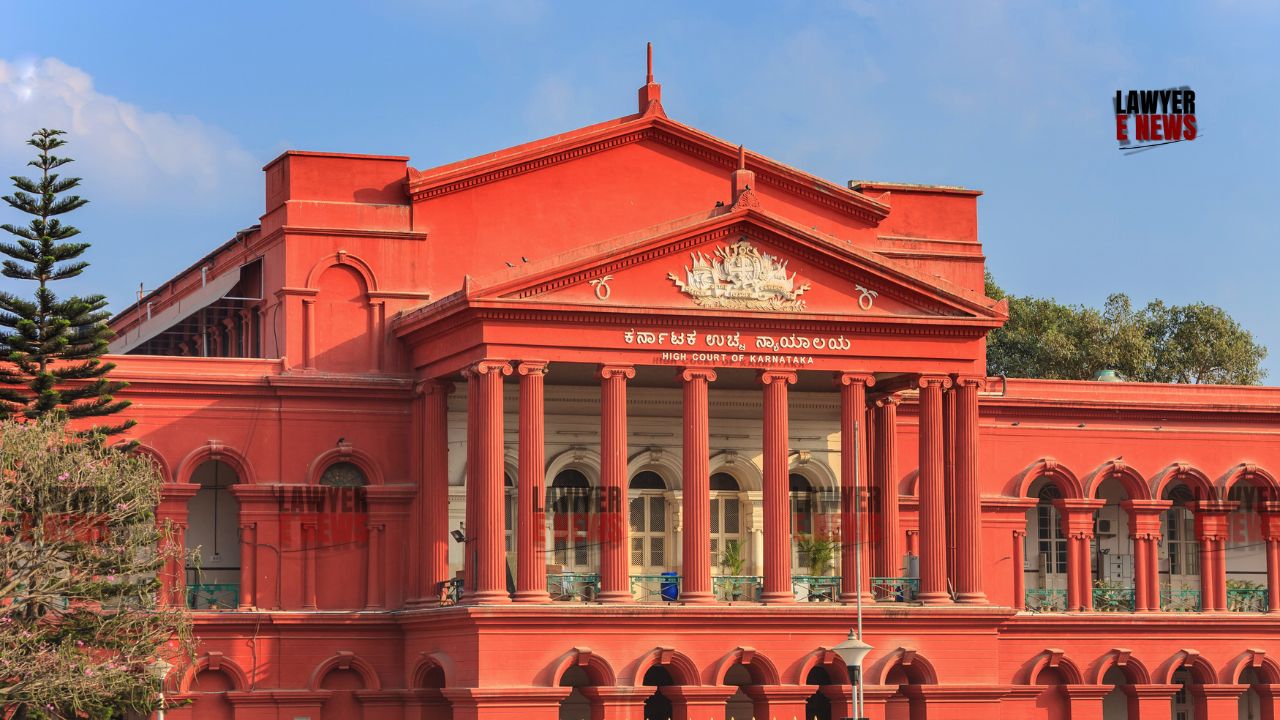
The petitioner, Vinod Boob, had challenged the decision of the Karnataka High Court dated 22nd July 2021, which had set aside the conviction and sentence of the respondents in a cheque bounce case, thereby reversing concurrent findings of the Metropolitan Magistrate and Additional Sessions Court.
The original conviction had been under Section 138 of the NI Act, dealing with dishonour of cheques for insufficiency of funds. After years of litigation, the matter reached the Supreme Court. During the proceedings, both parties expressed willingness to resolve the dispute amicably.
Accepting the parties’ joint proposal, the Court recorded a bipartite financial settlement involving partial release of deposited funds and phased payment of the remaining amount. The order directed that 20% of the amount deposited by the respondents with the Sessions Court along with accrued interest shall be released to the petitioner forthwith, and that an additional sum of ₹9.50 lakhs shall be paid in six equated bimonthly instalments by demand draft or RTGS.
However, the Court inserted an unambiguous clarification preserving the autonomy of civil remedies, stating, “The aforesaid payment shall be without prejudice to the rights and contentions of the parties in the pending arbitration proceedings.”
By doing so, the Court underscored that criminal compromise under the NI Act does not extend to civil disputes arising from the same transaction, unless explicitly agreed upon.
In its concluding lines, the bench reiterated this distinction: “It is clarified that the present order shall have no impact/effect on the arbitration proceedings that are pending between the parties.”
The judgment reiterates a key principle in Indian legal jurisprudence—criminal proceedings for dishonour of cheques and civil or arbitral claims arising from the same transaction may run on parallel tracks. A resolution in one does not, by itself, extinguish or prejudice the other. In this case, the Court ensured that the monetary settlement in the criminal proceedings did not compromise the adjudicatory sanctity of the ongoing arbitration.
By upholding a consensual resolution under Section 138 while carefully segregating it from pending arbitration, the Supreme Court has affirmed the importance of allowing commercial disputes to follow their own procedural and adjudicatory course, unaffected by parallel criminal compromises.
Date of Decision: April 21, 2025