-
by sayum
26 August 2026 12:18 PM







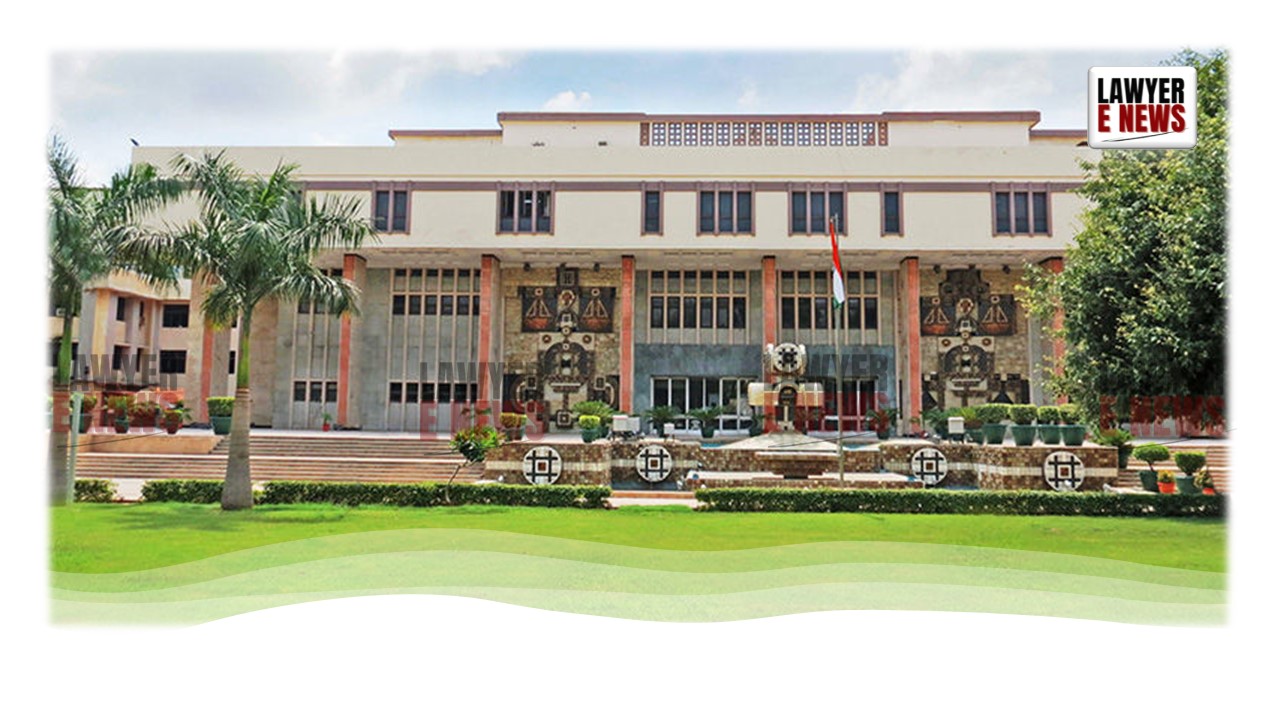
“Allegations arising from a commercial or contractual relationship cannot invoke writ jurisdiction for criminal prosecution” – In a significant ruling reinforcing the boundaries of writ jurisdiction in private housing disputes, the Delhi High Court declined a plea seeking CBI or CVC-monitored investigation and registration of FIR against NBCC India Ltd. and its joint venture partners for alleged cheating, misrepresentation, poor construction, and misappropriation of funds in a group housing project.
Justice Neena Bansal Krishna made it clear that “the extraordinary jurisdiction under Article 226 cannot be used to convert civil or contractual grievances into criminal cases, especially when alternate remedies under civil and criminal law are available.”
“Commercial and Contractual Disputes Require Factual Adjudication – Not Writ Directions for FIR”
The Petitioners, who were allottees of flats in the NBCC Town Phase-I project launched in 2009 at Khekra, Baghpat, U.P., had approached the High Court under Article 226 read with Section 482 Cr.P.C., seeking directions for the registration of an FIR and investigation by CBI/CVC against NBCC (Respondent No. 7) and its JV partner Hanuman Mahavir Realtors (Respondent No. 10). The petitioners alleged large-scale irregularities including violations of statutory directions by local authorities, poor construction, denial of basic amenities, illegal imposition of maintenance charges, and misappropriation of funds.
But the Court refused to entertain the petition, firmly stating: “A direction cannot ordinarily be issued in writ jurisdiction, particularly where the allegations arise from a commercial or contractual relationship and the facts require evidentiary examination.”
The judgment emphasised that the reliefs sought were "essentially civil in nature", arising from alleged breaches of obligations under builder-buyer agreements, post-possession management, and failure to form an RWA.
“Cheating Cannot Be Alleged Without Clear Criminal Intent – Breach of Contract Does Not Automatically Amount to Crime”
Addressing the petitioners’ plea that criminal offences like cheating and fraud had been committed by the builder and its partners, the Court clarified the distinction between civil wrongs and criminal offences:
“Criminal colour cannot be imparted merely by alleging cheating or fraud without clear prima facie criminal intent.”
It was observed that the allegations mainly stemmed from delay in delivery, structural issues, environmental non-compliance, and maintenance disputes—matters that fall squarely within the domain of contractual and consumer law rather than penal law.
The Petitioners had claimed that despite possession being handed over in 2015 after issuance of Completion Certificates and NOCs, the housing society still lacked basic facilities, structural audit compliance, and functioning RWAs. However, the Court held:
“The complaints concern post-possession deficiencies, all of which are fundamentally contractual disputes requiring evidence-based adjudication.”
“Writ Court Cannot Be Used to Shortcut Statutory Remedies – Criminal and Civil Forums Remain Open”
In a stern reminder to litigants seeking shortcut remedies through writ petitions, the Court stated that: “In case the Petitioners believe that the acts complained of disclose the commission of cognizable offences, the appropriate statutory remedy lies under the Cr.P.C. before the competent Magistrate.”
Likewise, for alleged deficiencies in construction, quality, and delay, the Court directed the petitioners to approach civil courts, consumer forums, or relevant regulatory authorities like the RERA or BBKDA.
The petitioners had also sought court-monitored investigation by CBI or CVC, citing public interest and systemic builder malpractices. But the Court categorically rejected that prayer as well:
“The extraordinary writ jurisdiction cannot be invoked to bypass statutory remedies or convert civil disputes into criminal proceedings.”
FIR Can’t Be Sought Through Writ in Civil Disputes, Says Court
Summing up its decision, the Delhi High Court reiterated that contractual breaches, even if serious or prolonged, do not by themselves give rise to a criminal cause of action, and that writ jurisdiction is not a substitute for trial-based adjudication.
The writ petition was thus dismissed in entirety, along with all pending applications.
Date of Decision: 22 December 2025