-
by sayum
26 October 2026 4:04 PM







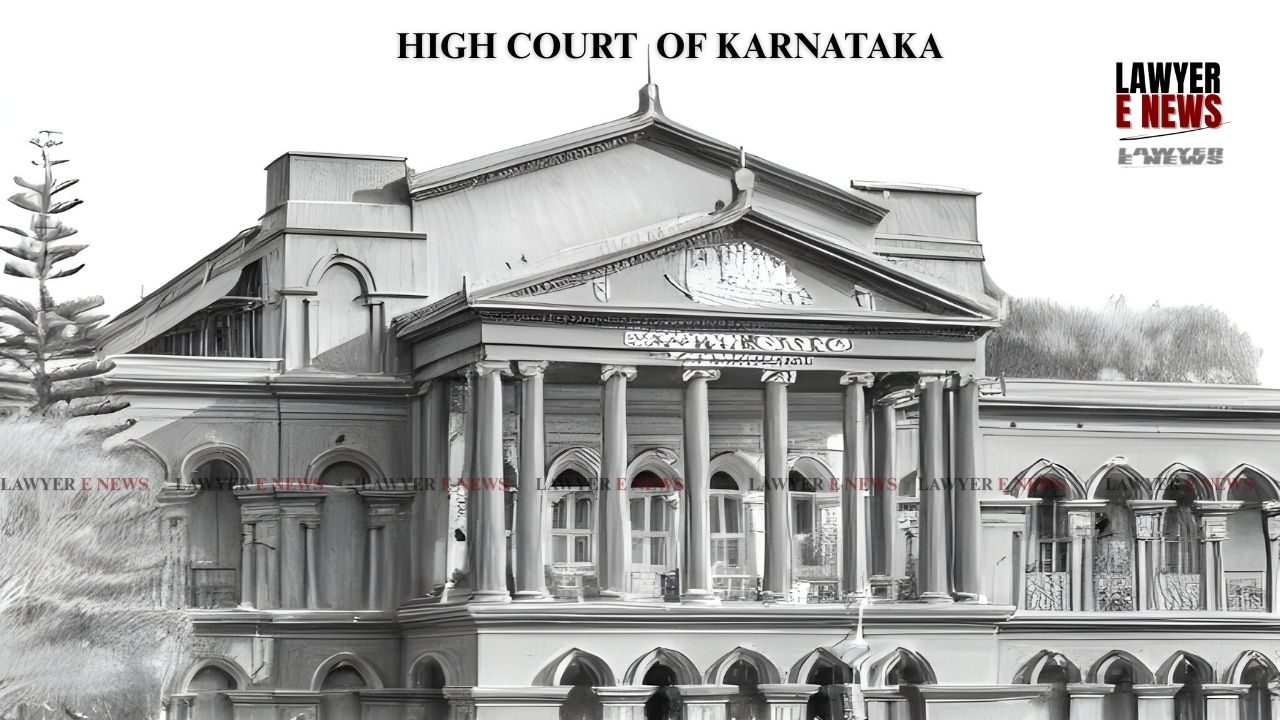
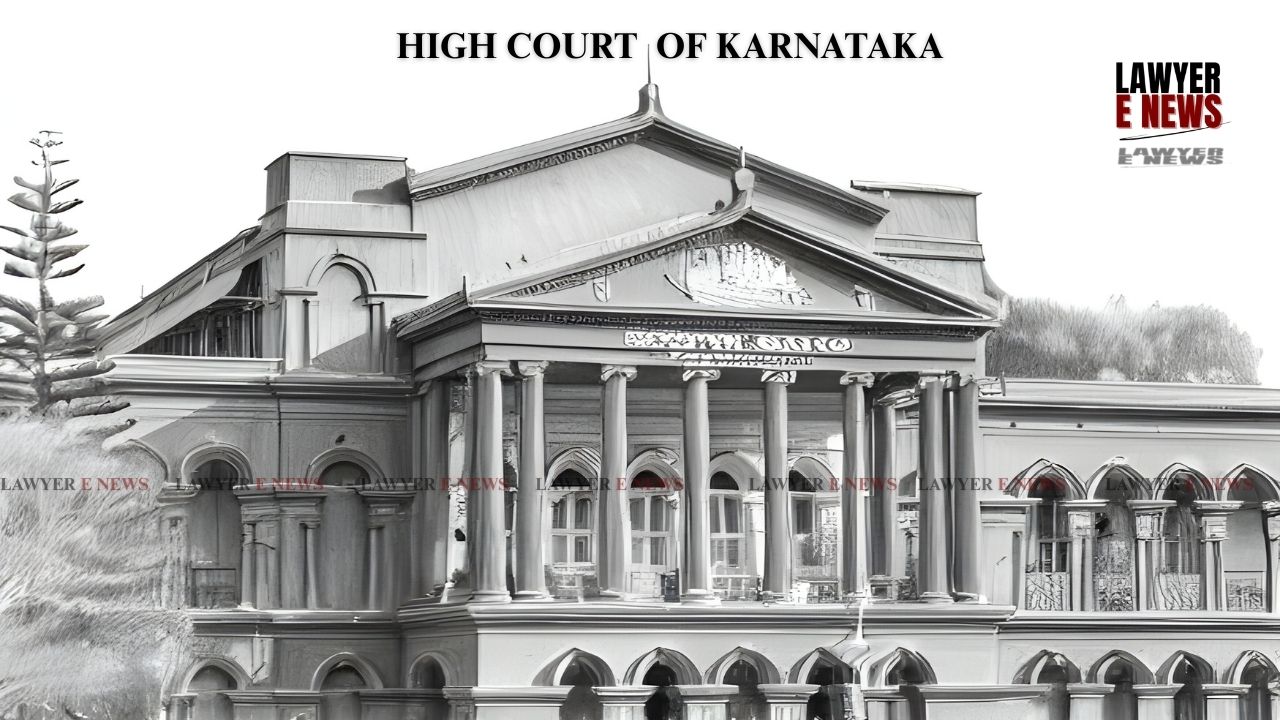
"Merely because the petitioners and accused No.3 are said to have bodyshamed the complainant and insulted her about her physical appearance, it cannot be said that the material on record discloses the commission of the offence punishable under Section 509 IPC." Karnataka High Court, in a significant ruling, held that allegations of body shaming or insults regarding physical appearance do not automatically satisfy the legal ingredients required to constitute an offence under Section 509 of the Indian Penal Code (IPC).
A bench of Justice S.R. Krishna Kumar observed that to attract the provisions of Section 509 IPC, the prosecution must demonstrate that the words, gestures, or acts were specifically intended to insult the modesty of a woman, rather than being mere instances of verbal abuse or derogatory remarks.
The case arose from a complaint filed by a woman alleging that on August 8, 2023, two women and one man (the petitioners and a co-accused) verbally abused her and her friend on a public road in Bengaluru. The complainant alleged that the trio engaged in "fat shaming," "body shaming," and used racist and vulgar language, which caused her severe mental trauma. Following the investigation, a charge sheet was filed, and proceedings were initiated against the petitioners for the offence punishable under Section 509 IPC.
The primary question before the court was whether the allegations of body shaming and insults regarding physical appearance, as narrated in the complaint and supporting witness statements, effectively constitute the offence of "insulting the modesty of a woman" under Section 509 IPC. The court was also tasked with determining whether the continuation of criminal proceedings based on these facts amounted to an abuse of the process of law, and whether the doctrine of parity should be applied given that the proceedings against a co-accused in the same incident had already been quashed.
Upon a detailed examination of the complaint and the charge sheet, the court found a complete absence of the necessary statutory ingredients required for Section 509 IPC. The court underscored that the provision is specifically designed to protect the "modesty of a woman" from intentional insults through words, sounds, gestures, or the exhibition of objects.
Absence of Ingredients for Section 509 IPC
The bench noted that while the conduct alleged—verbal abuse and body shaming—is reprehensible, it does not per se bridge the gap to Section 509 IPC. The court emphasized that unless the act is proven to be directed at the woman's modesty, the provision cannot be invoked. Merely alleging that the petitioners used derogatory language about the complainant's physical appearance fails to disclose the specific elements required to maintain a criminal charge under this section.
Court Applies Doctrine of Parity
The court further noted that the proceedings against the co-accused, Ashish Jain, arising out of the exact same FIR and incident, had already been quashed by a coordinate bench of the High Court on June 26, 2024. In that order, the court had observed that the material on record did not disclose the commission of the alleged offences and that continuing the prosecution would be an abuse of the process of law.
"The material on record will clearly indicate that the same do not disclose the commission of the alleged offences."
Relying on the principle of parity, the court found it just and proper to extend the same relief to the current petitioners. Given that the allegations against the petitioners and the co-accused were identical, similar, and common in relation to the same incident, the court ruled that maintaining the proceedings against the petitioners would be legally untenable.
Consequently, the court allowed the petition and quashed the entire proceedings pending in C.C. No. 1060/2024 before the I Additional Chief Metropolitan Magistrate at Bengaluru, insofar as it concerned the two petitioners. This judgment serves as a vital precedent for criminal practitioners, clarifying that general verbal abuse or body-shaming remarks, while actionable under other provisions or civil law, do not automatically attract the criminal threshold of Section 509 IPC.
Date of Decision: 16 September 2026