-
by sayum
26 October 2026 4:04 PM







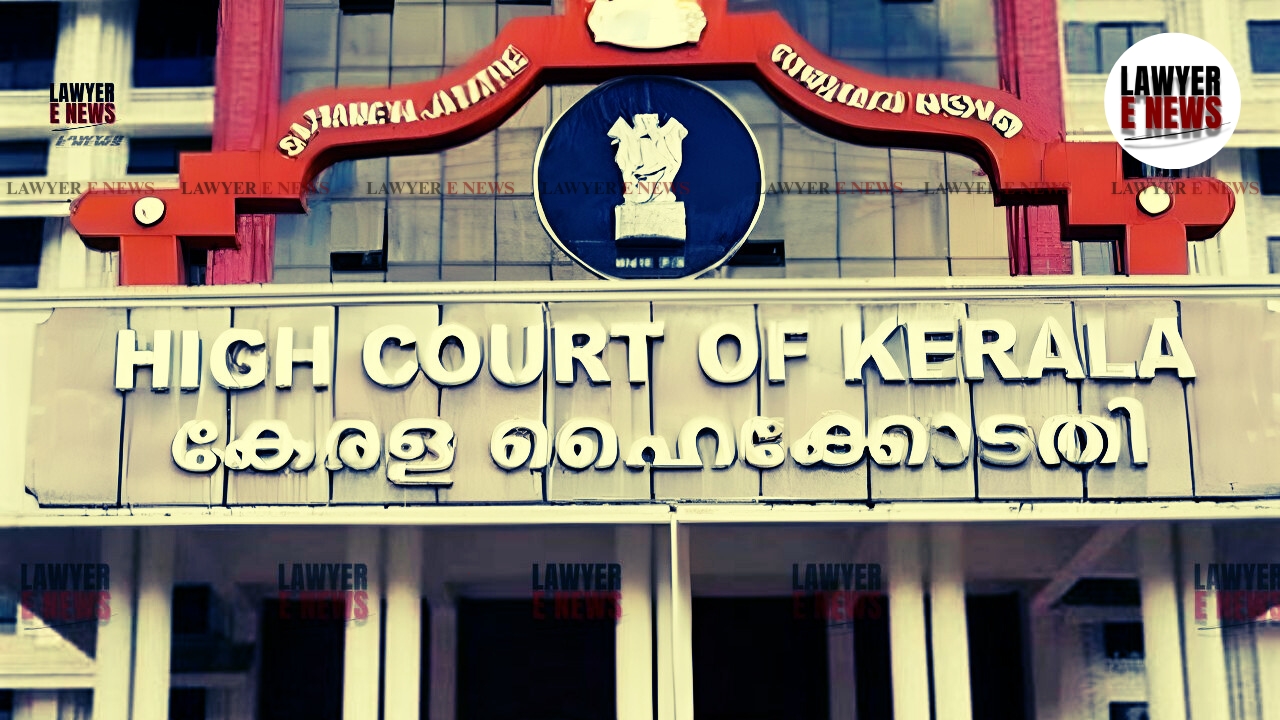
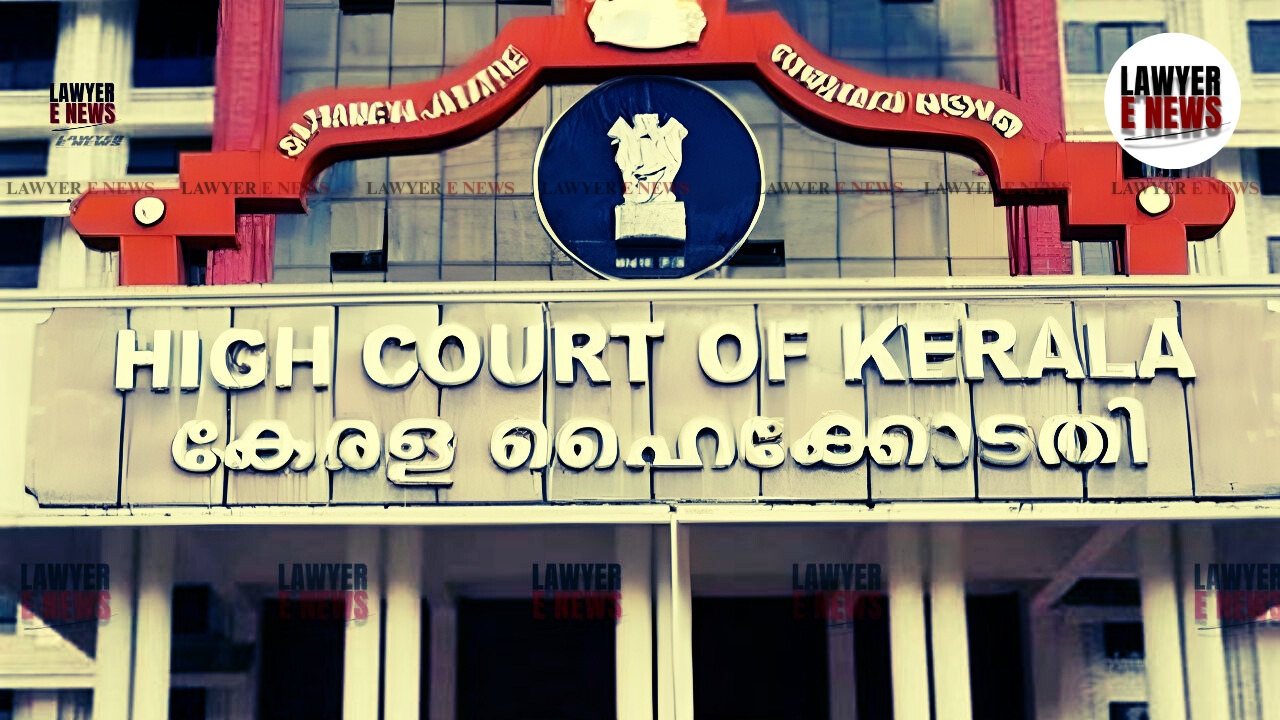
"The sole prerogative in making appointments to the vacancies in the sanctioned posts will be vested in the temple trustee, going by the mandate contained in Section 48(1) of the Act." Kerala High Court, in a significant ruling, held that the Malabar Devaswom Board and its officers lack the legal authority to bypass the hereditary trustee in the selection and appointment process of temple servants.
A division bench comprising Justice Raja Vijayaraghavan V and Justice K. V. Jayakumar observed that any interview board constituted to fill such vacancies without the inclusion of the hereditary trustee is fundamentally illegal and contrary to the statutory mandate of Section 48 of the Madras Hindu Religious and Charitable Endowments Act, 1951.
The petitioner, the hereditary trustee of the Sree Udayakurumba Bhagavathi Temple, challenged the selection process initiated by the Executive Officer for the post of 'Adichuthali' (sweeper). The interview board for the said selection consisted of an Inspector of the Malabar Devaswom Board, the temple’s Executive Officer, and a non-hereditary trustee, notably excluding the petitioner. Upon discovering the irregularities, the Trustee Board resolved to cancel the select list, a move contested by the Devaswom Board.
The primary question before the court was whether the Malabar Devaswom Board or its officers possess the authority to conduct the selection process for temple servants without the participation of the hereditary trustee. The court was also tasked with determining whether a selection process conducted by an improperly constituted interview board is legally sustainable under the provisions of the Madras Hindu Religious and Charitable Endowments Act, 1951.
Statutory Authority For Appointments
The bench emphasized that Section 48 of the Act explicitly mandates that vacancies for office-holders and servants in religious institutions are to be filled by the trustee. The court reaffirmed that the power of appointment is a statutory right vested in the trustee, and executive officers or board officials cannot usurp this role.
Court Explains Prerogative Of The Trustee
Relying on a series of precedents, including Parakkad Sree Bhagavathi Devaswom v. Malabar Devaswom Board and Sivasankaran v. Malabar Devaswom Board, the court underscored that the Devaswom Board cannot maintain a stance contrary to that of the statutory appointing authority. The bench reiterated that the Executive Officer is subordinate to the trustee in matters of personnel management.
"The judgments referred to above would make it amply clear that the appointment of temple servants is the prerogative of the trustees insofar as it is to the post sanctioned by the Board."
Constitution Of The Interview Board
The court found the constitution of the interview board in the instant case to be fundamentally flawed. By excluding the hereditary trustee and proceeding with officials of the Malabar Devaswom Board and a non-hereditary trustee, the selection process failed to meet the legal requirements of the Act. Consequently, the bench declared the resulting select list void.
No Legal Standing For Irregular Selections
The bench held that since the interview board was constituted in violation of Section 48(1) of the Act, any proceedings initiated pursuant to that board’s decision were inherently illegal. The court categorically rejected the arguments of the respondents that the selection process, once concluded, could not be reopened or canceled by the Trustee Board.
"We hold that the very constitution of the Interview Board excluding the hereditary trustee itself is against the mandate of Section 48(1) of the Act. In such circumstances, the select list prepared pursuant to the interview cannot be said to be legal."
The High Court allowed the writ petition, directing the respondents to conduct a fresh selection process for the post of 'Adichuthali' after issuing a new notification. Crucially, the court ordered that the hereditary trustee must be included as a member of the newly constituted Interview Board, with the entire exercise to be completed within an outer limit of four months.
Date of Decision: 24 September 2026