PSU MD Ineligible To Unilaterally Appoint Sole Arbitrator; General Consent Not 'Express Waiver' Under Section 12(5): Allahabad High Court Testimony Of Chance Witnesses Requires Cautious Scrutiny; Presence Must Be Adequately Explained To Sustain Conviction: Allahabad High Court Decree Holder Can Execute Award Against Guarantor Even If Execution Against Principal Borrower Is Pending: Andhra Pradesh High Court NDPS Accused Entitled To Bail If Charge-Sheet Filed Without FSL Report & Tended Later Via Simple Letter: Bombay High Court Cyber Fraud Accused Who Is 'Prime Perpetrator' Cannot Claim Parity With Beneficiaries Who Received Bail: Calcutta High Court Non-Disclosure Of Cash Loan In Income Tax Returns Not A Valid Defence Under Section 138 NI Act: Delhi High Court Non-Examination Of Informant Not Fatal In Corruption Cases If Demand & Acceptance Proved Through Other Evidence: Delhi High Court Trial Judges Must Not Be Mute Spectators; Prosecution Duty To Place Exculpatory Evidence Before Court: Gujarat High Court Failure To Open Sealed Contraband Samples During Trial Vitiates Conviction; Prosecution Must Establish Physical Link In Court: Himachal Pradesh High Court Individual Liberty Must Yield To Collective Interest In Gang Rape Cases: Jammu & Kashmir & Ladakh High Court Denies Bail Able-Bodied Husband Can't Avoid Maintenance By Citing Unemployment; Wife's Employment No Bar To Bridge 'Status Gap': Karnataka High Court Kerala High Court Grants Bail To Accused Who Absconded For 14 Years; Says Continued Incarceration Unnecessary Since Investigation Is Over POCSO Trial Court Cannot Suo Motu Order Assistance Of Special Educator Without First Assessing Competency Of Victim: Madras High Court Compassionate Appointment Claim Cannot Be Rejected On Ground Of Deceased Employee's Service Record If Not In Policy: Madhya Pradesh HC Limitation For Filing Written Statement In Commercial Suits Triggers From Service Of Summons With Plaint: Telangana High Court 'Last Seen' Theory Alone Insufficient To Convict For Murder Without Corroborative Evidence: Supreme Court Acquits Two In Charred Body Case Bail Cannot Be Cancelled Under Section 480(3) BNSS If Subsequent Offence Carries Punishment Less Than 7 Years: Supreme Court Joint Discovery Statements By Multiple Accused A 'Myth', Section 27 Evidence Act Requires Specific Authorship: Supreme Court Acquits Murder Convicts "Further Inquiry" Under Service Rules Does Not Permit De Novo Probe: Supreme Court Reinstates Judicial Officer

Bar Council of India Told to Decide Recount Dispute in Two Weeks – Punjab & Haryana High Court Speeds Up Chandigarh Bar Election

20 August 2025 7:35 PM

By: Deepak Kumar


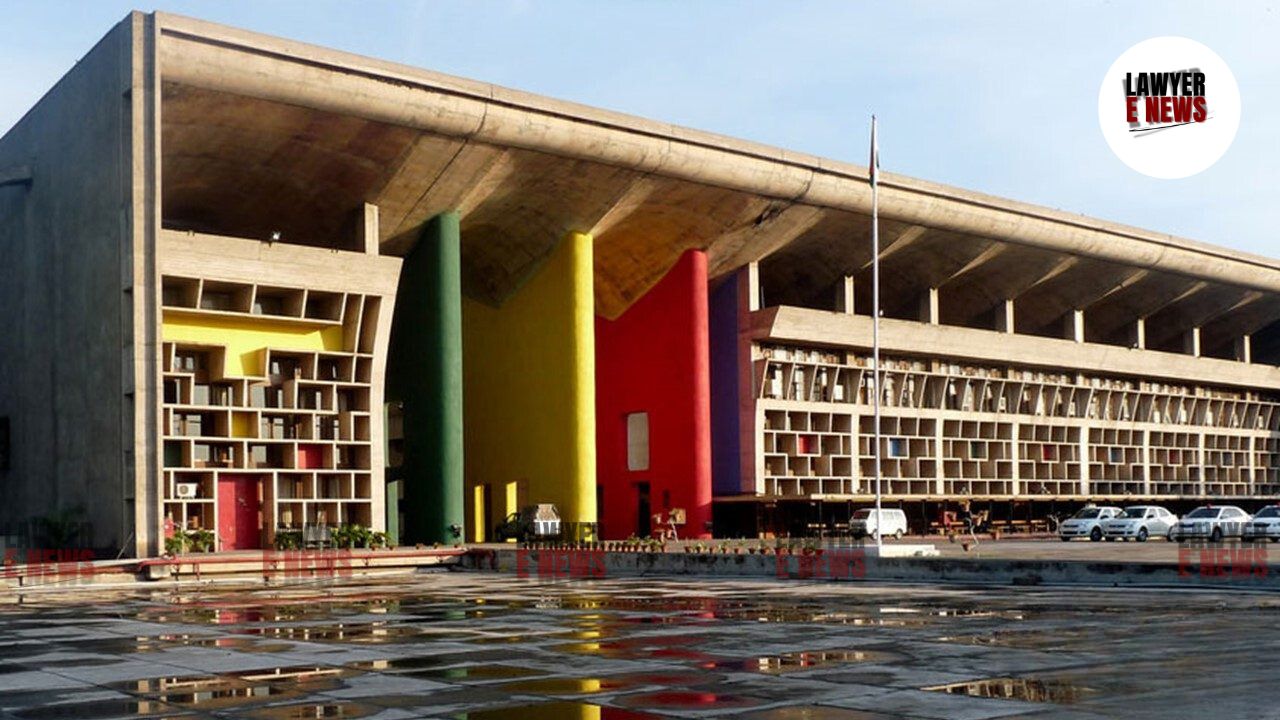
Punjab and Haryana High Court directed the Bar Council of India (BCI) to expeditiously decide a pending revision concerning the recount of votes in the election of the President of the District Bar Association, Chandigarh. The Bench of Justice Gurvinder Singh Gill and Justice Deepinder Singh Nalwa ordered that the matter be concluded within two weeks, emphasising the need for swift resolution of disputes involving professional bodies of advocates.

“Ensure the Requisite Record is Duly Transmitted at the Earliest”

The controversy began when, on 30 May 2025, the Bar Council of Punjab and Haryana ordered a recount of votes polled in the presidential election of the Chandigarh Bar. This decision was stayed by the Bar Council of India on 5 June 2025 through an interim order, prompting the petitioner, Mandeep Singh, to approach the High Court.

During the hearing, the court noted that the revision petition against the stay order was still pending before the BCI. Instead of delving into the merits, the Bench chose to accelerate the adjudication process, directing:

“The Bar Council of India shall take necessary steps for ensuring that the requisite record is duly transmitted to it at the earliest. Respondents No. 2 and 3 are also directed to ensure that the requisite record is transmitted to respondent No. 1 at the earliest.”

Petitioner’s Assurance of Cooperation

Mandeep Singh, present in person, assured the court that he would attend the BCI proceedings on the scheduled dates and would either argue the case himself or arrange for counsel to do so.

The court disposed of the writ petition with a clear mandate: the BCI must conclude the revision within two weeks from the date of the High Court’s order, thereby preventing prolonged uncertainty in the functioning of the Bar Association.

By setting a strict timeline for the BCI, the High Court reinforced the principle that disputes affecting the governance of professional bodies—especially those representing the legal fraternity—must be resolved promptly to maintain institutional credibility and avoid disruption in democratic processes.

Date of Decision: 6 August 2025

Latest Legal News