-
by sayum
28 August 2026 10:07 AM







“Possibility of Bonafide Omission Cannot Be Ruled Out When Counsel Was Not Party to Earlier Case” — On September 9, 2025, the Supreme Court of India delivered a vital ruling on judicial discipline and the professional dignity of advocates. The Court expunged adverse remarks passed by the Madhya Pradesh High Court against an advocate who allegedly misrepresented the status of a previous decision in a connected matter.
Stressing the need for circumspection in making adverse observations about members of the Bar, the Court ruled that the criticism by the High Court in this case was avoidable, especially since the counsel was not involved in the earlier case which he was accused of omitting to disclose.
Counsel Censured for Non-Disclosure in Constitutional Challenge
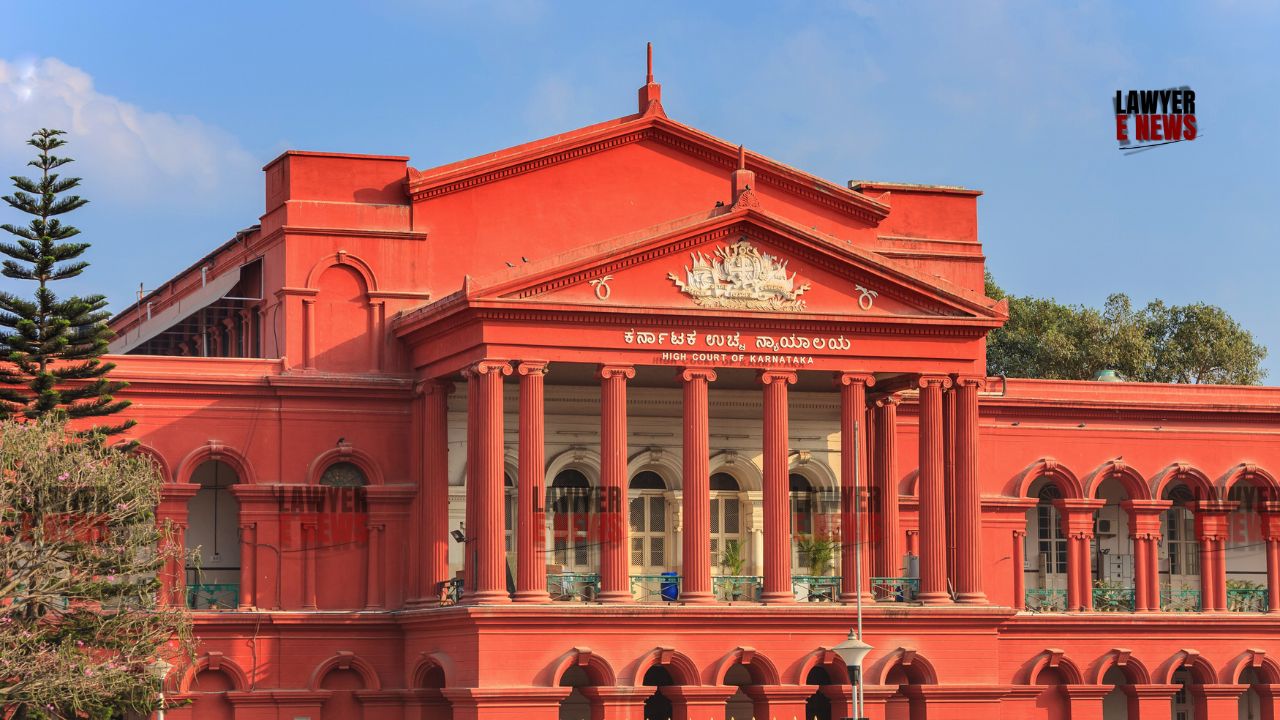
The appellant, Siddharth, is an advocate who appeared for petitioners in Writ Petition No. 6228 of 2022 before the Madhya Pradesh High Court at Jabalpur. The matter involved a constitutional challenge to Rule 6 of the M.P. Medical Education Admission Rules, 2018.
The High Court, in its final order dated April 6, 2022, while dismissing the writ petition, made strong remarks against the conduct of the advocate. The Division Bench stated that:
“Learned counsel for petitioners… failed to disclose that there was no challenge made to the Coordinate Bench decision dated 15.12.2020… The impression given… was that the entire judgment… was upturned by the Apex Court… In all fairness, learned counsel… ought to have informed this Court… Unfortunately, this was not done… Accordingly, this Court records its displeasure about the conduct of counsel for petitioners – Shri Siddharth Gupta.”
The High Court accused the counsel of failing to disclose that the judgment in W.P. No. 18699 of 2020 (Arushi Mahant & Ors. v. State of M.P.)—which upheld the constitutionality of the amended Rule—had not been challenged before the Supreme Court and therefore remained binding.
Plea for Expunction of Remarks
Aggrieved by the personal criticism, the appellant approached the Supreme Court seeking expunction of the adverse remarks.
Senior Advocate Shri Siddharth Bhatnagar, appearing for the appellant, submitted that:
The appellant was not the advocate in the Arushi Mahant case.
The omission, if any, was bona fide, and not intended to mislead the Court.
The appellant tendered an unconditional apology for any unintentional error.
Importantly, the appellant filed IA No. 17812 of 2023 before the High Court seeking modification of the judgment to the extent of expunging remarks against him. However, this application was dismissed on January 5, 2024, prompting the present appeals.
Remarks Unwarranted — "Could Have Been Avoided"
The Bench comprising Justices Vikram Nath and Sandeep Mehta examined the relevant portion of the High Court’s judgment and ruled: “The adverse observations made against the Advocate… could have been avoided in the facts and circumstances of the case.”
The Court accepted the specific case of the appellant that he had no role in the Arushi Mahant litigation and observed: “The possibility of the fact regarding the decision rendered in W.P. No. 18699 of 2020 not having been challenged may have bona fide escaped the notice of the appellant.”
Accordingly, the Court ordered: “The adverse observations… made in Para 7 of the impugned order are hereby expunged so far as they relate to the appellant.”
Further, the dismissal of the modification application (IA No. 17812/2023) by the High Court was also quashed and set aside.
Judicial Norms on Making Remarks Against Advocates: A Cautionary Reminder
This ruling is a reaffirmation of judicial restraint when it comes to commenting on the conduct of lawyers. The Supreme Court has time and again held that personal criticism against advocates must be made only when it is imperative for justice, and even then, must be based on clear and proven misconduct.
While the High Court had found fault with the manner in which the Supreme Court’s decision was cited, the apex court here found that the inference of impropriety was not warranted, especially in the absence of malicious intent or deliberate suppression.
This decision aligns with previous judgments such as:
R.K. Anand v. Delhi High Court
Re: Vinay Chandra Mishra
D.P. Chadha v. Triyugi Narain Mishra
Each of these have emphasized that professional misconduct must be clear, grave, and cannot be presumed, particularly when the stakes involve the reputation and integrity of lawyers.
Expunction Upheld, Remarks Withdrawn, Case Closed
With this judgment, the Supreme Court has reaffirmed its protective stance toward the Bar, upholding the principle that adverse judicial remarks must be tempered with caution and should not be casually made, especially when they affect professional standing.
The Court disposed of the appeals and any pending applications in the matter.
Date of Decision: September 9, 2025