-
by sayum
05 August 2026 9:31 AM







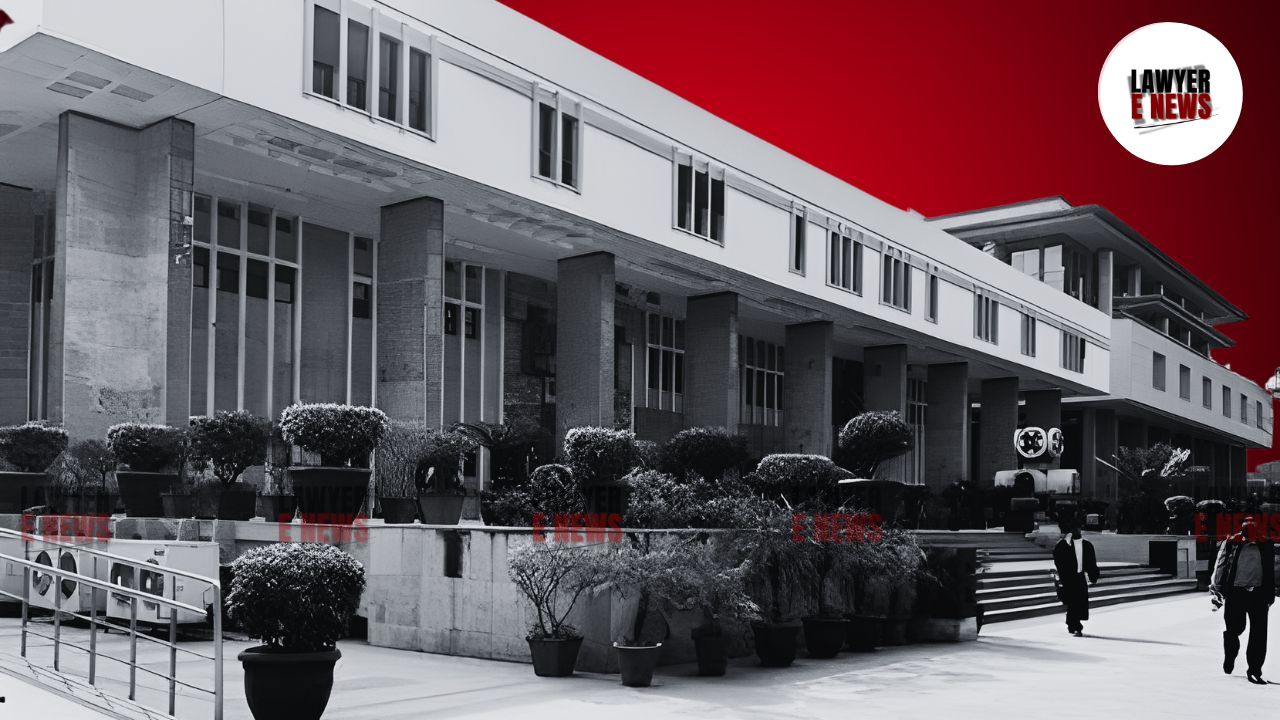
“Filing Of Separate Application Not Mandatory For Ad-Interim Maintenance Under Section 125 CrPC — Relief Can Be Granted Based On Prima Facie Hardship”, In a significant ruling Delhi High Court through Hon’ble Dr. Justice Swarana Kanta Sharma has drawn a vital distinction between interim maintenance and ad-interim maintenance under Section 125 of the Code of Criminal Procedure, 1973, clarifying that “ad-interim maintenance is a temporary, provisional relief granted to mitigate immediate financial hardship, and it cannot be made applicable retrospectively from the date of filing of the application but only from the date of the order.”
The Court held that “requiring a separate application for ad-interim maintenance would frustrate the very object of Section 125 CrPC, which is to protect dependents from destitution and immediate hardship.” This clarification came in the case titled Naveen Kumar vs. Kavita, where the petitioner-husband had challenged the grant of ₹6,000/- per month as ad-interim maintenance to his estranged wife from the date of filing of the maintenance application, rather than from the date of the order.
“Ad-Interim Maintenance Is Distinct From Interim Maintenance — It Cannot Be Retrospective”
While adjudicating the challenge, the Court decisively observed, “Ad-interim maintenance is not the same as interim maintenance. It is granted at a preliminary stage to address immediate financial needs pending a detailed hearing. It is a stop-gap arrangement that cannot be equated with the final determination of rights that occurs during the adjudication of interim or final maintenance.”
Rejecting the Family Court’s approach that treated ad-interim maintenance on par with interim maintenance for retrospective applicability, the Court stated emphatically, “To direct that ad-interim maintenance be payable from the date of filing is legally untenable. Such an order transforms what is meant to be a provisional and immediate relief into a retrospective financial liability, without the benefit of full judicial scrutiny, pleadings, or income affidavits.”
The Court held that, “It is only from the date of passing the order that ad-interim maintenance becomes operational because it flows from the prima facie satisfaction of the Court on the date the order is passed, not before.”
“Rajnesh v. Neha Does Not Apply To Ad-Interim Maintenance” — Misapplication Corrected
The petitioner’s counsel had heavily relied on the Supreme Court’s landmark judgment in Rajnesh v. Neha [(2021) 2 SCC 324], arguing that since interim and final maintenance must be awarded from the date of filing, the same principle must extend to ad-interim maintenance.
The Delhi High Court firmly rejected this argument, clarifying that, “Rajnesh v. Neha deals with interim and final maintenance wherein the Court’s determination is based on the exchange of pleadings, income affidavits, and a judicial assessment after hearing both sides. Ad-interim maintenance, by contrast, is a temporary measure granted in the interim period before even the interim application is fully heard.”
It further stated that, “Reading Rajnesh v. Neha as covering ad-interim maintenance would amount to collapsing the conceptual and procedural difference between interim and ad-interim relief, which neither the letter nor the spirit of the law permits.”
“Separate Application For Ad-Interim Maintenance Not A Legal Requirement” — Court Upholds Inherent Power Of Family Courts
The Court further clarified an important procedural question, ruling that, “There is no legal mandate that a separate written application must be filed for the grant of ad-interim maintenance. The Family Court, in exercise of its inherent jurisdiction and powers under Section 125 CrPC, is fully empowered to grant ad-interim maintenance based on the prima facie material before it and the urgency of the financial distress faced by the claimant.”
Rejecting the petitioner’s technical objection, the Court noted, “Insisting on a separate application would defeat the object of Section 125 CrPC, which is a welfare-oriented provision aimed at preventing destitution. The insistence on procedural formalities cannot override substantive justice where the material before the Court establishes a clear case of immediate hardship.”
Citing its earlier ruling in Inder Singh v. Sumitra [2019 SCC OnLine Del 9485], the Court reiterated, “When the admitted income of the respondent is already on record through salary slips or similar documents, the Court does not need to wait for further affidavits to extend ad-interim relief.”
“PWDV Act Proceedings Are Distinct From Section 125 CrPC — Dismissal Under DV Act Does Not Bar Maintenance Under CrPC”
The petitioner had also argued that since the respondent had been denied maintenance under the Protection of Women from Domestic Violence Act, 2005, her claim under Section 125 CrPC should also fail.
The Court dismissed this contention, holding that, “The remedy under Section 125 CrPC is an independent and secular remedy, distinct from proceedings under the DV Act. It is well-settled law that failure to secure maintenance under one statute does not extinguish the statutory right to claim maintenance under another.”
The Court stressed, “The Family Court was absolutely correct in disregarding this argument. Maintenance under the DV Act is an additional remedy, not an exclusionary one.”
“Ad-Interim Maintenance Must Begin From Date Of Order — Retrospective Application Is Misconceived”
On the issue of when ad-interim maintenance becomes payable, the Court provided a clear doctrinal clarification:
“The very nature of ad-interim relief — being a stop-gap arrangement granted based on preliminary material without full pleadings or evidence — demands that it operates prospectively from the date of the order, not retrospectively from the date of the application.”
It further held, “The legislative scheme of Section 125 CrPC read with judicial precedents makes it clear that retrospective application is warranted only in the case of interim and final maintenance, not in ad-interim measures. Ad-interim maintenance arises from the judicial exercise of discretion at the time of the order, not before.”
Court Modifies Family Court’s Orders But Upholds The Principle Of Granting Ad-Interim Relief
The Court concluded by holding, “The Family Court was justified in awarding ₹6,000 per month as ad-interim maintenance, considering the petitioner’s admitted income of ₹17,907 per month. The amount is fair and reasonable to address the immediate sustenance needs of the respondent.”
However, it clarified, “The direction to make the said maintenance payable from the date of filing is incorrect in law. The correct date is the date of the order i.e., 24.05.2024.”
The Court disposed of the revision petition with the modification that the ad-interim maintenance shall be payable from 24.05.2024, not from the date of filing of the application.
Date of Decision: 01 July 2025