-
by sayum
05 August 2026 9:31 AM







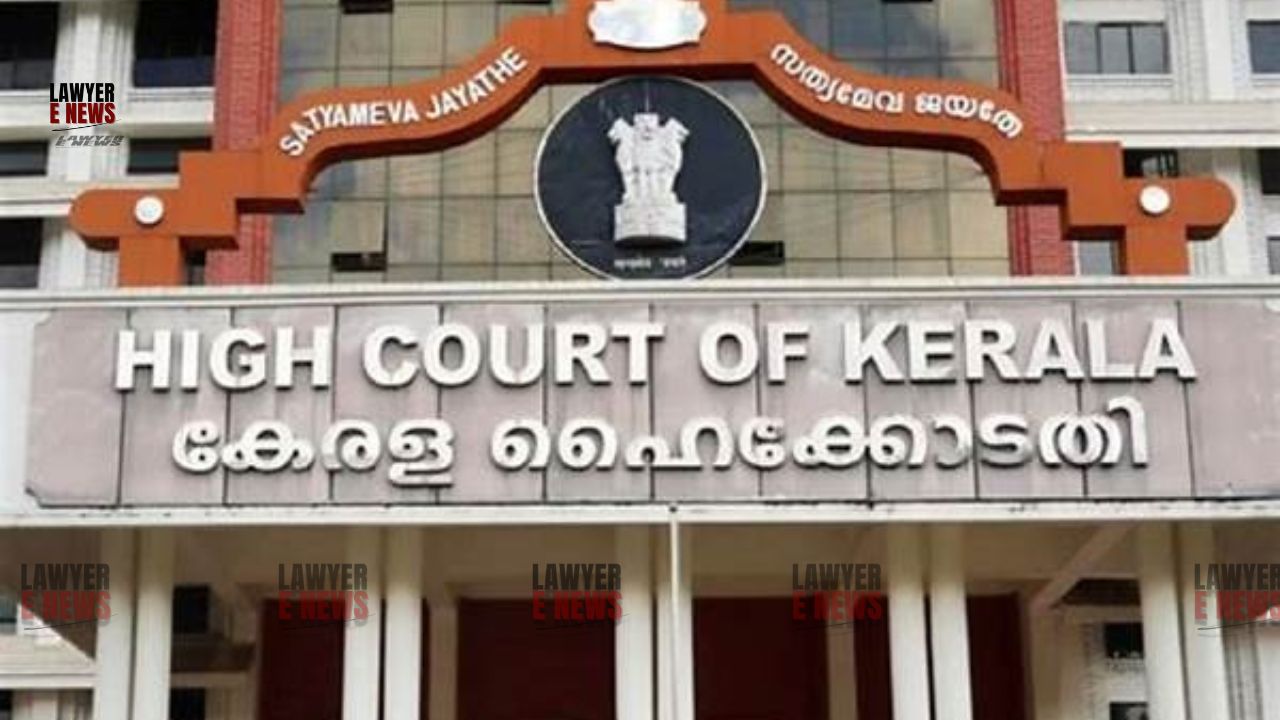
“Disciplinary Proceedings Are Independent; Acquittal on Technical Grounds Does Not Erase Misconduct”, In a strongly worded judgment on 3rd July 2025, the Kerala High Court dismissed the writ petition of a school teacher accused of sexually abusing a minor, holding that an acquittal in a criminal trial based on hostile witnesses does not absolve him from departmental accountability. Justice D.K. Singh ruled that the disciplinary process must proceed, as it operates under a different legal standard from criminal trials.
The Court firmly observed, “Disciplinary proceedings are governed by the standard of preponderance of probabilities, not proof beyond reasonable doubt, and serve the purpose of preserving institutional integrity and discipline.”
Criminal Acquittal but Departmental Proceedings Continue
The petitioner, Abdul Gafoor, was working as a Junior Language Teacher (Arabic) since 2003. In 2024, a criminal case was filed against him under serious charges, including Section 354A IPC and multiple sections of the POCSO Act, following allegations by a 10-year-old female student. Though the criminal court acquitted him after the victim and her mother turned hostile, the school authorities continued with departmental proceedings, citing grave misconduct, and proposed compulsory retirement.
Aggrieved, the petitioner approached the High Court to quash the disciplinary proceedings, citing his acquittal as grounds for exoneration.
The Court considered a central legal issue:
Whether disciplinary proceedings initiated against a teacher accused of sexual assault can continue even after acquittal in a criminal trial, especially when the acquittal was due to hostile witnesses.
Why Acquittal Does Not Automatically End Departmental Action
Justice D.K. Singh began with a philosophical note on the sacred role of teachers in society and observed that a teacher occupies a fiduciary position of trust.
Relying on established precedents, the Court highlighted the well-settled principle that
“Disciplinary proceedings are independent of criminal proceedings… The acquittal by a criminal court does not debar the employer from taking departmental action if misconduct is proved on preponderance of probabilities.”
The Court referred extensively to Supreme Court rulings in Nand Kishore Prasad vs. State of Bihar (AIR 1967 SC 389), Parameswaran Namboodiri vs. State of Kerala (1981 KLT 231), and Commissioner of Police vs. Mehar Singh (2013) 7 SCC 685, which collectively underscore that acquittal on benefit of doubt or on account of hostile witnesses does not equate to innocence.
In particular, the Court remarked: “Acquittal in a criminal case does not necessarily mean that the alleged misconduct did not occur. The objectives of criminal prosecution and disciplinary control are fundamentally distinct.”
Teacher’s Misconduct Established in Departmental Inquiry
Justice Singh found that the departmental inquiry had sufficient evidentiary basis to proceed. The inquiry included consistent accounts from the headmaster, class teacher, and initial statements by the victim under Section 164 CrPC before they turned hostile during trial.
The Court observed: “The teacher, headmaster and others have fully supported the case against the petitioner in the domestic inquiry… his conduct has been found grossly unbecoming of a teacher.”
The Court also stressed the special responsibility placed on teachers:
“The scar of sexual misconduct, even when unproven in court, permanently affects a child’s psyche and undermines the moral authority of educational institutions.”
Premature Challenge Rejected: High Court Declines to Interfere at Show Cause Notice Stage
Importantly, the Court noted that the petitioner approached the Court prematurely, at the stage when only a show cause notice proposing compulsory retirement had been issued. Justice Singh held:
“Premature interference in disciplinary proceedings is unwarranted when the disciplinary process is yet to conclude.”
“Misconduct, Not Criminal Guilt, Decides Disciplinary Action”
The High Court concluded by dismissing the writ petition and upholding the continuation of departmental proceedings, emphasizing that the protection of children and the sanctity of educational spaces overrides mere technical acquittals.
Justice Singh concluded:
“A teacher accused of such grave misconduct, even if acquitted in court, must pass the higher test of professional ethics and accountability. The inquiry stands justified.”
Date of Decision: 3rd July 2025