-
by sayum
29 August 2026 3:15 PM







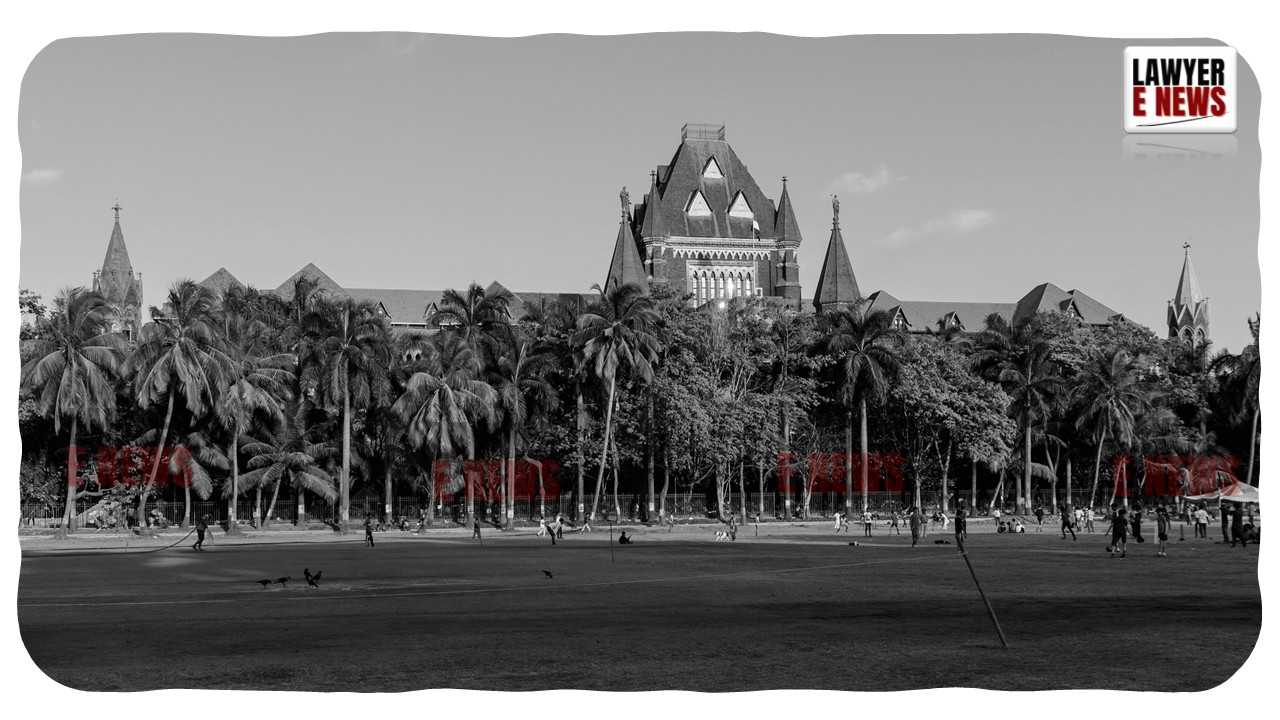
“This is an open racket… lawless regime cannot continue,” In one of the most scathing rebukes of municipal governance in recent years, the Bombay High Court has exposed what it calls a “gross dereliction of duty” and “deliberate inaction” by Mumbai civic officials who allowed commercial establishments to operate for over a decade in a partially constructed building without an Occupation Certificate (OC).
The Division Bench of Justice G.S. Kulkarni and Justice Kamal Khata, hearing a batch of petitions led by Sameer Subhash Patil & Ors. v. State of Maharashtra & Ors., found that while 12 ground-floor shops and two first-floor premises in Dadar flourished illegally, 110 residential tenants were left without their rightful homes for more than 15 years.
“This is an open racket the Municipal Officers are indulging to perpetuate illegalities. Such lawless regime cannot continue to subsist,” the Court declared.
A Tale of Two Tenants: Commercial Thriving, Residential Waiting
The building in question—redevelopment halted at a skeletal ten floors—has never been issued an OC. Yet, according to the Court, “hundreds of persons visit these shops daily, assuming they are safe and certified.” The reality: no municipal clearance, no fire safety approval, and no structural certification.
The judges noted that this “situation of illegality is aided and enabled by the municipal officers,” with not a single statutory notice issued for nearly 12 years until the Court intervened earlier this month.
“Blame Game of Self-Convenience”
The affidavits filed by senior civic officials drew particular ire. Assistant Municipal Commissioner Vinayak Vispute admitted knowledge of the illegal occupation but claimed responsibility lay with the Building Proposal Department. The Bench was unmoved:
“This clearly indicates a blame game of self-convenience… If accepted, it would amount to making a mockery of the rules, regulations, obligations, duties and responsibilities.”
Even when prosecutions were launched, the Court found they were “mere formalities” designed to fail—such as a 2016 case where accused shop occupants were acquitted because the municipal witness offered only “hearsay knowledge.”
A Farce of Enforcement
The judgment spares no words in describing how sham prosecutions became “certificates for legal occupation” in the eyes of unscrupulous occupants.
“A farce of an action is the rule of the day… It brings about a situation of total absence of the rule of law in urban planning.”
The Court stressed that municipal negligence in such cases is not just an administrative lapse—it is a direct threat to public safety, especially in commercial premises frequented by unsuspecting customers.
Public Accountability and Systemic Reforms
Drawing from its earlier order and the precedent set in the Jilani Building case, the Bench emphasised that public officials, “howsoever high or mighty,” cannot evade accountability to “We the People.”
To break what it called a cycle of inaction, blame-shifting, and litigation at public expense, the Court has constituted a two-member Special Committee comprising former Justice G.S. Patel and Senior Advocate Naushad Engineer, assisted by four senior BMC officers.
The Committee, to submit its recommendations within four months, will suggest measures to curb illegal constructions, streamline enforcement, reduce unwarranted litigation, and bring “a robust, accountable and lawful regime” to municipal governance.
“We the Citizens of Mumbai”
In perhaps the most civic-minded passage, the judgment warns that without urgent reform, “we the citizens of Mumbai” will remain victims of “messy urban plight, civil disorder and chaos” — from encroachments and illegal constructions to systemic neglect.
The Court has permitted all lawful actions against the illegal occupants to proceed and directed MHADA to restart redevelopment, conduct structural audits, and provide transit accommodation to eligible tenants.
Date of Decision: 25/07/2025