
-
by sayum
28 August 2026 2:11 PM







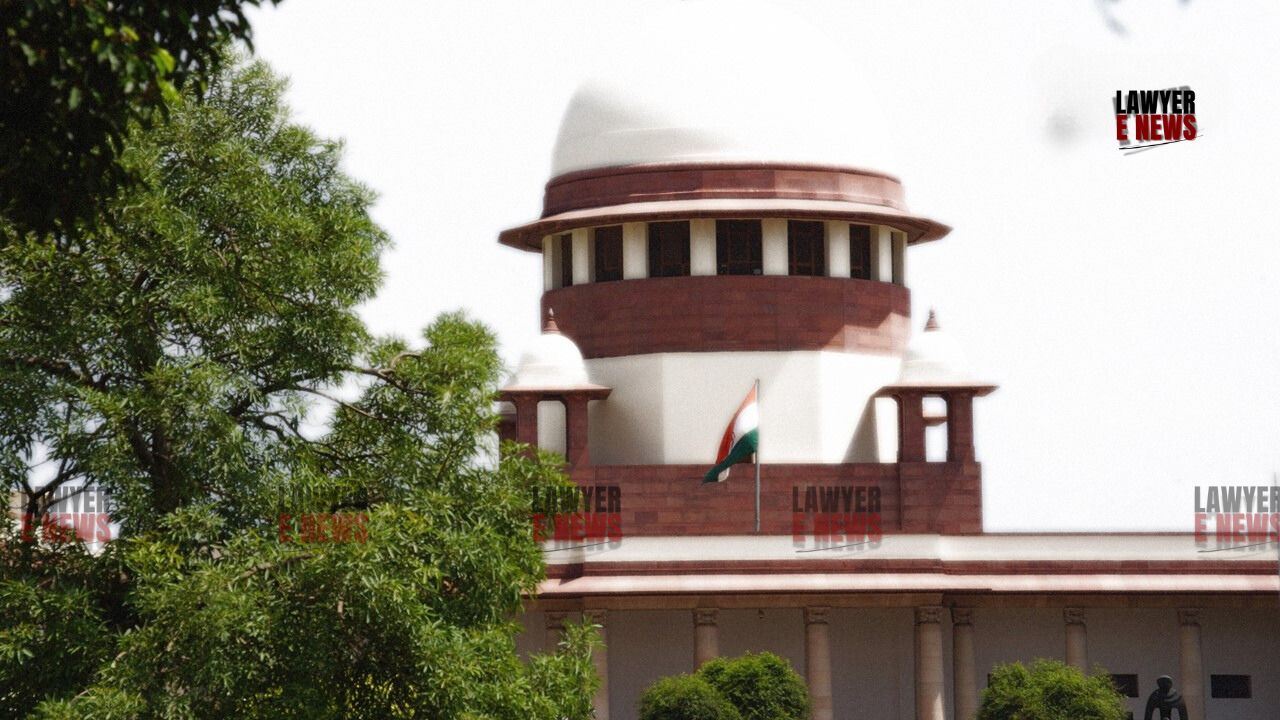
“Delay, Vagueness, and Weaponised Allegations Point to Abuse of Process—Not Every Failed Relationship Is a Crime”: In a pivotal judgment Supreme Court of India quashed the criminal proceedings in a rape-on-false-promise-to-marry case, holding that the summoning order issued by the Additional Chief Judicial Magistrate, Allahabad was based on vague, unsubstantiated, and doubtful allegations.
A Bench of Justice J.B. Pardiwala and Justice Sandeep Mehta emphatically held:
“Continuation of the criminal proceedings against the appellant would be nothing but gross abuse of the process of law.”
The Court underscored that the complaint was filed four years after the alleged incidents of rape, with no satisfactory explanation for the delay, no specific dates or corroborative evidence, and allegations that appeared tailored to fit legal ingredients rather than reflect genuine trauma.
“You Cannot Turn a Failed Relationship into a Criminal Trial by Delayed and Vague Allegations”: Court Calls Out Misuse of Rape Laws
The original complaint by the respondent alleged that in 2010, the accused raped her repeatedly, including unnatural offences, and blackmailed her using a video clip. She claimed she became pregnant in 2011, was forced to abort, and when she and her family approached him for marriage, she was subjected to caste-based abuse by his relatives.
However, as per the Apex Court: “None of the allegations levelled in the complaint are substantiated by any other independent evidence on record… the complaint fails to disclose the date of the incident including the place of the incident, etc.”
“Summoning Any Person Based on Frivolous Complaints Is a Very Serious Matter”: SC Reiterates Safeguards from Mohammad Wajid and Deepak Gulati Judgments
Invoking its own precedent in Mohammad Wajid v. State of U.P., 2023 SCC OnLine SC 951, the Supreme Court reminded that courts must scrutinize rape allegations—particularly when they're invoked years after consensual relationships have soured.
“The court owes a duty to look into many other attending circumstances emerging from the record… and if need be, with due care and circumspection try to read in between the lines.”
The Court also reaffirmed the principles from Deepak Gulati v. State of Haryana:
“There is a clear distinction between rape and consensual sex. The court must examine whether the accused had actually wanted to marry the victim or had mala fide motives.”
In Kesarwani’s case, the Court found that the relationship, while perhaps intimate, appeared consensual and soured due to “personal reasons,” not deception. It ruled that:
“An accused can be convicted for rape only if the Court reaches a conclusion that the intention of the accused was mala fide, and that he had clandestine motives.”
“False Promise to Marry Is Not Always a Crime—There Must Be Evidence That the Promise Was False from the Outset”: Court Applies Rajiv Thapar Test for Quashing
Applying the four-step test laid down in Rajiv Thapar v. Madan Lal Kapoor, the Supreme Court held that:
The complaint lacked sound, indubitable material.
It failed to overrule the factual assertions made by the accused.
It wasn’t supported by independent evidence.
Proceeding with trial would be an abuse of judicial process.
“Even the Complainant Didn’t Accept Supreme Court Notice—It Speaks Volumes About Her Intent”: Court Notes Absence of Serious Pursuit by Alleged Victim
In a striking observation, the Court noted that the complainant refused to even accept the notice issued by the Court, and held:
“This is one additional ground that she was not at all serious right from day one.”
Summoning Quashed, Case Closed
Holding that the High Court erred in dismissing the Section 482 petition, the Apex Court quashed all proceedings in Criminal Case No. 655/2014 pending before the Additional Chief Judicial Magistrate, Allahabad, noting that such vexatious prosecution would waste precious judicial time and destroy reputations without basis.
“The impugned order passed by the High Court is set aside. The proceedings of Criminal Case No. 655/2014 pending in the Court of Additional Chief Judicial Magistrate are hereby quashed.”
This judgment is a resounding reaffirmation of judicial responsibility in safeguarding individuals from malicious criminal prosecution, particularly in cases where personal relationships collapse into vendetta-driven legal actions. The Court makes clear that criminal law must not be reduced to a weapon in the aftermath of failed romance, and urges careful scrutiny of rape allegations made under promises of marriage.
It also clarifies that accused persons have the right to seek protection from frivolous litigation at the earliest possible stage, and that High Courts must vigorously exercise their powers under Section 482 CrPC in such situations.
Date of Decision: 2 September 2025





