
-
by sayum
11 November 2026 4:32 PM







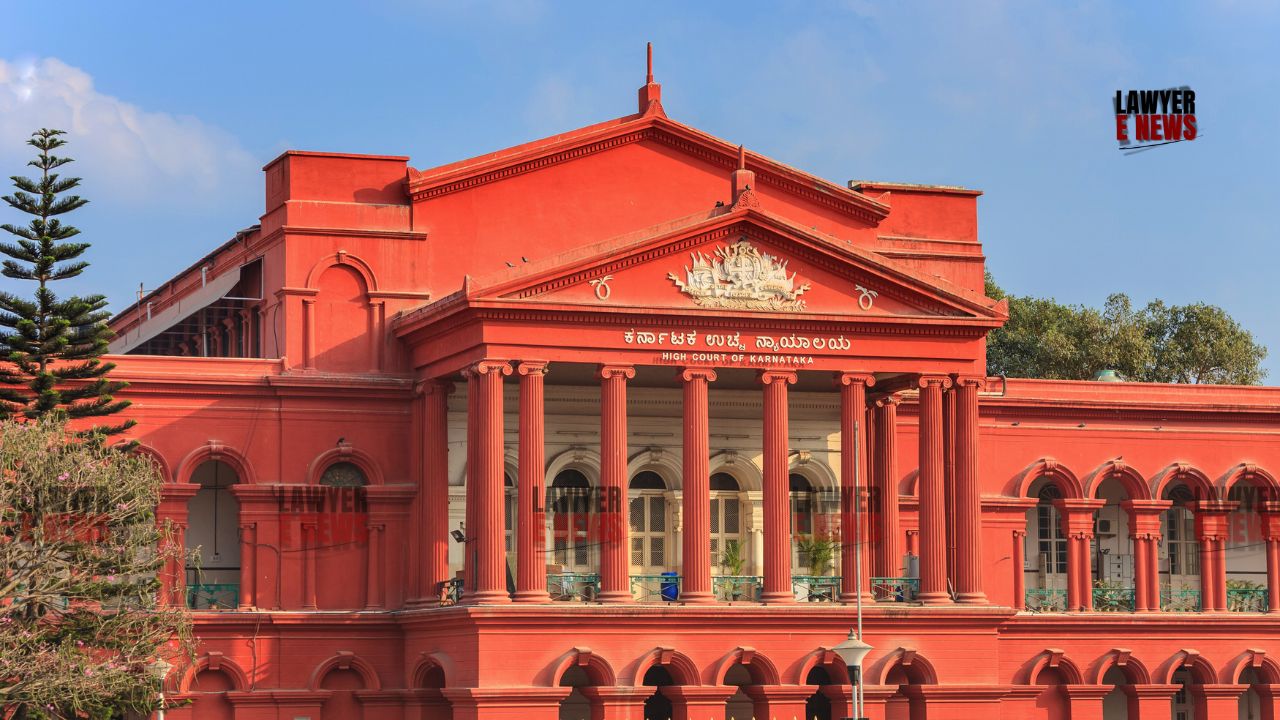
"None of the aforesaid circumstances exist in the present case. Therefore, there is no reason to entertain the present writ petition when the petitioner has an alternative remedy of an appeal, which is provided under the RERA Act." Observing that an extraordinary writ remedy under Articles 226 and 227 of the Constitution cannot bypass the statutory appellate mechanism under Section 43(5) of the Real Estate (Regulation and Development) Act, 2016 absent exceptional circumstances, the Karnataka High Court on November 3, 2026 dismissed a developer's plea challenging an order passed by the Real Estate Regulatory Authority.
The respondent-allottee had entered into an agreement of sale in 2012 to purchase a residential site in the petitioner's layout project, paying a total consideration of Rs. 12,40,000. Due to prolonged delay and non-delivery of the plot, the allottee filed a complaint under Section 31 of the RERA Act, leading to an initial ex-parte refund order that was later recalled under Order 9 Rule 13 CPC and restored for full adjudication. Following prolonged hearings and written submissions, the Authority passed a fresh order on August 24, 2023 directing refund with interest, prompting the developer to approach the High Court.
Whether a writ petition is maintainable against a final regulatory order passed by RERA under Section 31 when a statutory appeal is provided under Section 43(5) of the RERA Act?
Whether the petitioner-promoter was denied a fair hearing or whether the Regulatory Authority acted without jurisdiction so as to justify circumventing the statutory appellate remedy?
Writ jurisdiction cannot bypass statutory appeal without meeting settled exceptions
Justice T.P. Vivekananda reiterated the established legal position governing writ maintainability in the presence of statutory alternative remedies. The Court emphasized that an aggrieved party must pursue statutory forums unless specific jurisdictional or constitutional exceptions are demonstrated.
The Court noted: "It is well established that the Writ Court would be justified in entertaining the writ petition despite the party having an alternative remedy under the statute only under the following circumstances: (i) where the writ petition seeks enforcement of any of the fundamental rights; (ii) where there is violation of principles of natural justice; (iii) where the order or the proceedings are wholly without jurisdiction; or (iv) where the vires of an Act is challenged."
Extensive participation before Authority negates plea of natural justice violation
Examining the procedural history, the Court rejected the developer's claim that the impugned order had been rendered in breach of natural justice principles. The order sheet established that after the initial ex-parte order was recalled on the petitioner's application under Order 9 Rule 13 CPC, the proceedings remained pending from 2021 to 2023 with regular hearings and liberty granted to file written submissions.
The Bench underscored that the developer had been given ample opportunity to present his case, stating: "Therefore, the contention of the petitioner that the order is passed in violation of principles of natural justice does not hold any substance. Insofar as the contention that the order is passed without jurisdiction is also liable to be rejected, since the RERA has the jurisdiction to adjudicate the complaint filed by the respondent herein, since the petitioner has failed to adhere to the terms and conditions of the agreement of sale dated 14.06.2012."
Subsequent functioning of Appellate Tribunal closes interim writ remedy window
Addressing the developer's submission that the Appellate Tribunal was non-functional at the time the writ petition was filed, the Court pointed out that this justification had ceased to operate. Since the Appellate Tribunal had since been constituted and was actively functioning, the petitioner had to be relegated to the statutory forum.
The Court observed: "As regards the first reason of the Tribunal not having been constituted at the relevant point of time, the said situation no longer exists, since the Appellate Tribunal has been constituted and presently it is functioning."
Dismissing the writ petition as not maintainable, the High Court relegated the petitioner to pursue the statutory remedy of appeal under Section 43(5) of the RERA Act. The Court protected the developer's remedy on limitation, observing that he would be entitled to seek exclusion of time spent litigating before the High Court under Section 14 of the Limitation Act, 1963, while keeping all rival contentions on the merits open for independent determination by the Appellate Tribunal.
Date of Decision: November 3, 2026