-
by sayum
28 August 2026 2:11 PM







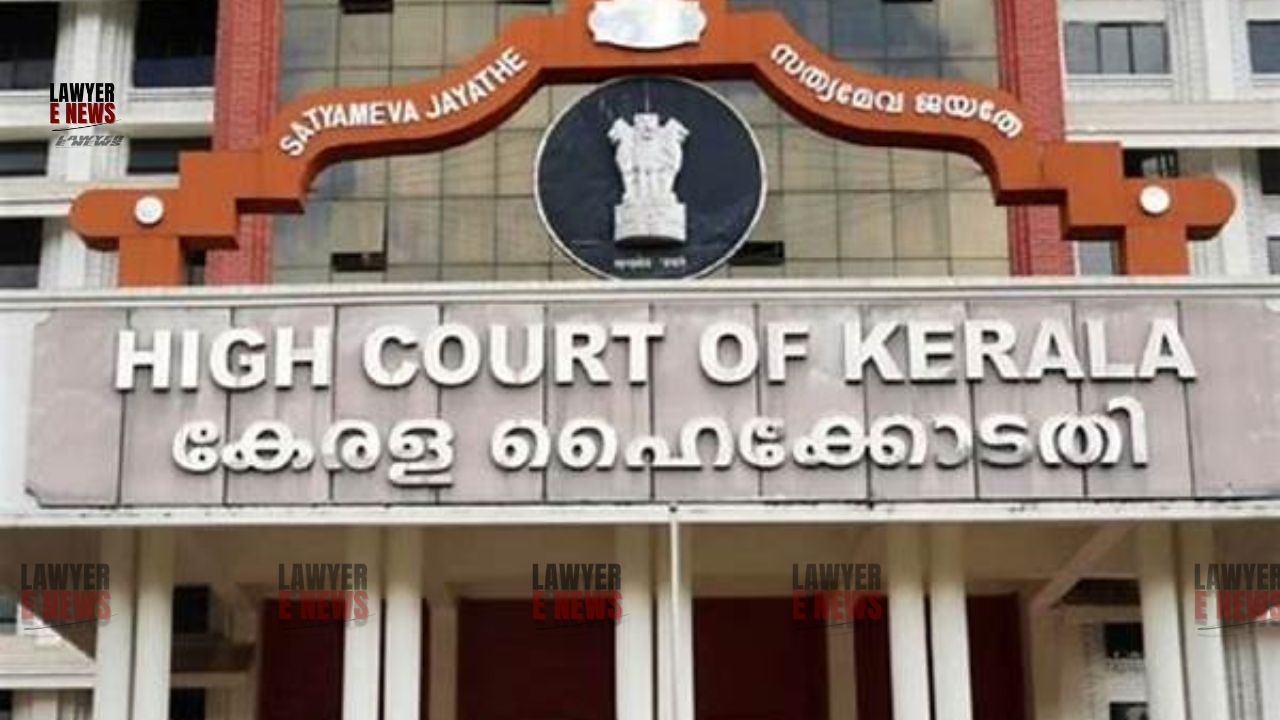
“Misappropriation completed before repayment; refund after detection doesn’t efface the offence”— Kerala High Court refused to quash a corruption case against several employees of BEVCO (Kerala State Beverages Corporation) accused of misappropriating foreign liquor worth over ₹27.92 lakhs. Justice A. Badharudeen held that repayment of the misappropriated amount, even if made before trial, cannot erase criminal liability, especially when the repayment was made only after the detection of the offence.
“When a large portion of the stock was misappropriated, it should not happen without any intentional acts of the accused who were the custodian of the stock” – observed the Court, firmly rejecting the plea that logistical lapses or delayed audits could explain the shortage.
Post-Facto Repayment Cannot Nullify Completed Criminal Offence, Especially Under Prevention of Corruption Act
The petitioners—employees at BEVCO’s Muvattupuzha FL-01 outlet—sought quashing of the final report and prosecution proceedings in CC No. 2 of 2024 pending before the Special Judge (Vigilance), Muvattupuzha. They were charged under Sections 13(1)(c) and 13(2) of the Prevention of Corruption Act, 1988, Section 13(1)(a) of the PC (Amendment) Act, 2018, and Sections 403, 409, 420 read with 34 IPC, for having allegedly misappropriated liquor stock worth ₹27,92,523 during the period 01.04.2018 to 30.07.2018.
The core argument raised by the petitioners was that they had voluntarily remitted the amount found missing from stock in accordance with a BEVCO Circular dated 20.12.2017 (Annexure D), which laid out the procedure for apportioning liability among staff in case of shortages. This, they contended, nullified any criminal liability.
But the High Court was not convinced: “Repayment of the amount without any interest… was done at a much belated stage and the accused persons enjoyed the benefits of misappropriation in between the period of misappropriation and the remittance” – held Justice Badharudeen.
Magnitude of Missing Liquor and Delayed Payment Point to Intentional Acts, Not Mere Lapses
Rejecting the defence that stock discrepancies are common in BEVCO outlets due to voluminous inventory and delayed audits, the Court observed:
“When the shortage of foreign liquor is to the tune of ₹27,92,523, a very gigantic quantity, intentional misappropriation… is foreseeable with the active participation of the accused persons.” [Para 10]
The petitioners' attempt to treat the issue as a clerical or operational error failed. The Court refused to accept that a shortage of such scale could occur innocently:
“It cannot be safely concluded that the petitioners had no intention to commit the crime.” [Para 9]
“Mere repayment of the amount… would not efface their criminal prosecution.” [Para 12]
Invalidation of BEVCO Circular Removes Shield of “Administrative Adjustment”
The BEVCO Circular dated 20.12.2017, which allowed employees to collectively repay shortages discovered during audits, was heavily relied upon by the petitioners. However, the Court noted that this very circular was invalidated by a Division Bench in W.A. No. 642/2025, thereby removing the administrative cushion the accused hoped to invoke.
The petitioners had argued that their remittance took place before the circular was invalidated, but the Court rejected this line:
“Even though the remittance was prior to the judgment, the prosecution as against the petitioners would not result in conviction”—this argument cannot be accepted in light of the law and facts. [Paraphrased from Para 4]
This, combined with the lack of voluntary repayment before detection, led the Court to reject the notion that administrative circulars could override penal consequences
Criminal Liability Under Prevention of Corruption Act Is Independent of Civil Restitution
The Court reiterated that criminal offences under the Prevention of Corruption Act and IPC are complete the moment misappropriation occurs, and that civil restitution does not undo the offence:
“The offences alleged are completed… and the prosecution of the petitioners is necessary. Therefore, the quashment cannot be considered.” [Para 5]
Citing precedents and a similar case in Crl.M.C. No. 5022/2025, the Court reinforced the principle that post-detection refunds or adjustments do not immunize public servants from prosecution under anti-corruption laws.
Quashment Rejected, Trial to Proceed
The Court concluded: “In the facts of the case involving misappropriation of huge quantity of foreign liquor, mere repayment… at a belated stage… would not efface their criminal prosecution… Quashment sought for in the instant case would not succeed.” [Para 12]
Accordingly, the petition was dismissed, and any interim stay was vacated. The Court directed the continuation of criminal proceedings before the Special Court, Muvattupuzha, reaffirming that accountability under criminal law must follow even after restitution.
Date of Decision: 24 September 2025