Section 32 Arbitration Act | Termination for Non-Payment of Fees Ends Arbitrator’s Mandate; Remedy Lies in Section 14(2): Supreme Court False Allegations of Dowry and Bigamy Amount to Mental Cruelty: Madras High Court Upholds Divorce Plaintiff Must Prove Her Own Title Before Seeking Demolition Of Defendant’s Pre-existing House: Andhra Pradesh High Court Mismatch Between Bullet and Recovered Gun Fatal to Prosecution: Calcutta High Court Acquits Man Convicted for Murder Where the Conduct of the Sole Eye-Witness Appears Unnatural and No Independent Witness Is Examined, Conviction Cannot Stand: Allahabad High Court Fraudulent Sale of Vehicle During Hire Purchase Renders Agreement Void: Gauhati High Court Upholds Decree for Refund of ₹4.90 Lakhs Unsigned Written Statement Can’t Silence a Defendant: Hyper-Technical Objections Must Yield to Substantive Justice: Delhi High Court Default Bail | No Accused, No Extension: Delhi High Court Rules Custody Extension Without Notice as Gross Illegality Under Article 21 Gratuity Can Be Withheld Post-Retirement for Proven Negligence Under Service Rules – Payment of Gratuity Act Does Not Override CDA Rules: Calcutta High Court Cognizance Is of the Offence, Not the Offender: Madras High Court Rejects Challenge to ED’s Supplementary Complaint in PMLA Case Acquittal in Rajasthan No Bar to Trial in Madhya Pradesh: MP High Court Rejects Double Jeopardy Plea in Antiquities Theft Case 20% Deposit Isn’t Automatic in Cheque Bounce Appeals: Right to Appeal Can’t Be Priced Out: Punjab & Haryana High Court Checks Mechanical Use of Section 148 NI Act A Child Is Not a Non-Earner: Punjab & Haryana High Court Sets New Benchmark in Compensation for Minors’ Deaths 90 Days Is Not Sacrosanct – Courts Can Permit Reply to Counter-Claim Even Beyond Prescribed Time in Interest of Justice: Punjab & Haryana High Court Magistrate Can Proceed Only for Offences Committed in India Until Sanction Is Obtained for Acts Outside India: Orissa High Court on International Financial Fraud Award Is Vitiated by Non-Consideration of Material Evidence: Orissa High Court Sets Aside Industrial Tribunal’s Wage Award in IMFA Case POCSO | Absence of Child's Name in Birth Certificate Not Fatal: Kerala High Court No One Has the Right to Impute Illicit Motives to Judges in the Name of Free Speech: Karnataka High Court Jails Man for Criminal Contempt DV Complaint Cannot Be Quashed at Threshold Under Article 227: Madras High Court Refuses to Interfere, Directs Accused to Seek Remedy Before Magistrate Recovery Wasn't From Accused's Exclusive Knowledge — Cylinder Already Marked in Site Plan Before Arrest: Allahabad High Court Acquits Man in Murder Case State Can’t Block SARFAESI Sale by Late Revenue Entries: Secured Creditor’s Charge Prevails Over Tax Dues: Punjab & Haryana High Court Slams Sub-Registrar’s Refusal Providing SIM Card Without Knowledge of Its Criminal Use Does Not Imply Criminal Conspiracy: P&H High Court Grants Bail in UAPA & Murder Case Importer Who Accepts Enhanced Valuation Cannot Later Contest Confiscation and Penalty for Undervaluation: Madras High Court Upholds Strict Liability under Customs Act "Allegations Are Not Proof: Madras High Court Refuses Divorce Without Substantiated Cruelty or Desertion" When FIR Is Filed After Consulting Political Leaders, the Possibility of Coloured Version Cannot Be Ruled Out: Kerala High Court Mere Allegations of Antecedents Without Conviction Can't Defeat Right to Anticipatory Bail: Kerala High Court Section 106 Of Evidence Act Cannot Be Invoked In Vacuum – Prosecution Must First Lay Foundational Facts: Karnataka High Court Acquits Wife And Co-Accused In Husband’s Murder Case Parity Cannot Be Claimed When Roles Are Different: Karnataka High Court Refuses Bail to Youth Accused of Brutal Killing Injured Wife Would Not Falsely Implicate Her Husband: Gauhati High Court Upholds Conviction in Domestic Stabbing Case Disputed Bids, Missing Evidence and No Prejudice: Delhi High Court Refuses to Intervene in Tender Challenge under Article 226 Setting Fire to House Where Only Minors Were Present is a Heinous Offence – No Quashing Merely Because Parties Settled: Calcutta High Court No Exclusive Possession Means Licence, Not Lease: Calcutta High Court Rules City Civil Court Has Jurisdiction to Evict Licensees Defendant's Own Family Attested the Sale Agreement – Yet She Called It Nominal: Andhra Pradesh High Court Upholds Specific Performance Renewal Not Automatic, No Evidence Of Notice Or Mutual Agreement: AP High Court Dismisses Indian Oil’s Appeal Against Eviction

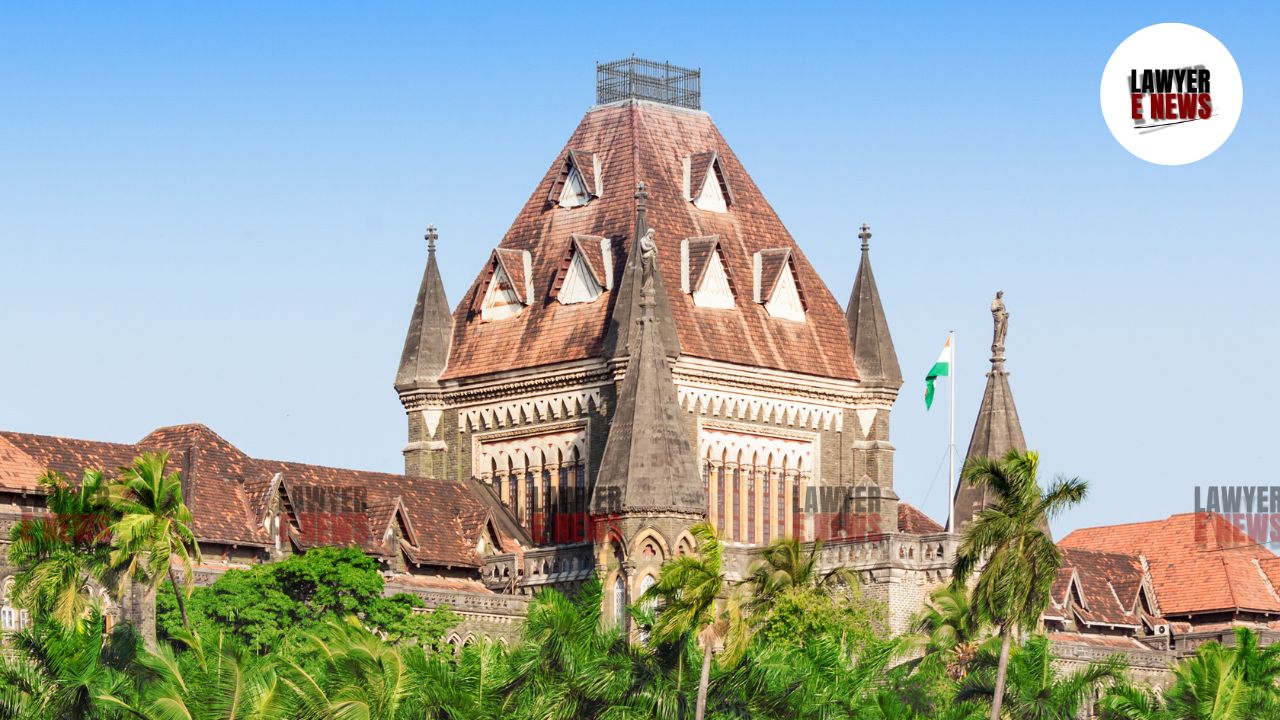
Video Conferencing Is Not a License to Dilute Courtroom Decorum: Bombay High Court Dismisses Police Officer’s Plea Against Show-Cause Over Virtual Misconduct

03 May 2025 7:09 PM

By: sayum


“Comfort of Office Does Not Mean Casual Conduct”—Bombay HC Refuses to Quash Trial Judge’s SOP Recommendation Against Police Inspector’s Insolence During Video Testimony. High Court dismissed a police officer’s plea to quash a letter issued by the Sessions Judge, Beed, to the Director General of Police recommending the framing of a Standard Operating Procedure (SOP) for video conferencing by investigating officers. The recommendation came after the officer, a Senior Police Inspector, allegedly exhibited insolent and inappropriate behaviour while deposing via mobile phone in a criminal trial.

Rejecting the officer’s defence and prayer for relief, the Division Bench of Justices Revati Mohite Dere and Dr. Neela Gokhale observed: “The comfort and convenience of his office definitely did not allow him to take the Court proceedings casually… the conduct of the Petitioner was sure to cause obstruction in the administration of justice.”

The petitioner, Bramhanand Raosaheb Naikwadi, was serving as Senior Police Inspector, Nerul Police Station, Navi Mumbai, and had appeared through video conferencing via mobile phone before the Beed Sessions Court on January 20, 2025, to give evidence in a 2014 Sessions case, in which he was the investigating officer.

The Trial Judge, displeased with the manner in which the petitioner conducted himself during the proceedings, issued a letter on January 22, 2025, to the DGP, Maharashtra, recommending the formulation of SOPs for virtual evidence to maintain courtroom decorum. The petitioner challenged this letter, calling it punitive and excessive.

He submitted that he had been on duty for a Coldplay concert held between January 18–21, 2025, a high-security international event, and was under significant stress. He explained that while giving evidence from his chamber, a constable entered without knocking and he instinctively gestured to stop him, leading to a misunderstanding. He also cited poor internet connectivity and claimed there was no deliberate impropriety on his part.

Evidence by IO Demands Respect and Discipline

The Court disagreed with the petitioner’s explanations and held that his conduct during the video testimony fell far short of expected standards, especially considering his role as the investigating officer.


The Bench noted several instances of inappropriate conduct:

  • He kept muting his microphone and was seen talking to someone else in the room.

  • He laughed when admonished by the Judge not to converse during deposition.

  • He told the Additional Public Prosecutor that “everything is written in the panchanama” rather than answering questions directly.

  • He answered a phone call, allegedly from the Commissioner of Police, during the testimony.

The Court remarked: “Recording of evidence is a crucial part of a trial. The manner in which the Petitioner conducted himself is sure to cause obstruction in the administration of justice.”

SOP Suggestion Not an Adverse Administrative Action

Addressing the key grievance—that the Trial Judge’s letter was disproportionate—the Court clarified: “The Trial Judge’s letter merely suggested the framing of SOPs to the Petitioner’s superior officer. It does not reflect any personal vendetta, nor does it constitute punitive action.”

It emphasized that video conferencing is not a relaxation of standards, and that: “Being permitted to depose from the comfort of office does not permit casual, insolent behaviour. The suggestion for SOP was warranted in light of the events.”

Dismissing the petition, the Bombay High Court held that the letter issued by the Trial Judge did not suffer from any illegality or malice. The officer is free to respond to any show-cause notice issued by his departmental superiors on its own merits, but no judicial interference was warranted in the Trial Judge’s administrative recommendation.

Justice Revati Mohite Dere concluded: “We do not find any infirmity or illegality on the part of the Trial Judge in issuing the impugned letter… putting the Petitioner on trial for such conduct may well be justified, and framing SOPs will help prevent future misconduct.”

Date of Decision: April 16, 2025

Latest Legal News