-
by sayum
28 August 2026 2:11 PM







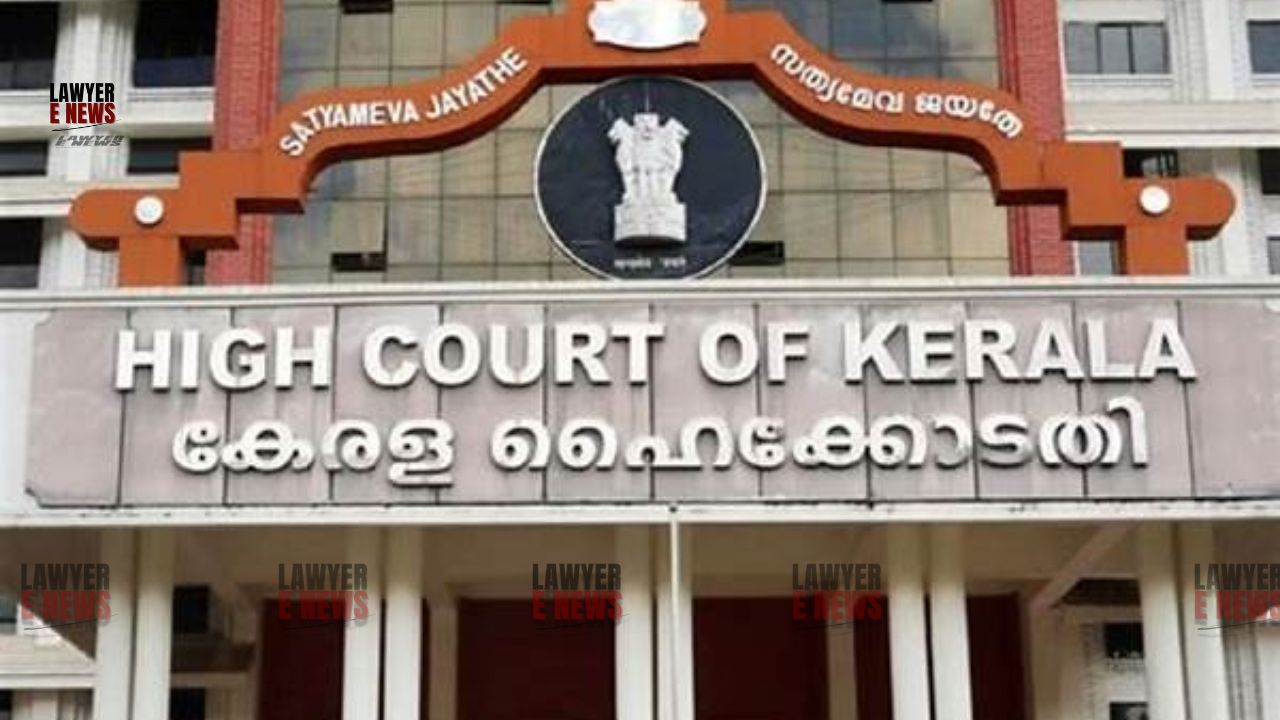
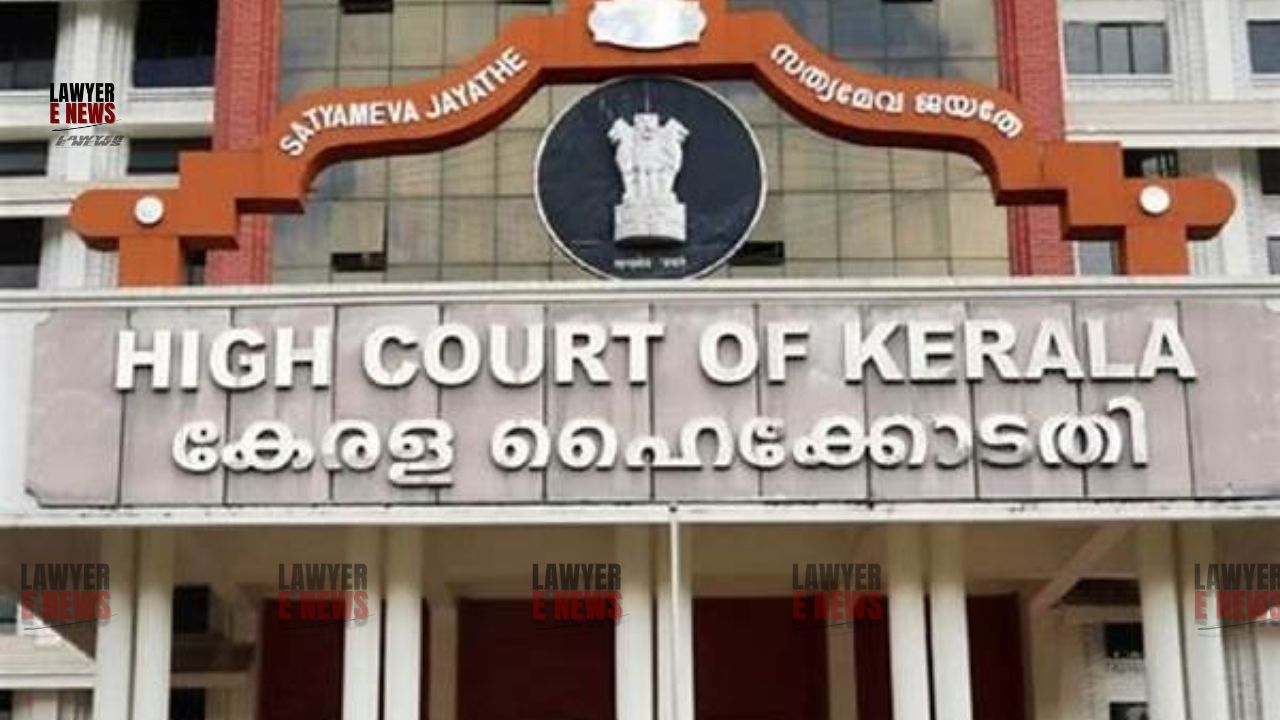
“Law Requires the Voice of the Victim, Not the Words of the Prosecutor” – In a significant pronouncement reaffirming procedural fairness in criminal trials involving vulnerable witnesses, the High Court of Kerala set aside the conviction of a man accused of raping a deaf and dumb woman. Justice Gopinath P. held that the use of the victim’s niece—who was also the first informant and a prosecution witness—as the interpreter during the recording of the victim’s statement under Section 164 CrPC, was a fatal flaw that vitiated the entire trial.
The Court observed, “A person who is a prosecution witness cannot be used to interpret the statement of the victim. This is contrary to the elementary ideas of justice.”
The judgment not only set aside the conviction and sentence of ten years under Section 376(2)(l) IPC but also laid down fresh procedural directives for dealing with disabled witnesses in Indian trial courts.
Accused Convicted of Raping a Disabled Woman – Trial Court Relied Solely on Victim’s Section 164 Statement Interpreted by Niece
The case arose from an incident dated 24 December 2019, where the appellant Manoj was accused of raping a 41-year-old deaf and dumb woman in the courtyard of a house in Poyiloor, Kannur District. The FIR was registered after the victim’s niece, PW2, noticed her sadness and allegedly learned of the assault.
The Fast Track Special Court, Mattannur, convicted Manoj under Section 376(2)(l) IPC and sentenced him to 10 years of rigorous imprisonment and a fine of ₹75,000. The conviction was largely based on the victim’s statement recorded under Section 164 CrPC, which was later treated as her examination-in-chief during trial as per Section 164(5-A)(b).
However, as the Kerala High Court found, this entire evidentiary process was flawed at the root.
Can a Prosecution Witness Interpret the Statement of a Disabled Victim?
The primary issue before the Court was sharply legal and constitutional:
Can a statement under Section 164 CrPC, recorded with the aid of a prosecution witness acting as an interpreter, form the foundation of a criminal conviction?
Justice Gopinath P. answered with clarity: “No. It is impermissible in law and violative of fair trial norms.”
The interpreter initially appointed by the magistrate could not understand the victim’s signs or gestures. In response, the magistrate turned to the victim’s niece (PW2)—the same person who lodged the FIR and would later testify in court—to “translate” the victim’s narrative. The Court found this “clearly in breach of settled law and a miscarriage of justice.”
Relying heavily on the precedents set in Alavi v. State of Kerala (1982 KLT 287) and State of Rajasthan v. Darshan Singh (2012) 5 SCC 789, the Court reiterated that “where the victim is disabled, a neutral and competent interpreter must be engaged, and any involvement of interested parties like prosecution witnesses contaminates the sanctity of the evidence.”
“The Trial Was Fundamentally Flawed and Cannot Be Salvaged”: High Court Refuses to Remand Case for Retrial
The State attempted to argue that even if PW2 was used as interpreter, the essence of the victim’s allegation remained intact. The Court was unconvinced.
“This is not a case where irregularities can be cured by remand. The root of the trial itself is poisoned. The voice of the victim cannot be replaced with the interpretation of a partisan witness.”
The Court also noted that the accused was denied an effective opportunity to cross-examine PW1, the victim, because her examination-in-chief was substituted by the flawed Section 164 statement. The inability of the interpreter to explain signs during trial further damaged the evidentiary fairness.
Medical Evidence Too Was Unconvincing: “Hymen Tear Was Old, Not Recent”
The defense submitted that the medical report (Ext. P2) did not corroborate recent sexual assault, noting that although a hymen tear was mentioned, it was old and healed.
The Court remarked that, “Though medical evidence alone cannot disprove a rape allegation, in the absence of legally admissible testimony from the victim, its weakness compounds the doubt.”
Court Issues Strong Directions on Procedure for Recording Statements of Disabled Witnesses
Recognising the gravity of the lapse and the likelihood of repetition in similar cases, the High Court issued a comprehensive procedural framework, drawing from the Bharatiya Sakshya Adhiniyam (BSA), the amended CrPC, and Supreme Court directives.
Justice Gopinath P. directed: “The magistrate or trial judge must mandatorily record satisfaction on the competence of the witness and the interpreter. The interpreter must not be an interested person, and the entire process must be videographed.”
The Court further stated:“In the case of sign language, the interpreter’s qualifications must be recorded on oath, and care must be taken that the interpreter is not someone who has participated in the investigation or prosecution.”
Fair Trial Principles Prevail Over Procedural Convenience
The judgment in Manoj v. State of Kerala is a powerful reaffirmation that fairness in the process is as important as the result, particularly when dealing with vulnerable witnesses. It underscores that procedural shortcuts, even when motivated by practical difficulties, cannot stand where constitutional rights and evidentiary integrity are compromised.
Justice Gopinath P. concluded with firm finality: “Given the procedural illegality and evidentiary infirmity, the trial is vitiated. The conviction and sentence are set aside. The accused is acquitted.”
Date of Decision: 18.08.2025